
The Impact of Workplace Organization on Employee Behavior
In our ever-evolving and bustling professional landscape, the arrangement and order of a workplace are pivotal in shaping how employees interact and perform. The intricate relationship between physical environment and human behavior is a topic steeped in psychological research and practical implications. Understanding how various elements within an office can transform the work experience offers a compelling glimpse into employee dynamics and organizational success.
Consider the following aspects of workplace organization:
- Physical Layout: The design of an office—whether it be open spaces or enclosed cubicles—can greatly influence communication and collaboration. In open-plan offices, employees often have increased opportunities for spontaneous discussions and teamwork, which can lead to innovative problem-solving. Conversely, cubicles can offer the privacy some employees need to focus on individual tasks, yet they can also foster isolation, potentially hampering collaboration.
- Clutter: A clean and organized workspace fosters focus and productivity. Research indicates that employees in tidy environments report higher levels of concentration and less anxiety. Conversely, cluttered spaces can lead to feelings of chaos and distraction, ultimately diminishing overall productivity.
- Lighting: The role of lighting in the workplace cannot be overstated. Natural light, for instance, has been shown to enhance mood and energy levels. Employees working near windows often report better sleep quality and overall well-being. In contrast, harsh fluorescent lights can contribute to eye strain and fatigue, diminishing employee motivation.
- Color Psychology: The colors chosen for workspace decor can evoke different emotions and reactions. Studies suggest that blue hues can enhance creativity, while greens may reduce anxiety. Companies like Google and Facebook utilize vibrant color schemes deliberately to inspire innovation and engagement.
Data consistently highlights that a well-organized environment not only drives efficiency but also cultivates a sense of empowerment among staff. A prime example can be seen in organizations that prioritize ergonomic furniture and flexible workspaces. These companies report lower stress levels and higher job satisfaction, suggesting that the physical workspace influences employee health and emotional well-being.
Furthermore, the emotional ramifications of environmental factors are profound, extending beyond mere aesthetics. Understanding the psychology behind workspace design enables employers to create environments that support a positive corporate culture. This, in turn, drives employee satisfaction and productivity. As businesses increasingly recognize the value of tailoring their workspaces to meet the needs of their employees, they open the door to a wealth of opportunities for growth and innovation.
In conclusion, the intersection of workplace organization and human psychology reveals not only practical strategies for leadership but also a treasure trove of insights that can redefine how we view work. As organizations continue to adapt to the needs of modern employees, exploring this dynamic relationship will undoubtedly yield substantial benefits in both morale and productivity.
LEARN MORE: Click here to discover how
The Key Elements of an Organized Workplace
To truly grasp the psychology behind workplace organization, it is essential to delve into certain core elements that significantly affect employee behavior and performance. These factors not only impact individual productivity but also shape team dynamics and the overall corporate culture. By examining these components, organizations can understand how to cultivate a conducive environment that drives success.
1. Space Utilization
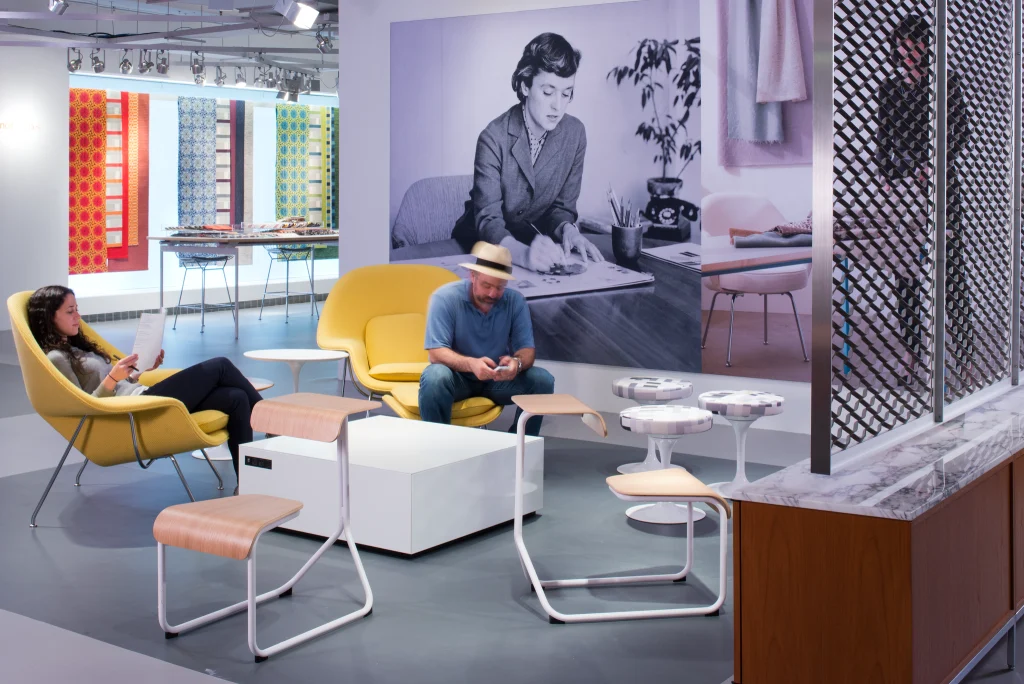
The way space is utilized in an office is a crucial aspect of workplace organization. Efficient space utilization encourages team collaboration, while also providing designated areas for focused work. Specifically, research shows that integrating communal spaces—such as lounges and meeting areas—within a predominantly private office layout can foster collaboration. This blending of environments allows employees to choose the atmosphere that best suits the task at hand.
2. Acoustic Environment
The acoustic environment of a workplace also plays a significant role in shaping behavior. Noise levels in an office can be a substantial source of distraction. According to a study by the Journal of Environmental Psychology, employees are more productive in spaces that minimize background noise. Providing soundproof areas for focused work, as well as implementing noise-canceling technology, can dramatically reduce stress levels and enhance concentration.
3. Personalization of Workspace
Allowing employees to personalize their workspace can lead to greater emotional connection with their environment. When individuals can display personal photos, artwork, or items that resonate with them, they experience a sense of ownership. This personalization contributes to increased motivation and productivity, as workers feel more comfortable and engaged in their space. Moreover, companies that encourage such practices often witness higher levels of employee retention, as the workplace becomes a reflection of individual personalities and values.
4. Technology Integration
The incorporation of technology into the workplace layout can significantly enhance communication and workflow efficiency. Companies that invest in digital tools such as collaborative software and video conferencing capabilities often find that their teams can communicate more effectively, regardless of physical barriers. Additionally, the integration of technology seamlessly into office design can simplify everyday tasks, allowing employees to focus on their core responsibilities rather than technical glitches.
5. Green Elements
Incorporating plants and other biophilic design elements into workplace environments can yield remarkable psychological benefits. Studies suggest that exposure to greenery can reduce stress levels, boost creativity, and increase productivity. The presence of plants can improve air quality and create a calm atmosphere, further contributing to employee satisfaction. Companies have begun to embrace these findings, with some even utilizing indoor gardens and living walls to enhance their workspace.
In essence, these key elements of workplace organization underscore the profound impact that the physical environment has on employee behavior and performance. As businesses increasingly recognize the integral link between employee satisfaction and productivity, the psychology of workplace organization emerges as a priority for progressive organizations looking to thrive in today’s competitive landscape.
The Impact of Environmental Design on Productivity
Workers spend a significant amount of their time in the workplace, and the design of that environment plays a crucial role in influencing their behavior and performance. A well-organized workspace can lead to improved focus, enhanced creativity, and increased job satisfaction. Studies show that environmental factors such as lighting, color schemes, and spatial arrangement can shape the psychological state of employees, ultimately affecting their productivity.For instance, natural light exposure is linked to better mood and alertness, while excessive artificial light can lead to fatigue. Furthermore, incorporating elements related to biophilic design—such as greenery and natural materials—has been found to promote a sense of well-being among employees. The introduction of open spaces encourages collaboration and communication, thus fostering a community atmosphere, which can lead to higher innovation levels.Conversely, a cluttered or poorly organized space can exacerbate stress and diminish productivity. Employees may find it difficult to concentrate in chaotic environments, as mental clutter often stems from physical disarray. The mere act of decluttering can serve as a powerful tool in enhancing overall workplace effectiveness. Thus, organizations aiming to elevate performance should prioritize thoughtful planning in their environmental designs.To encourage further exploration of this critical subject, below is a table summarizing the advantages associated with workplace organization.
| Category | Benefits |
|---|---|
| Environmental Factors | Enhanced productivity through optimized lighting and layout. |
| Well-being | Improved employee morale and reduced stress levels. |
Understanding the psychology behind workplace organization allows companies not only to enhance performance but also to cultivate a healthier, more positive work environment. This growing field offers exciting avenues for improvement and potential gains in employee satisfaction and organizational success.
DISCOVER MORE: Click here to learn about the impact of lighting and ergonomics
Creating an Emotionally Supportive Environment
Beyond physical elements, the emotional ambiance of the workplace plays a pivotal role in shaping employee behavior and performance. As companies navigate the nuances of organization, focusing on emotional support can yield substantial dividends in productivity and overall team morale. Here are several strategies that can enhance the emotional landscape of the workplace.
1. Color Psychology
The impact of color psychology in workplace design is an often-overlooked aspect of organizational effectiveness. Colors can evoke various emotions; for instance, blue is frequently associated with tranquility and focus, while green tends to inspire creativity and balance. According to a study published in the Journal of Color Psychology, incorporating hues that align with the intended work activities can create a harmonious atmosphere conducive to both individual and organizational success. Thoughtful color selection in office decor can enhance focus, motivation, and even team cohesiveness.
2. Flexible Workspaces
Flexibility in workspace design can lead to increased employee satisfaction and productivity. The concept of agile working—which allows employees to choose where and how they work—has gained traction in recent years. According to a report by the International Facility Management Association, organizations embracing agile work environments report a 30% increase in employee engagement. By providing options for collaborative spaces, quiet zones, or even remote work opportunities, companies can better cater to diverse employee needs, ultimately nurturing a more dynamic and innovative workforce.
3. Inclusivity in Design
Creating an inclusive environment that considers the needs of all employees is paramount to fostering a sense of belonging and engagement. This includes not only physical accessibility for individuals with disabilities but also designing spaces that embrace cultural diversity and facilitate collaboration among different groups. The integration of Universal Design principles can help organizations ensure that every employee feels valued and empowered. A 2020 study from the American Psychological Association found that employees in inclusive workplaces reported 14% higher levels of job satisfaction and productivity.
4. Breakout Areas and Relaxation Spaces
Providing designated breakout areas and relaxation spaces enhances employee well-being. These environments encourage employees to disconnect from their work, recharge, and foster casual interactions that lead to greater team cohesion. A research study by the University of Warwick found that companies investing in employee well-being enjoyed a 12% increase in productivity. Incorporating areas that are comfortable and inviting—complete with comfortable seating, games, or wellness activities—can be instrumental in reducing workplace stress and improving overall job performance.
5. Incorporating Wellness Initiatives
Wellness initiatives have become a vital component of workplace organization. Companies that invest in mental and physical health programs—ranging from gym memberships to stress management workshops—see tangible benefits in employee productivity. A study conducted by the CDC revealed that worksite wellness programs can lead to absenteeism reductions of up to 28%. By encouraging a culture that prioritizes wellness, organizations can help employees feel valued, supported, and capable of performing at their best.
By refining these aspects of workplace organization, companies not only enhance employee satisfaction and retention but also foster a vibrant culture of productivity and collaboration. As research continues to unveil the powerful connection between workplace organization and psychological impact, organizations that prioritize these strategies are setting themselves up for sustained success amidst the challenges of modern business.
DIVE DEEPER: Click here to discover effective strategies
Conclusion: Elevating Workplace Dynamics Through Thoughtful Organization
In exploring the intricate relationship between workplace organization and employee psychology, it becomes clear that our environments are not merely backdrops to our work—they actively shape behavior, motivation, and productivity. The profound insights drawn from studies on color psychology, workplace flexibility, inclusivity, and wellness initiatives underscore that a well-organized environment can be a powerful catalyst for enhancing performance.
Companies in the United States are increasingly recognizing the relevance of emotional support in their business strategies. As research indicates, the integration of thoughtful design elements, such as breakout areas and relaxation spaces, serves to elevate not just individual well-being but also collective morale. Investments in workplace wellness initiatives yield appreciable benefits, such as reduced absenteeism and heightened job satisfaction, reaffirming the correlation between employee health and productivity metrics.
Furthermore, inclusive design principles not only cater to diverse employee needs but also promote a sense of belonging, ultimately fostering collaboration and creativity. Organizations willing to embrace these strategies will cultivate a vibrant atmosphere where employees feel engaged, empowered, and capable of performing at their best.
Moving forward, businesses must consider the psychological implications of their organizational structures and prioritize environments that leverage these insights. By doing so, they will not only enhance operational effectiveness but also pave the way for sustained success in an increasingly competitive landscape. The time to invest in the psychology of workplace organization is now, as it represents a decisive factor in shaping the future workforce.
Related posts:
The Influence of Colors and Decoration Styles on Motivation and Focus at Work
The Importance of Lighting and Ergonomics in Workplace Organization
How the Organization of Work Space Impacts Personal Productivity
Effective Strategies for Decluttering the Office
Minimalism in the Workspace: Benefits of Reducing Clutter to Enhance Mental Clarity

Linda Carter is a writer and productivity and personal organization specialist focused on helping readers build better routines, manage their time, and stay on top of daily priorities. With experience covering practical planning methods, habit-building strategies, and tools for organization, Linda shares actionable guidance on our platform. Her goal is to empower readers with clear, realistic tips to work smarter, reduce overwhelm, and stay consistent over time.