
Challenging the Brain: How Logic Games Can Help Relieve Tension
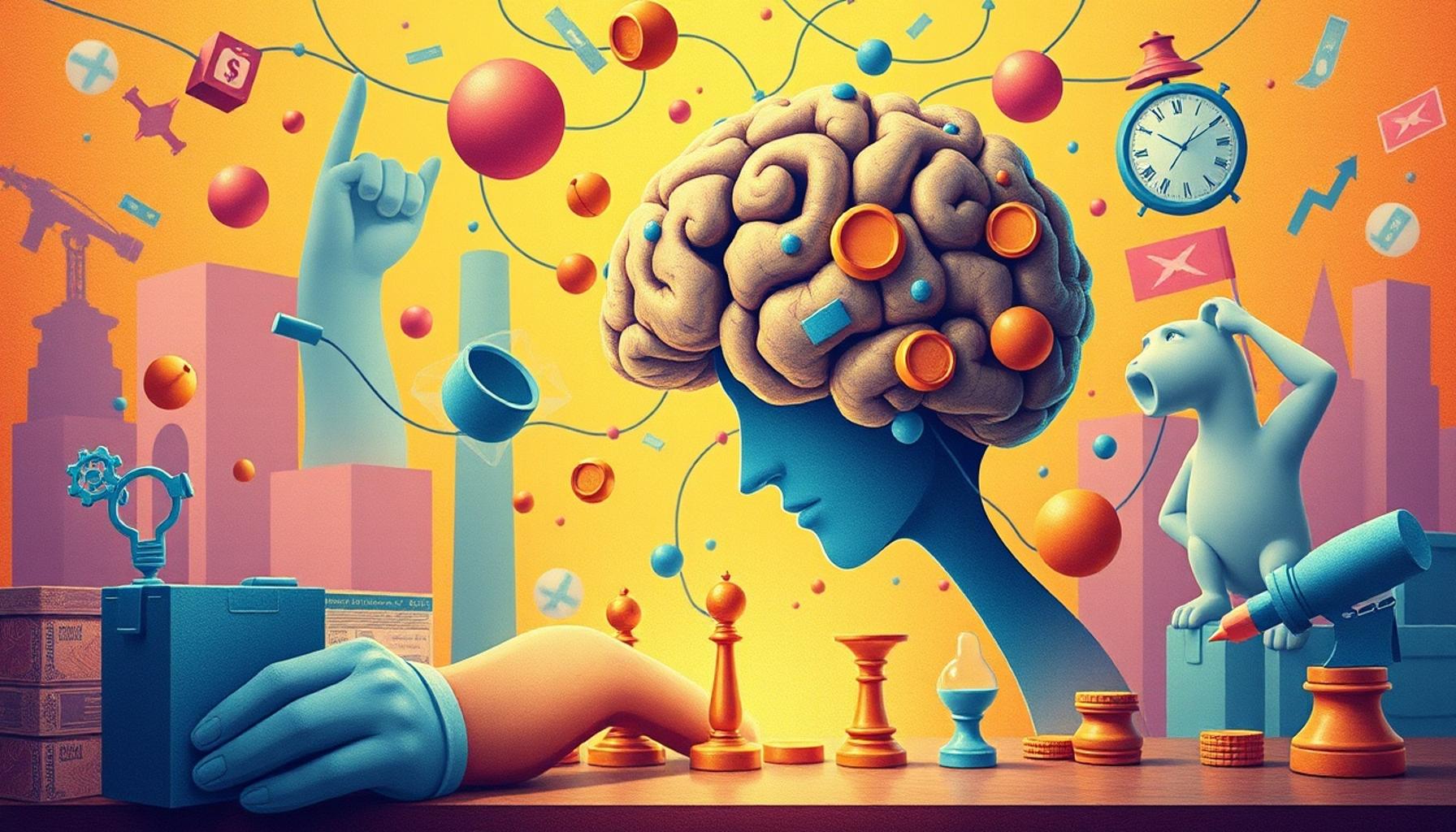
Unlocking Mental Resilience
Engaging in logic games is an effective way to cultivate mental resilience and provide an escape from daily life’s stresses. Beyond simply being entertaining diversions, these games are instrumental in fostering cognitive health and relieving tension. As players immerse themselves in various puzzles and brain teasers, they often experience a renewed sense of calm and focus – qualities that can seem rare in our fast-paced world filled with distractions.
- Improves problem-solving skills: Engaging with logic games sharpens your ability to think critically, as they prompt players to analyze situations, weigh options, and devise solutions. For instance, in games like Sudoku, individuals practice logical deduction, which translates well into real-world scenarios, including professional challenges and everyday decision-making.
- Reduces stress levels: Immersing oneself in stimulating challenges can foster relaxation. The concentration required to solve puzzles can often distract from daily anxieties and cultivate a meditative state, akin to mindfulness exercises. This is especially beneficial when dealing with the pressures of work or family responsibilities.
- Enhances memory: Many games require memorization, particularly in strategy-focused games where players need to recall their previous moves or anticipate an opponent’s strategy. For example, chess players often develop better working memory, which is crucial for school-aged children and adults alike in academic and professional settings.
In a culture dominated by fast-paced technology and incessant notifications, it’s essential to carve out time for activities that center the mind. Logic games create a mental sanctuary—an ideal blend of relaxation and cognitive exertion, making them a crucial tool in self-care routines. Research has shown that engaging in these games can contribute to long-term brain health, potentially delaying age-related cognitive decline, which is an important consideration for the aging population.
What Types of Logic Games Exist?
From intuitive digital applications to engaging traditional board games, the variety of logic games available today caters to a wide array of preferences and lifestyles. Here are a few noteworthy options:
- Sudoku: A numeric puzzle that enhances logical thinking through patterns and sequences. This game is widely popular in newspapers and online platforms, making it easily accessible for individuals looking to hone their skills.
- Crossword puzzles: These not only improve vocabulary but also challenge mental flexibility, as players must often think outside the box to fill in the grid. Many enthusiasts look forward to Sunday crossword puzzles as a mental workout to start their week.
- Chess: Known as the game of kings, chess promotes foresight and planning, teaching players to think several moves ahead. This timeless game can be played in person or online, with platforms like Chess.com offering both casual and competitive environments.
Exploring these games can reveal new avenues for relaxation while simultaneously offering a mental challenge. As players delve deeper into the world of logic games, they may discover that these stimulating exercises hold the key to achieving a more relaxed yet alert state of mind, fostering not just enjoyment, but tangible cognitive benefits that can enrich daily life.
DON’T MISS: Click here to dive deeper

The Science Behind Logic Games and Stress Relief
Logic games serve as more than just a pastime—they hold significant benefits for mental well-being, particularly in alleviating stress and anxiety. Numerous studies have highlighted the connection between cognitive engagement and emotional health, suggesting that immersing oneself in logical challenges can activate the brain’s relaxation response. This response not only mitigates feelings of tension but can also enhance overall cognitive functions.
When we engage with logic games, we often enter a state of flow—characterized by intense focus and enjoyment. This phenomenon has been thoroughly studied, revealing that when individuals are absorbed in a challenging task, such as solving a complex puzzle, their minds shift away from stressors that typically occupy their thoughts. This form of cognitive distraction allows the mind to reset and recharge, creating an effective buffer against everyday pressures.
The Psychological Benefits of Playing Logic Games
The advantages of playing logic games extend beyond mere distraction; they fundamentally alter cognitive pathways that address stress. Below are some key psychological benefits:
- Increased focus and attention: Regular engagement with logic puzzles enhances concentration levels, making it easier to filter out distractions. This heightened ability to focus can lead to improved performance in various aspects of life, be it work duties or personal projects.
- Improved mood: Completing a challenging puzzle often provides a sense of accomplishment, releasing dopamine—a neurotransmitter associated with feelings of pleasure and reward. This chemical response can uplift mood and instill a sense of well-being, helping players combat feelings of anxiety or depression.
- Enhanced executive function: Logic games require players to use various cognitive skills, such as planning, organization, and decision-making. Strengthening these executive functions contributes not only to better game performance but also to improved daily life management.
Furthermore, the digital landscape has opened new avenues for accessing logic games, allowing players to engage anytime, anywhere. Mobile applications, online platforms, and even social media integration have made it easier than ever to join communities centered around these brain teasers. Players can continuously challenge themselves while sharing experiences with others, fostering social connections that can further alleviate stress.
In summary, integrating logic games into daily routines can be a powerful strategy for enhancing mental resilience and relieving the pressures of modern life. By challenging the brain through engaging puzzles, individuals not only experience immediate stress relief but also cultivate long-term cognitive benefits, making these games an essential part of a comprehensive self-care strategy.
Enhancing Cognitive Abilities Through Logic Games
Logic games are not only enjoyable but also serve as a powerful tool for enhancing cognitive abilities. Engaging in these games allows individuals to improve critical thinking, problem-solving skills, and memory retention. By tackling complex puzzles and challenges, players activate various areas of the brain, which leads to better mental agility. Research indicates that regular engagement in logic games can lead to increased neuroplasticity, the brain’s ability to reorganize itself by forming new neural connections throughout life. This adaptability is essential for maintaining cognitive health as we age.Additionally, the immersive nature of logic games provides a unique escape from daily stressors. The process of navigating through intricate puzzles requires focused attention, thereby shifting focus away from anxiety-inducing thoughts. When individuals solve problems, they experience a sense of accomplishment, leading to the release of dopamine, a neurotransmitter associated with pleasure and reward. This positive reinforcement not only boosts mood but also reinforces the habit of turning to logic games during moments of tension, making them an effective stress relief tool.Furthermore, logic games often involve elements of strategy and planning which can enhance decision-making skills. Players must think several steps ahead, evaluating potential outcomes and weighing consequences before finalizing their moves. This foresight translates to real-life scenarios, equipping players with the skills needed for critical decision-making under pressure. As such, incorporating logic games into one’s routine can foster resilience and adaptability, key attributes in managing stress and enhancing overall well-being. Engage further with these fascinating aspects of logic games by exploring different game types and their specific benefits tailored to your cognitive needs. Discover how integrating these games into your daily life can transform not only your mental capabilities but also how you handle tension and stress.
DISCOVER MORE: Click here to dive deeper
The Role of Logic Games in Building Resilience
While the immediate benefits of logic games for stress relief are well documented, their role in building long-term cognitive resilience is equally valuable. Engaging with these types of mental challenges not only helps players in the short run, but it also cultivates essential skills that can be applied to stressful situations in real life.
One of the most significant ways that logic games foster resilience is through the development of problem-solving skills. By regularly tackling puzzles that require deduction, analysis, and critical thinking, players enhance their ability to approach challenges methodically. Research suggests that individuals who practice such reasoning tend to become more adept at evaluating complex situations and formulating effective strategies, both in personal and professional environments.
Logic Games as a Tool for Mindfulness
In addition to cognitive strategy enhancement, logic games promote mindfulness—a key element in stress management. Players often experience a meditative state while engrossed in a puzzle, which can significantly lower anxiety levels. The act of concentrating intensely on a game helps shut out intrusive thoughts that might contribute to stress.
For example, puzzle enthusiasts often report that the rhythmic nature of games like Sudoku or crosswords allows them to immerse in a world of numbers or words, further detaching them from the pressures of daily life. Studies indicate that those who practice mindfulness find it easier to manage their emotions, leading to a more balanced approach to life’s inevitable obstacles.
Community Engagement and Social Benefits
Moreover, the social dimensions of playing logic games cannot be overlooked. Many people find enjoyment in participating in group challenges or competing against friends. Sharing experiences, whether through friendly competition or collaborative problem-solving, creates a sense of community that can alleviate feelings of isolation and loneliness—common contributors to stress. Participating in forums, joining local clubs, or engaging with online platforms can foster relationships with others who share a similar passion for cognitive challenges.
The popularity of logic games and their associated communities is evident in contemporary American culture. Board games have made a resurgence, with genres focusing on strategic thinking gaining traction. The annual gathering of fans at game conventions, such as Gen Con or PAX Unplugged, further demonstrates how engaged communities can contribute to a sense of belonging and shared joy.
- Building Relationships: Friends and family who enjoy logic games can use them as a bonding activity, strengthening their interpersonal connections.
- Accessibility: With numerous options available both offline and online, anyone can find a suitable logic game, catering to a wide range of interests and cognitive levels.
- Cross-disciplinary Learning: Many logic games incorporate elements from mathematics, linguistics, and strategy, encouraging players to enhance their knowledge in various domains.
Thus, as logic games evolve and adapt to today’s tech-savvy world, they remain a versatile tool not only for entertainment but also for fostering necessary skills that underpin resilience against stress. Whether through individual play or community engagement, the advantages of these games extend into myriad aspects of life, making them a remarkable tool for both mental exercise and relaxation.
DISCOVER MORE: Click here to learn about the benefits of collaborative puzzles
Conclusion: Unlocking the Power of Logic Games
In conclusion, the integration of logic games into our daily routines offers a multifaceted approach to stress relief and cognitive enhancement. By engaging with these mental challenges, players not only experience immediate relaxation but also build invaluable skills that foster long-term resilience. As demonstrated, the ability to navigate complex puzzles strengthens problem-solving capabilities while encouraging a mindful state that helps diminish anxiety.
Furthermore, the community aspect surrounding logic games cannot be understated; it fosters social connections that provide emotional support and a sense of belonging. As game nights or online challenges become increasingly popular, individuals discover that shared experiences can significantly mitigate feelings of isolation, which often accompany modern-day stressors.
Moreover, the accessibility of various logic games ensures that there is something for everyone, catering to diverse interests and cognitive levels. Whether one prefers a solitary session of Sudoku or a spirited game of chess with friends, there are countless opportunities to challenge the brain while enjoying a moment of respite.
Ultimately, logic games serve as a gateway to not only tapping into our cognitive potential but also enriching our daily lives. As we navigate an ever-evolving world filled with pressures, making time for these engaging puzzles may prove essential in our quest for mental clarity and emotional balance. Embrace the challenge, and unlock the potential of your mind through logic games.
Related posts:
How three-dimensional puzzles can stimulate the mind and reduce emotional pressure
Mindfulness through reasoning games: techniques to relieve stress
How strategy games can encourage emotional resilience and combat stress
How Memory Games Can Reduce Stress and Improve Concentration
The effectiveness of puzzles in promoting mental relaxation
The influence of card games in promoting relaxation and stress relief moments

Linda Carter is a writer and puzzle expert specializing in mind games, brain teasers, and cognitive challenges. With extensive experience helping individuals enhance their problem-solving skills and think critically, Linda shares her knowledge on our platform. Her goal is to empower readers with practical advice, engaging puzzles, and strategies to sharpen their minds and achieve success in the captivating world of mind games and puzzles.