
How Interactive Puzzles Enhance Collaboration and Group Problem-Solving

Unlocking Team Potential Through Interactive Puzzles
In today’s fast-paced world, the need for effective collaboration and group problem-solving is more crucial than ever. Organizations are constantly seeking innovative ways to foster teamwork and enhance communication among their members. One compelling solution lies in the world of interactive puzzles.
These engaging activities not only entertain but also promote essential skills that can transform groups into cohesive units. The benefits of incorporating interactive puzzles into team settings extend beyond mere enjoyment; they are pivotal in improving various aspects of teamwork. Some key advantages include:
- Boosts Creativity: Interactive puzzles encourage participants to think outside the box and develop novel solutions. For instance, a team tasked with solving a complex riddle may find that brainstorming unconventional ideas leads to the successful resolution of the problem at hand. This creative engagement can spill over into their regular work, empowering them to approach challenges with a fresh perspective.
- Increases Engagement: The captivating nature of puzzles captures the attention of team members, inspiring active participation. Employees who might normally disengage in traditional team-building exercises often find themselves energized and involved when working together on an interactive puzzle. This level of engagement can be heightened through competition, where teams race against the clock to complete tasks.
- Enhances Communication: Successful puzzle-solving requires collaboration and the sharing of ideas, which naturally improves interpersonal interactions among team members. Through this process, individuals learn how to articulate their thoughts clearly and listen actively, fostering a culture of open communication.
Furthermore, various formats of interactive puzzles can be utilized, making them adaptable for different group sizes and dynamics. Here are a few popular options:
- Escape Rooms: These immersive experiences challenge teams to solve clues and overcome obstacles within a set time limit. Often themed, escape rooms allow participants to dive into a storyline, creating a sense of urgency and purpose. Companies like Escape the Room have seen a rise in popularity, providing a unique opportunity for teams to bond.
- Online Collaborative Puzzles: In an increasingly digital world, virtual puzzles offer a way for remote teams to connect. Platforms like Puzzle Game Online allow players to team up and tackle challenges from their own locations, bridging geographical gaps while promoting teamwork.
- Board Games: Timeless classics, board games like Codenames or Pandemic can offer a structured environment for teamwork and problem-solving. They not only provide fun but also engage participants in friendly competition and strategy development, reinforcing collaboration.
By leveraging the power of interactive puzzles, organizations can not only enhance teamwork but also cultivate a problem-solving culture. These activities are more than just recreational endeavors; they are essential tools for collaboration that promote creativity, engagement, and communication. With the increasing complexity of challenges faced in modern workplaces, creating opportunities for teams to connect through interactive puzzles is a step forward in harnessing their collective potential.
DIVE DEEPER: Click here to discover more
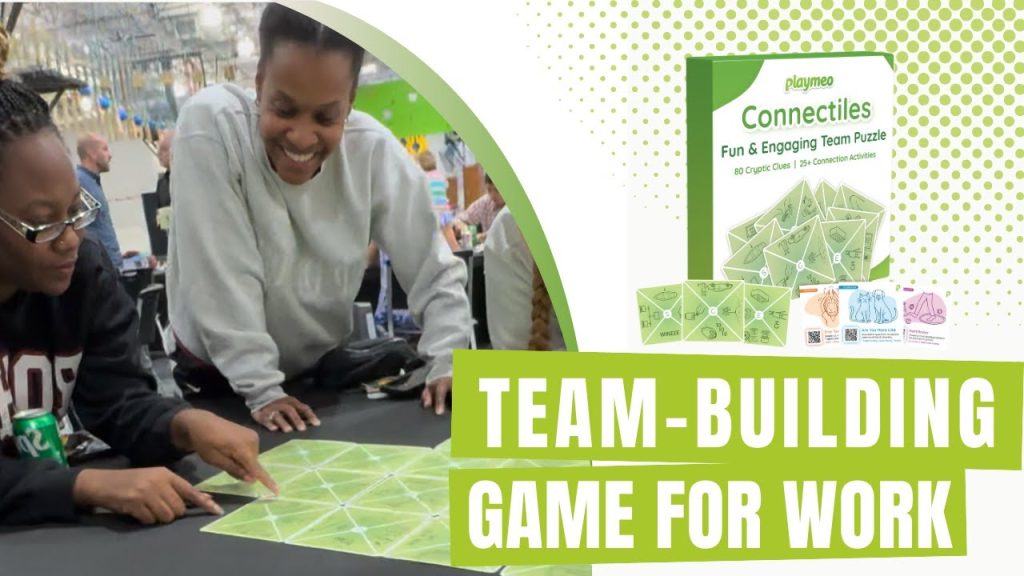
The Mechanics of Cooperative Problem-Solving through Puzzles
Interactive puzzles cultivate an environment ripe for collaboration, offering teams the chance to engage in strategic thinking and collective brainstorming. At their core, these puzzles bring individuals together, challenging them to share insights and leverage their unique strengths. The process not only aids in solving specific problems but also builds rapport among team members, an essential element for any high-functioning group.
One of the key features of interactive puzzles is their ability to require diverse skill sets. Consider a scenario in which a team is faced with a complex puzzle that demands analytical thinking and creative problem-solving. Such scenarios force employees to rely on each other’s expertise—some may excel in logical reasoning while others shine in creative ideation. This blend of talents fosters an atmosphere where members learn to appreciate one another’s contributions and develop trust, critical components for effective collaboration.
Moreover, interactive puzzles enhance group dynamics by putting team members’ roles into perspective. In many cases, puzzles create natural leaders and contributors, revealing strengths that may go unnoticed in day-to-day work. This awareness of each other’s skills can lead to improved performance when teams return to their usual tasks. The implications are profound: strengthening team identity and encouraging shared accountability among members.
- Problem-Solving Skills: Engaging in interactive puzzles presents opportunities to encounter challenges that require systematic exploration and experimentation. This iterative process teaches individuals how to approach complex problems methodically, which is applicable in real-world situations.
- Time Management: Time constraints within many puzzles foster an understanding of prioritizing tasks. Groups must learn to manage their time wisely to avoid penalties, learning essential skills in task delegation and urgency.
- Feedback Loops: Puzzles often incorporate trial-and-error mechanics, allowing team members to receive immediate feedback on their contributions. This instant gratification or constructive criticism enables rapid improvement and adaptation, key traits for any successful team.
From a psychological perspective, the enjoyment that comes from solving interactive puzzles also plays a role in enhancing collaboration. According to research published in the Journal of Personality and Social Psychology, engaging in enjoyable group activities can lead to increased levels of positive emotion, which enhances overall team synergy. These enjoyable experiences can help alleviate workplace stress, promoting not only productivity but also overall job satisfaction among staff.
In essence, interactive puzzles serve as a mirror reflecting individual strengths while simultaneously crafting a team-oriented approach to problem-solving. In the long run, organizations that prioritize these engagements are better equipped to handle the complexities of modern challenges, fostering a culture of innovation driven by collaboration.
How Interactive Puzzles Enhance Collaboration and Group Problem-Solving
Interactive puzzles are more than just engaging activities; they serve as powerful tools for enhancing collaboration and improving group problem-solving skills. By creating a shared challenge, these puzzles encourage team members to work together in a dynamic and interactive environment. The experience fosters communication, builds trust, and nurtures a sense of belonging within a group.One significant advantage of interactive puzzles is their ability to stimulate analytical thinking. Participants are compelled to assess various tactics and consider diverse viewpoints, contributing to a richer decision-making process. For instance, when placed in scenarios that require group participation to solve intricate puzzles, individuals must articulate their thoughts and listen to others, enhancing both verbal and non-verbal communication skills.Moreover, the competitive element of puzzles often ignites enthusiasm among team members, motivating them to collaborate more effectively. As groups navigate through complex tasks, they strategize and distribute roles based on individual strengths, making the collaboration more efficient and purpose-driven. This synergy not only improves problem-solving abilities but also accelerates the teams’ responses to challenges in real-world scenarios.Another notable feature of interactive puzzles is their adaptability. They can be tailored to suit varying group sizes and demographics, making them versatile for use in various contexts, from corporate team-building exercises to educational environments. The flexibility of these tools means they can be designed to emphasize specific skills such as time management, critical thinking, or creativity, catering to the unique needs of each group.Through hands-on experiences with interactive puzzles, participants come to value each other’s insights and contributions, ultimately fostering a culture of collaboration. Emphasizing collective achievement over individual success promotes long-lasting relationships that transcend the activity, leading to better cooperation in future projects.To illustrate these points, we present a table highlighting key advantages and benefits derived from using interactive puzzles in group settings.
| Category | Benefits |
|---|---|
| Enhanced Communication | Puzzles encourage team members to express their ideas and listen actively to others. |
| Problem-Solving Skills | Collaborative efforts to solve puzzles sharpen critical thinking and analytical skills. |
DIVE DEEPER: Click here to discover more
Building Effective Communication through Puzzles
In the landscape of teamwork, communication acts as the lifeline of collaboration, and interactive puzzles serve as an effective vehicle for enhancing these essential skills. When team members are engaged in solving a puzzle, they are compelled to articulate their thoughts clearly and concisely, facilitating a flow of information that is critical for achieving their objectives. This conversational dynamic nurtures an environment where ideas can flourish, ultimately leading to innovative solutions.
Encouraging a culture of open dialogue, interactive puzzles prompt members to express their perspectives, actively listen to others, and refine their thoughts based on group feedback. For example, consider a team working on a virtual escape room challenge. To succeed, participants need to share clues, speculate on possible outcomes, and, at times, ask for assistance. Such discussions not only develop problem-solving strategies but also foster interpersonal relationships that can improve collaboration in other professional settings.
Moreover, enhanced communication skills translate into improved conflict resolution. During puzzle-solving, differing opinions and strategies may lead to disagreements. However, it is how teams manage these conflicts that determines their cooperation level. Engaging with interactive puzzles teaches group members to navigate obstacles collaboratively, sharpening their ability to negotiate and compromise. This skill proves invaluable in high-stress work environments, where conflict is often inevitable.
- Active Listening: Puzzles allow individuals to practice listening not just for understanding but also for collaboration, as they must often absorb multiple viewpoints to devise a solution.
- Feedback Mechanisms: Regularly providing and receiving feedback while engaging in puzzles equips teams with the confidence to offer constructive suggestions, thereby enhancing group cohesion.
- Non-verbal Communication: Non-verbal cues, such as gestures and expressions, become key tools for conveying insights during puzzle-solving, further enriching the communication process.
Furthermore, the psychological benefits of playing interactive puzzles extend beyond mere enjoyment; they cultivate a sense of shared purpose among participants. According to studies conducted by the American Psychological Association, collaborative activities can lead to increased happiness and connectivity among team members. This shared joy fosters a supportive work environment that encourages members to be more engaged and invested in one another’s success.
Interactive puzzles also facilitate long-term relationships among team members, promoting a sense of belonging and shared experience. As participants solve challenges together, they create memories that bind them closer, reinforcing a culture of collaboration. This ongoing camaraderie can significantly reduce employee turnover rates and enhance productivity, as individuals who feel connected are more likely to contribute positively to their organization.
In summary, interactive puzzles offer a unique blend of skills development, enhanced communication, and emotional bonding. Organizations that leverage these engaging activities can see improvements not just in teamwork but also in employee satisfaction and overall productivity, paving the way for a collaborative workplace culture that’s resilient and innovative.
DON’T MISS OUT: Click here to discover how memory games can benefit you
Conclusion: The Transformative Power of Interactive Puzzles
As we explore the multifaceted role of interactive puzzles in enhancing collaboration and group problem-solving, it becomes clear that their value extends far beyond mere entertainment. These engaging activities foster the development of critical skills such as effective communication, conflict resolution, and active listening. By placing individuals in collaborative environments where they must work together to overcome challenges, interactive puzzles cultivate a culture of trust and mutual respect.
Moreover, the use of interactive puzzles as a team-building tool offers organizations a unique opportunity to boost not only employee morale but also productivity. They create an avenue for building lasting relationships among team members, enhancing the sense of belonging and encouraging a shared purpose. In an era where remote work is becoming the norm, these puzzles can bridge geographical gaps, allowing teams to connect meaningfully, regardless of physical location.
Organizations keen on improving collaboration should consider integrating interactive puzzles into team routines. Whether through physical puzzles at the office, online escape rooms, or mobile puzzle applications, these activities provide platforms for brainstorming, negotiation, and creative thinking. As companies prioritize innovation and problem-solving, embracing the transformative power of interactive puzzles may very well be the key to unlocking a more cohesive and engaged workforce.
In conclusion, leveraging the benefits of interactive puzzles offers an exciting pathway towards creating resilient teams capable of navigating complex challenges. By investing in these collaborative experiences, organizations not only enhance their problem-solving capabilities but also build a vibrant workplace culture that values communication and connection.
Related posts:
How Video Games Foster Resilience and the Ability to Resolve Complex Dilemmas
The Influence of Adventure Games on the Improvement of Analysis and Problem-Solving Skills
Challenges of Reasoning: How Board Games Stimulate Problem-Solving Skills in Adults
The Impact of Logic Games on Quick and Efficient Decision Making
The Role of Word Games in Improving Problem-Solving Skills
How Simulation Games Help in Problem Solving in Work Environments

Linda Carter is a writer and puzzle expert specializing in mind games, brain teasers, and cognitive challenges. With extensive experience helping individuals enhance their problem-solving skills and think critically, Linda shares her knowledge on our platform. Her goal is to empower readers with practical advice, engaging puzzles, and strategies to sharpen their minds and achieve success in the captivating world of mind games and puzzles.