
Impact of stress on sleep: strategies to manage anxiety and promote restorative rest
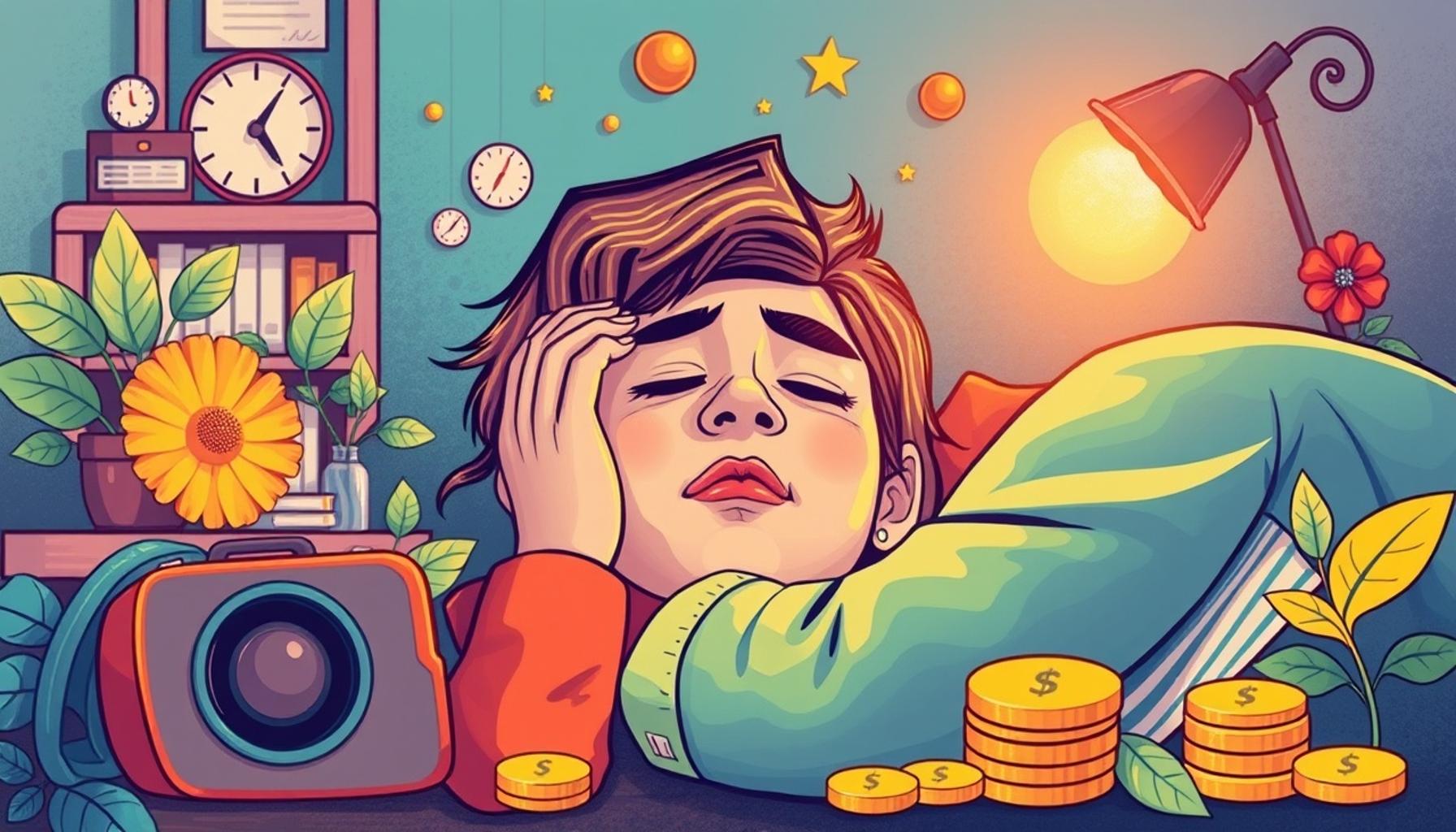
The Impact of Stress on Sleep Quality
In the hustle and bustle of modern life, stress has ingrained itself into the daily routine of countless individuals. This persistent state of heightened anxiety can severely impinge on our ability to achieve restful sleep. Recognizing and understanding the intricate relationship between stress and sleep is vital to preserving both mental and physical health.
The nuances of how stress affects our sleep can be attributed to several factors that can each independently disrupt our ability to drift into a peaceful slumber. For instance, racing thoughts often plague the minds of stressed individuals, causing an overwhelming mental chatter that interferes with the natural process of falling asleep. Many find themselves replaying the day’s events or worrying about tomorrow, leading to a scenario where they lay awake, consumed by their thoughts.
Moreover, stress tends to manifest physically, resulting in physical tension throughout the body. Tensed muscles may lead to discomfort, making it difficult to relax. The shoulders might feel tight, and the jaw could be clenched, signaling the body’s response to stress. This physical discomfort can hinder one’s ability to find a comfortable position conducive to sleep.
Additionally, emotional turmoil, driven by external pressures or internal struggles, plays a substantial role in disrupting sleep patterns. Feelings of worry, fear, and indecision can throw the body’s natural sleep cycle into disarray, demonstrating how emotional health is closely intertwined with sleep quality.
Research underscores that insufficient restorative sleep can amplify feelings of anxiety, creating a detrimental cycle. The consequences of poor sleep quality are far-reaching and often include:
- Impaired cognitive function: Sleep deprivation can result in difficulty with concentration, memory retention, and decision-making, crucial skills in both personal and professional realms.
- Increased irritability: Individuals may find themselves reacting more emotionally to everyday stressors, leading to challenges in maintaining relationships or fulfilling responsibilities.
- Health risks: A lack of quality sleep has been linked to an increased risk of chronic conditions such as obesity, diabetes, and heart disease, making it essential to prioritize sleep as a component of overall well-being.
Fortunately, there are several effective strategies available that can help manage anxiety and promote restorative sleep. Practices such as mindfulness meditation have gained traction for their ability to ground individuals in the present moment, effectively reducing racing thoughts. Engaging in regular exercise serves dual purposes: reducing stress and prompting the body to naturally unwind more when it is time to sleep.
Moreover, cultivating sleep hygiene — a series of habits conducive to promoting sleep — is beneficial. This includes establishing a consistent sleep schedule, creating a restful environment, and limiting screen time before bed to mitigate the impact of blue light on the melatonin production.
In this exploration, we will delve deeper into these strategies, illuminating how individuals can reclaim their sleep amidst the chaos of daily life and embrace the rejuvenation that comes from restorative rest.
DISCOVER: Click here to find the perfect exercise for you
Understanding Stress-Induced Sleep Disruption
As the demands of daily life intensify, the repercussions of stress permeate various facets of health, particularly sleep quality. Understanding the mechanisms through which stress disrupts sleep can empower individuals to take preventive measures. One of the core components in this complex interplay is the hypothalamic-pituitary-adrenal (HPA) axis, which governs the body’s response to stress. When faced with stress, the HPA axis triggers the release of stress hormones like cortisol, which can oscillate circadian rhythms and impede the natural sleep cycle. This hormonal fluctuation manifests in symptoms of insomnia and decreased sleep quality.
Furthermore, stress fosters an environment where sleep anxiety flourishes. The anticipation of sleepless nights can become a self-fulfilling prophecy, compounding the very issues it aims to resolve. For many, the clock becomes a source of stress — watching the minutes tick by can exacerbate feelings of panic and inadequacy. This cycle highlights the necessity of addressing both emotional responses and physiological adjustments.
The Role of Lifestyle Factors
Several lifestyle factors can exacerbate the impact of stress on sleep. Daily habits that may seem benign often transform into agents of disruption. These include:
- Caffeine Consumption: Caffeine is a stimulant that can remain active in the body for hours. Excessive intake, especially late in the day, can lead to delayed sleep onset, making it crucial to monitor consumption during afternoon and evening hours.
- Alcohol Use: While alcohol may initially induce relaxation, it can lead to fragmented sleep patterns and decreased overall sleep quality. Understanding the paradox of alcohol’s impact on sleep is essential for stress management.
- Screen Time Before Bed: The blue light emitted from screens can suppress the release of melatonin, the hormone responsible for regulating sleep. Limiting exposure in the hours leading up to bedtime can significantly enhance the ability to fall and stay asleep.
Engaging in a reflective examination of these lifestyle factors provides valuable insights into personal habits that may be contributing to sleeplessness due to stress. By making small adjustments, individuals can cultivate healthier environments for sleep, breaking the cycle of stress and enhancing their overall well-being.
Creating a Calming Sleep Environment
Beyond lifestyle modifications, creating a tranquil sleep environment is pivotal for combating stress-related sleep issues. This involves establishing a sleep sanctuary that promotes relaxation. Simple changes, such as optimizing bedroom darkness, maintaining a cool temperature, and investing in comfortable bedding, can foster a calming atmosphere. Additionally, the transition from day to night can be harmonized through the incorporation of relaxing rituals. Activities such as reading, practicing gentle yoga, or listening to soothing music can help signal to the body that it is time to unwind.
Through a comprehensive understanding of the multifaceted impacts of stress on sleep, individuals can begin to identify tailored strategies that will aid in managing anxiety and facilitating restorative rest. In the subsequent sections of this article, we will further explore these strategies to empower readers on their journey towards achieving sound sleep amidst the chaos of a fast-paced world.
Understanding the Connection Between Stress and Sleep
Stress can have a profound impact on sleep quality and duration, leading to a cycle where poor sleep exacerbates stress levels. When the body is under stress, it releases hormones like cortisol and adrenaline, which prepare the body for a “fight or flight” response, ultimately resulting in increased heart rate and heightened alertness. This biological response can significantly hinder one’s ability to relax and fall asleep, making it crucial to address the underlying causes of stress.Moreover, stress often leads to rumination—continuously thinking about issues or worries—which can keep individuals awake at night. Acknowledging this connection is vital for everyone struggling with sleep disturbances. By managing stress effectively, individuals can pave the way towards more restful nights.
Proven Strategies for Managing Stress to Enhance Sleep
Implementing effective strategies to manage anxiety can facilitate better sleep patterns. Regular physical activity, such as walking or yoga, has been shown to reduce symptoms of anxiety and promote better sleep. Establishing a consistent bedtime routine can signal to the body that it’s time to wind down, aiding in the transition to sleep.Moreover, mindfulness practices, such as meditation or deep breathing exercises, can help individuals to detach from stressors. These techniques not only help in alleviating anxiety but also foster a relaxed state conducive to restorative rest.As you explore ways to mitigate stress-related sleep disturbances, consider incorporating a variety of strategies into your daily routine to achieve maximum benefits. Making small, sustainable changes can lead to significant improvements in both mental health and sleep quality.
Further Reading and Resources
For those interested in delving deeper into the science of stress and sleep, research articles and online resources provide invaluable information. Exploring self-help books focusing on stress management can offer personalized approaches and coping strategies.By understanding the relationship between stress and sleep and effectively applying these strategies, individuals can achieve a healthier, more restorative sleep cycle. Remember, the journey to better sleep begins with addressing and managing the stress in your life head-on.
DISCOVER MORE: Click here to unwind with effective relaxation tips
Effective Techniques to Manage Stress and Improve Sleep
As the correlation between stress and sleep disruption becomes increasingly evident, implementing effective techniques to manage stress could be the key to achieving restorative rest. Various strategies can foster emotional resilience and alleviate anxiety, leading to improved sleep quality.
Mindfulness and Relaxation Techniques
One of the most recommended approaches to combatting stress is the practice of mindfulness. Techniques such as meditation and deep breathing exercises have shown significant promise in reducing anxiety and enhancing sleep. For instance, studies indicate that mindfulness meditation can decrease cortisol levels, helping to mitigate the body’s stress response. Setting aside just 10 to 20 minutes daily for meditation or guided imagery can create a mental oasis, providing much-needed relief from daily pressures.
Additionally, progressive muscle relaxation (PMR) is a method where individuals systematically tense and relax muscle groups, leading to an overall state of relaxation. This technique not only alleviates physical tension but also calms the mind, positioning participants for a more peaceful night’s sleep.
Physical Activity’s Positive Impact
Engaging in regular physical activity is another potent strategy to combat stress and improve sleep. Exercise enhances mood by releasing endorphins, which serve as natural mood lifters. Notably, a survey by the National Sleep Foundation found that individuals participating in regular physical activity reported improved sleep quality and less daytime sleepiness.
A brisk walk, cycling, or even yoga can provide the dual benefits of stress reduction and sleep enhancement. However, timing is essential; exercising too close to bedtime can elevate heart rates and disrupt sleep patterns, so aim for afternoon or early evening workouts when possible.
Cognitive Behavioral Therapy for Insomnia
For those struggling with persistent sleep issues linked to stress, Cognitive Behavioral Therapy for Insomnia (CBT-I) is an effective intervention. CBT-I focuses on identifying and altering negative thought patterns and behaviors surrounding sleep. This structured approach teaches individuals positive sleep habits and reframes the emotional responses related to sleep anxiety. Research indicates that CBT-I can lead to longer sleep duration and enhanced sleep satisfaction, making it a valuable resource for anyone grappling with stress-induced sleep disorders.
Establishing a Structured Sleep Routine
A consistent sleep routine can pave the way for improved sleep quality, especially for those experiencing stress. Going to bed and waking up at the same time every day can regulate the body’s internal clock, promoting a smoother transition into restful sleep. Incorporating a relaxing pre-sleep routine that signals the brain that it is time to wind down—such as dimming the lights, reducing noise, and engaging in calming activities—can set the stage for a better night’s rest.
Seeking Social Support
Lastly, it’s important not to overlook the value of social support in managing stress. Sharing worries with friends or family can lighten the emotional load and provide reassurance. Engaging in social activities or hobbies can yield distraction from stressors, ultimately leading to improved sleep. Participating in support groups or online communities may also connect individuals experiencing similar stressors, reinforcing that they are not alone in their struggles.
By exploring and implementing these varied strategies for managing stress, individuals can take significant strides toward reclaiming restorative sleep amidst the challenges posed by modern living. As individuals embark on this journey towards better sleep, it is crucial to discover the methods that resonate most personally and provide long-term relief from stress-induced sleep disturbances.
DIVE DEEPER: Click here to learn more about mindful eating</
Conclusion: Embracing Change for Better Sleep
The intricate relationship between stress and sleep quality is a pressing concern for many individuals in today’s fast-paced world. As we have explored, stress not only disrupts restful sleep but also exacerbates anxiety, creating a cycle that can be difficult to break. However, the good news is that there are well-researched strategies to manage anxiety and enhance sleep quality. From mindfulness techniques and physical activity to structured sleep routines and social support, each of these approaches offers valuable tools to rebuild a healthier relationship with sleep.
Moreover, the significance of programs like Cognitive Behavioral Therapy for Insomnia (CBT-I) cannot be overlooked, as they empower individuals to understand and transform their thoughts around sleep. By acknowledging the impact of stress on sleep and actively taking steps to mitigate its effects, individuals can reclaim their nights and, in turn, their overall well-being.
Ultimately, the path to restorative rest requires patience, experimentation, and an understanding that solutions may vary from person to person. As you navigate this journey, remember that self-care is not just a luxury but a necessity for achieving optimal health. Encourage yourself to explore various strategies, adapt them to fit your lifestyle, and most importantly, allow yourself the grace to try again. In this quest for better sleep, the reward is not just improved rest but a richer, more fulfilling life. So take the first step today towards managing stress effectively and embracing the restorative power of sleep.
Related posts:
The influence of natural light on sleep hygiene: how sun exposure can regulate your sleep cycle
The relationship between physical exercise and sleep quality: how daily activity can influence your ...
The influence of ambient temperature on sleep hygiene: how the ideal climate can improve your nights...
Foods and drinks that affect sleep quality: how to make healthy choices
Nutrition and Sleep: Foods That Promote a Good Night's Sleep
The role of physical activity in sleep hygiene: how regular exercise can improve the quality of rest

Beatriz Johnson is a seasoned puzzle enthusiast and writer with a passion for unraveling the complexities of mind games and brain teasers. With over a decade of experience in the world of puzzles, she specializes in topics like logic games, riddles, and strategic challenges. Through her work, Beatriz empowers readers to sharpen their problem-solving skills, think creatively, and stay engaged in the ever-evolving landscape of mind games and puzzles.