
Developing Problem-Solving Skills Through Augmented Reality Games

Understanding the Role of AR in Problem-Solving Skills
In recent years, the integration of technology into education and leisure has transformed how we develop crucial life skills. Key among these are problem-solving skills, which enable individuals to analyze situations, identify challenges, and devise solutions. Thanks to the advent of augmented reality (AR) games, both children and adults can engage in dynamic learning experiences that make the process of problem-solving not only effective but also enjoyable.
Exploring Popular AR Games
Titles such as Pokémon GO, Harry Potter: Wizards Unite, and Ingress are at the forefront of this exciting trend. These games go beyond just entertainment; they immerse players in a digital universe that overlays their real-world surroundings. For example, Pokémon GO encourages players to venture outside and explore their communities to catch Pokémon. This requires quick decision-making skills and the ability to assess the environment for potential challenges, such as nearby players or wild Pokémon.
Harry Potter: Wizards Unite takes a similar approach by allowing players to engage with the magical world by uncovering various artifacts and battling dark wizards in real-world locations. This not only fosters strategic thinking but also promotes collaboration as players often team up to tackle more difficult tasks. The integration of competition and teamwork enhances the learning experience while making it a social activity.
The Benefits of Problem-Solving through AR
Participating in AR games offers several key features that contribute to developing strong problem-solving abilities:
- Interactive challenges that require analytical thinking: Players must evaluate situations to determine the best actions to take, whether that means tracking down a rare creature or strategizing to outsmart opponents.
- Collaboration with others to achieve common goals: Many AR games emphasize community engagement, allowing players to work together to solve puzzles, share resources, and win battles. This social aspect draws out skills such as communication and teamwork.
- Real-time feedback that helps refine strategies: Players receive immediate results from their decisions, which can be valuable learning moments, leading them to adjust their approaches in future scenarios.
Impact on Cognitive Skills Development
Research suggests that engaging with AR games can result in improved cognitive skills, particularly among younger audiences. An article published in the journal Computers in Human Behavior found that children who participated in AR gaming showcased heightened skills in critical thinking and problem-solving compared to their peers who did not. Moreover, as players are frequently introduced to new challenges and tasks, they develop a flexible mindset, adapting their strategies to overcome obstacles they may encounter.
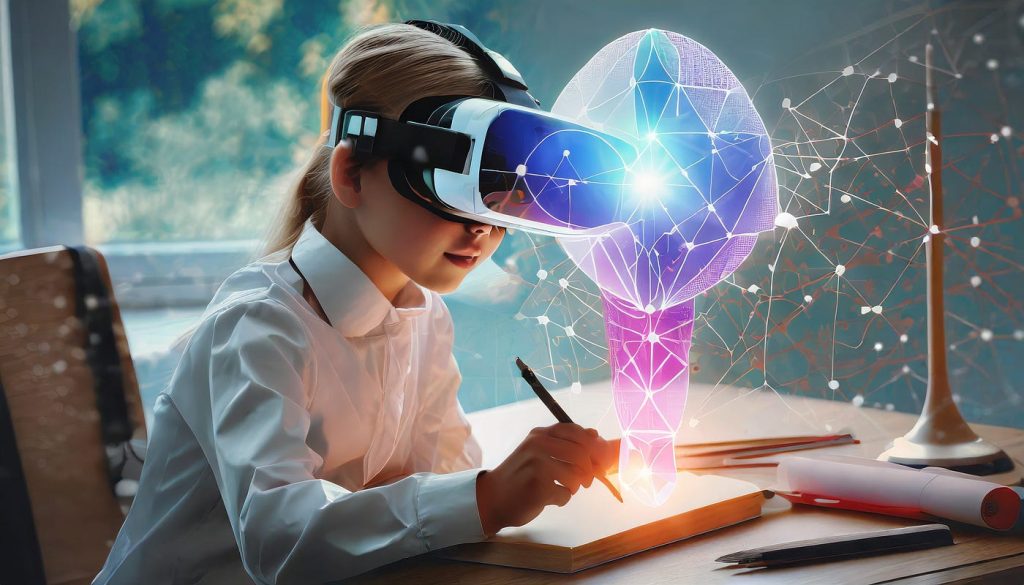
In conclusion, AR games present a unique opportunity not only for entertainment but also for empowering individuals with essential problem-solving skills. As technology continues to evolve, it is likely that this approach will become even more pervasive, paving the way for innovative learning experiences that captivate the imagination and foster intellectual growth.
DIVE DEEPER: Click here to learn more
Engaging Players through Interactive Learning
Augmented reality games not only entertain but also provide a rich platform for skill development, particularly in enhancing problem-solving abilities. By placing players in environments where they must navigate real-world settings filled with digital overlays, these games stimulate critical thought and imaginative thinking. Players are challenged to think outside the box, analyze complex scenarios, and devise innovative solutions—all while enjoying an immersive experience that traditional gaming simply cannot offer.
Active Learning Environments
With traditional educational practices often leaning on passive learning, where students absorb information without much interaction, augmented reality games break this mold. They create active learning environments where players tackle real-time challenges that require immediate action. For instance, augmented reality puzzle games ask players to interact with their surroundings in ways that will lead them to clues or tools needed to succeed. This immediate engagement encourages players to not only think critically but also implement their thoughts practically.
Skills Fostered Through Gameplay
The unique structure of AR games cultivates a wide array of problem-solving skills. Below are some key skills enhanced through gameplay:
- Critical Thinking: Players analyze various factors, such as location, resources, and potential risks. This evaluation fosters enhanced decision-making processes.
- Adaptability: In the unpredictable world of AR games, players learn to adjust their strategies based on new information, teaching them the importance of flexibility in problem-solving.
- Strategic Planning: Many AR games require long-term strategies to achieve certain objectives, encouraging players to think several steps ahead.
- Resource Management: Players must learn how to efficiently utilize their resources, whether in the form of items, time, or team collaboration, reinforcing the importance of maximizing available options.
Moreover, AR games engage different types of problem-solving, from logical reasoning to creative thinking. For example, players in Ingress must rely on logical patterns and spatial awareness to capture virtual locations effectively, while also using creative methods to collaborate and strategize with other players in the field. As diverse challenges arise, players become adept at employing various approaches, which is an invaluable life skill.
The Social Aspect of Problem-Solving
One of the most striking features of AR games is their ability to connect players in cooperative play, forming a sense of community around problem-solving endeavors. Games such as Harry Potter: Wizards Unite encourage players to team up for challenges, reinforcing teamwork and communication skills. This societal interaction not only enhances the gaming experience but also translates those skills into real-life scenarios, where collaboration is often key to effective problem-solving.
As we delve deeper into the ways AR games promote problem-solving skills, it becomes evident that they are shaping the future of learning and development. By blending entertainment with educational opportunities, these games are paving the way for innovative approaches to tackling issues, making learning both effective and enjoyable.
| Category | Description |
|---|---|
| Engagement | Augmented reality (AR) games enhance user engagement, providing immersive experiences that challenge players to think critically. |
| Creativity | These games often require players to employ creative solutions to navigate obstacles and complete challenges, fostering inventive thinking. |
| Real-World Application | AR games simulate real-life scenarios that enhance players’ problem-solving skills, making learning genuinely applicable. |
| Collaborative Learning | Players often work in teams to solve puzzles, promoting collaboration and enhancing inter-personal skills. |
Incorporating augmented reality into gameplay creates a unique blend of enjoyment and education. The captivating graphics and interactive features encourage players to immerse themselves in problem-solving activities, allowing them to test various strategies. This hands-on approach not only solidifies learning but also maintains motivation and interest in overcoming challenges.While engaging with immersive narratives, players learn how to assess situations, identify potential problems, and devise effective solutions through trial and error. This iterative process closely mirrors real-life problem solving, equipping them with valuable skills for future scenarios.Moreover, AR games are designed to be inclusive, ensuring that players of all backgrounds and skill levels can participate, thereby enhancing community involvement and friendship. As they navigate these interactive landscapes, individuals can develop a deeper understanding of team dynamics and the importance of pooling resources to tackle complex situations. Engaging with augmented reality on this level fosters not just entertainment but also essential critical thinking and problem-solving skills, paving the way for significant personal and academic growth.
LEARN MORE: Click here to discover the benefits of board games on social connections
Cognitive Development and Emotional Intelligence
In addition to fostering tangible problem-solving skills, augmented reality games (AR) also promote cognitive development and emotional intelligence. The immersive environments of these games require players to engage not only their analytical abilities but also their emotional responses, making the learning experience holistic. This dual approach is particularly effective for younger players, teaching them to navigate both intellectual challenges and emotional landscapes.
Enhancing Cognitive Flexibility
AR games require players to exercise cognitive flexibility, the ability to switch between thinking about different concepts or to think about multiple concepts simultaneously. For example, in games like Pokémon GO, players must constantly adapt their strategies based on environmental factors such as weather, location, and other players’ actions, demanding a mental agility that directly translates to improved problem-solving capabilities. Cognitive flexibility empowers individuals to approach problems from multiple angles, making them more adept at finding efficient solutions.
Emotional Resilience and Problem Solving
Moreover, the unpredictable nature of AR games, filled with unexpected challenges, teaches players to build emotional resilience. As gamers face setbacks, they learn to manage their frustrations and emotions, turning obstacles into learning experiences. For instance, in a game where a player must solve a complex mystery within a time limit, the pressure may initially lead to anxiety. However, overcoming that anxiety—often through trial and error—fosters a problem-solving mindset under duress. Such experiences translate to real-world scenarios, where stress management is crucial in resolving issues effectively.
The Importance of Data-Driven Decision Making
Another aspect of problem-solving that AR games enhance is the ability to make data-driven decisions. As players embark on quests or challenges, they often have access to a plethora of information—from player statistics to environmental data. Analyzing and interpreting this data to make informed decisions is a key component of many AR games. For example, in games like Zombies, Run!, players collect resources and manage their ‘base’ by assessing various statistics and making strategic choices, emphasizing the importance of data literacy in problem-solving.
Real-Life Applications of Skills Gained
The skills cultivated through AR games extend far beyond the gaming environment and have profound implications for real-world applications. Employers increasingly seek individuals who possess strong problem-solving abilities, adaptability, and emotional intelligence. The younger generation, influenced by their gaming experiences, is entering the workforce equipped with skills that resonate deeply with what is recognized in various industries, such as marketing, IT, and customer service. For instance, teamwork and communication enhanced through cooperative gameplay push players to navigate workplace dynamics comfortably, preparing them for collaborative projects.
As augmented reality games continue to evolve and integrate more layers of complexity, they serve as a dynamic training ground for developing not only problem-solving skills but also a comprehensive emotional toolkit. This unique blend sets the stage for players to thrive in both academic pursuits and professional environments, making AR a powerful tool in contemporary education and beyond.
DISCOVER MORE: Click here to dive into the world of puzzles
Conclusion
In conclusion, augmented reality games stand at the forefront of an innovative approach to skill development, particularly in the realm of problem-solving. By immersing players in interactive environments that require critical thinking, emotional resilience, and adaptability, these games provide a unique platform for learning that extends beyond traditional educational methodologies. From enhancing cognitive flexibility to fostering a deep understanding of data-driven decision making, the benefits are far-reaching and relevant to various real-world scenarios.
The ability to adapt and respond to changing circumstances, a hallmark of effective problem-solving, is intricately woven into the fabric of AR gameplay. Players not only hone their analytical skills but also cultivate essential emotional intelligence, preparing them for the challenges they will encounter in their academic and professional lives. This dual development diminishes the often rigid dichotomy between cognitive and emotional learning, showcasing the effectiveness of immersive experiences in bridging that gap.
As augmented reality technology continues to advance, it brings with it the potential to revolutionize the way we approach education and training. Embracing these tools could very well lead to a new generation equipped not only with enhanced problem-solving abilities but also with the skills necessary to navigate the complexities of modern society. The call to action for educators, parents, and employers is clear: recognizing and harnessing the power of AR games can be a pivotal step in preparing our youth to thrive in a rapidly evolving world.
Related posts:
The Psychology Behind Logic Games: How Problem Solving Increases Creativity
The Use of Mathematical Puzzles to Stimulate Critical Thinking in Children
Challenges of Reasoning: How Board Games Stimulate Problem-Solving Skills in Adults
How Interactive Puzzles Enhance Collaboration and Group Problem-Solving
The Influence of Adventure Games on the Improvement of Analysis and Problem-Solving Skills
The Impact of Logic Games on Quick and Efficient Decision Making

Linda Carter is a writer and puzzle expert specializing in mind games, brain teasers, and cognitive challenges. With extensive experience helping individuals enhance their problem-solving skills and think critically, Linda shares her knowledge on our platform. Her goal is to empower readers with practical advice, engaging puzzles, and strategies to sharpen their minds and achieve success in the captivating world of mind games and puzzles.