
The Role of Natural Light in Sleep Hygiene: How Sun Exposure During the Day Can Improve Your Night’s Rest
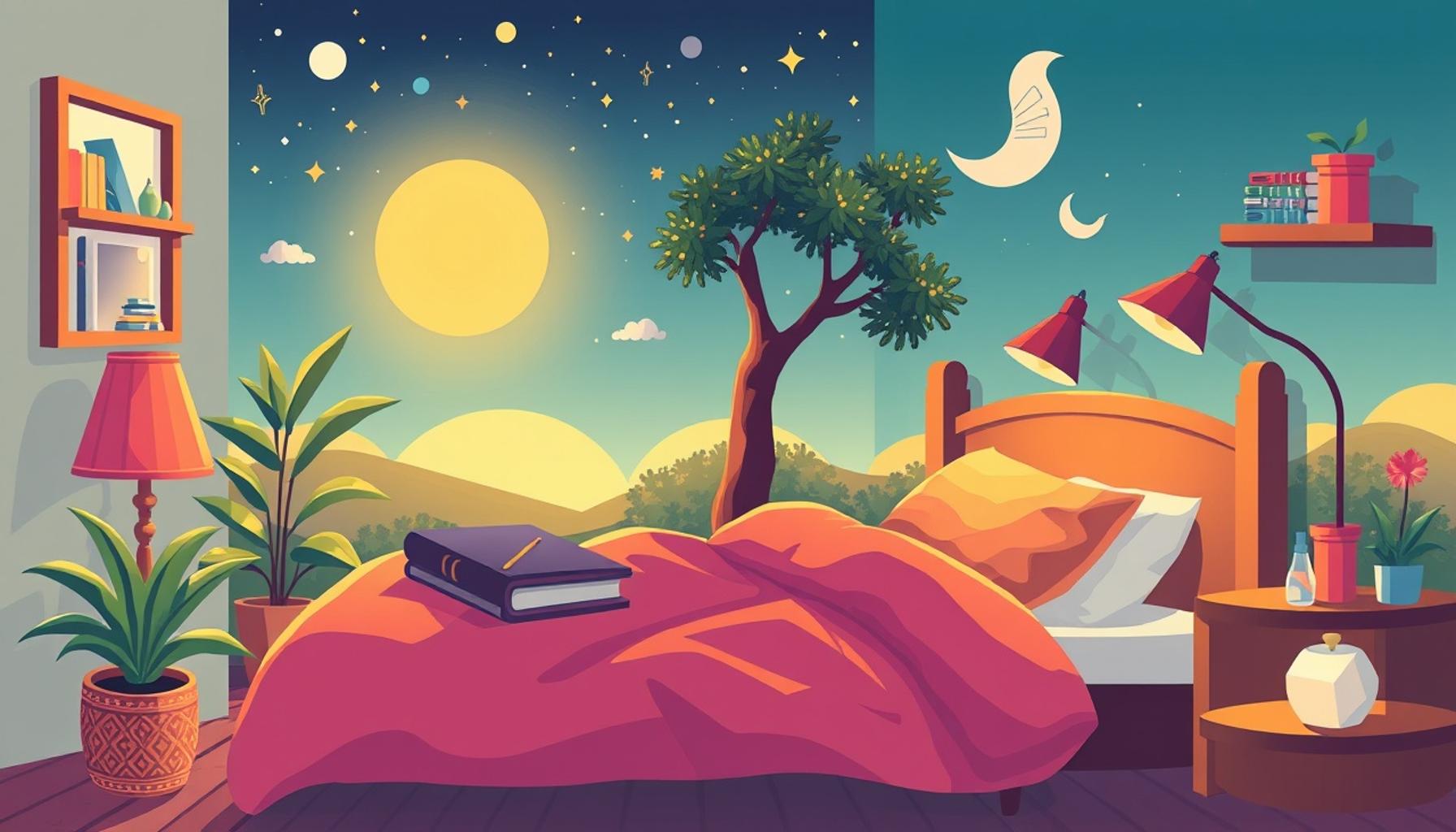
The Impact of Natural Light on Sleep Quality
Did you know that the amount of natural light you receive during the day can significantly affect your sleep quality at night? Research shows that exposure to sunlight plays a crucial role in regulating our circadian rhythms, which are essential for a good night’s rest. Our bodies are designed to respond to the natural light-dark cycle, and disruption to this rhythm can lead to various sleep problems. In a world increasingly dominated by artificial light and technology, understanding the importance of sunlight is more relevant than ever.
One of the primary ways sunlight influences sleep hygiene is through its effect on melatonin production. The hormone melatonin is naturally produced by the body during the evening as darkness falls, signaling the body that it is time to prepare for sleep. However, daylight exposure helps optimize this melatonin production by suppressing it during daylight hours. According to research from the National Institutes of Health, it’s recommended to get at least 30 minutes of sunlight exposure in the morning to kickstart this process effectively.
Furthermore, natural light can have a positive impact on your mood. It boosts serotonin levels, a neurotransmitter that contributes to feelings of well-being and happiness. Higher serotonin levels can lead to reduced anxiety levels and overall improved emotional health, both of which contribute to enhanced sleep quality. For example, individuals who spend more time outdoors, particularly in a well-lit environment, report feeling less stressed and experience fewer sleep disturbances.
- Regulates Melatonin Production: Daylight exposure helps optimize the production of melatonin, the hormone responsible for sleep.
- Enhances Mood: Natural light can boost serotonin levels, leading to improved mood and reduced anxiety, both of which promote better sleep.
- Sets the Body’s Internal Clock: Consistent sun exposure during the day helps align your body’s internal clock, aiding in consistent sleep times.
Moreover, the consistent exposure to sunlight helps set your body’s internal clock, also known as the circadian rhythm. This alignment supports more regular sleep patterns, making it easier to fall asleep and wake up at the desired times. This means that by ensuring you get sufficient sunlight exposure during the day, you can establish a routine that supports a better sleep schedule.
In the United States, where many people are confined to offices and homes filled with artificial light, the phenomenon of light pollution can disrupt these natural processes. According to the Environmental Protection Agency, nearly 90% of Americans have difficulty getting quality sleep, largely driven by less exposure to natural light. By cultivating a habit of prioritizing outdoor activities, such as morning walks or exercises in sunlight, individuals may improve their sleep hygiene significantly.
In conclusion, understanding the benefits of sun exposure and its relationship to sleep quality should encourage individuals to reevaluate their daily routines. Whether it’s incorporating more outdoor time into your day or simply opening your curtains to let in more natural light, these small changes can have a profound impact on your nightly rest. Get ready to discover the enlightening connection between your daytime behavior and your nighttime sleep quality!
LEARN MORE: Click here to discover how your diet affects your sleep quality
Understanding Circadian Rhythms and Sunlight
To grasp the profound impact of natural light on sleep hygiene, it’s essential to understand the concept of circadian rhythms. This internal clock operates on a roughly 24-hour cycle, influencing various biological processes, including sleep-wake patterns, hormone release, and even body temperature. Natural light serves as a critical cue for this intricate system, helping to synchronize our internal clocks with the external environment.
The relationship between exposure to sunlight and the regulation of circadian rhythms is supported by compelling scientific evidence. A study published in the journal Sleep Health reveals that people who receive ample sunlight during the day have more stable sleep patterns and experience fewer instances of insomnia. This is because natural light exposure, particularly in the morning, triggers a cascade of physiological responses that enhance alertness and mood while setting the groundwork for restful sleep at night.
Considering this, it becomes clear that the absence of natural light can lead to confusion in our internal clocks. For instance, those who spend long hours in artificial, dimly lit environments, such as offices, may find themselves struggling to fall asleep when the time comes. Conversely, incorporating time outdoors into one’s daily routine can illuminate those patterns, literally and figuratively, leading to better sleep.
- Morning Sunlight: Exposure to sunlight shortly after waking helps signal to the brain that it’s time to be alert, facilitating a healthy transition from sleep to wakefulness.
- Evening Darkness: Limiting exposure to blue light emitted by screens in the evening supports melatonin production, echoing the natural decrease of light when the sun sets.
- Outdoor Activities: Engaging in outdoor activities not only enriches natural light exposure but also promotes physical exercise, which itself is a known enhancer of sleep quality.
The inclination towards a sedentary lifestyle bolstered by technology demands a reevaluation of our habits. As a nation heavily influenced by screens, whether it’s work from home setups or endless scrolling on social media, many Americans miss out on valuable sunshine. A concerted effort to step outside for lunch breaks or take brisk walks in the morning can do wonders for resetting the internal clock. Moreover, studies indicate that people who engage in outdoor activities report better sleep quality than those who remain indoors.
As we delve deeper into the effects of sun exposure on sleep quality, it is crucial to make incremental changes in our daily lives to ensure we embrace the benefits that nature offers. Whether it’s adjusting your schedule to allow for a few minutes of morning sunlight or prioritizing outdoor leisure activities, these adjustments can frame an enlightening approach to achieving better sleep hygiene. Understanding and maximizing the role of natural light is not just about enjoying sunny days; it’s about unlocking healthier sleep patterns.
The Importance of Sunlight for Circadian Rhythms
Natural light plays a pivotal role in regulating our circadian rhythms, the internal biological clock that dictates our sleep-wake cycles. Exposure to sunlight during the day promotes the production of serotonin, a neurotransmitter essential for mood stabilization and enhancing alertness. This exposure not only helps to align our circadian rhythms but also signals to our body when it is time to be awake and when it is time to prepare for sleep. The correlation between daylight exposure and sleep quality is undeniable; individuals who obtain adequate sunlight exposure often report improved mood and enhanced sleep patterns.
Daylight Exposure and Melatonin Production
Sunlight also directly impacts the production of melatonin, the hormone responsible for regulating sleep. During daylight, the retina perceives light, which suppresses melatonin production, promoting alertness. As evening approaches and light diminishes, melatonin levels rise, signaling our body that it’s time to wind down. Healthy sun exposure during the day can help ensure the right balance of melatonin production at night, thereby preventing sleep disruptions and enhancing overall sleep hygiene.
Benefits of Natural Light on Sleep Quality
People who embrace natural light exposure tend to experience deeper and more restorative sleep. Studies have shown that even short periods of sunlight can enhance time spent in deep sleep, which is critical for cognitive functions and emotional regulation. Furthermore, integrating light exposure into daily routines—like taking short, regular breaks outside during the workday—can lead to a noticeable difference in sleep quality over time.
| Category 1 | Category 2 |
|---|---|
| Circadian Rhythms | Regulated by natural light exposure, leading to better sleep |
| Melatonin Production | Sun exposure enhances natural melatonin levels for improved nocturnal rest |
Understanding the connection between sun exposure and sleep hygiene opens avenues for individuals to improve their overall well-being. Embracing natural light not only influences moods but also enhances sleep quality significantly, presenting a simple yet effective strategy for those seeking better rest after a long day.
DISCOVER MORE: Click here to learn how outdoor exercise can boost your mood
The Benefits of Sun Exposure on Sleep Quality
Beyond regulating circadian rhythms, natural light plays a vital role in the enhancement of sleep quality through its influence on hormone regulation and mood stabilization. One of the most significant hormones affected by light exposure is melatonin, often referred to as the sleep hormone. During daylight hours, the presence of sunlight suppresses melatonin production, promoting wakefulness and alertness. However, as daylight diminishes and darkness sets in, melatonin levels rise, ushering the body into a state of readiness for sleep.
A study published in the journal Environmental Health Perspectives reveals that individuals who are exposed to more natural light during the day tend to have higher levels of melatonin at night, resulting in improved sleep quality. This aligns with the broader concept of light therapy, which uses controlled exposure to natural or artificial light to treat conditions like seasonal affective disorder (SAD) and sleep disorders. By understanding the connection between light, melatonin, and overall sleep hygiene, individuals can take proactive steps to enhance their nightly rest.
Physical activity, often boosted by sunlight exposure, also plays a crucial role in sleep hygiene. Research indicates that regular physical activity facilitates faster sleep onset, enhances sleep duration, and contributes to overall sleep satisfaction. Many people experience vibrant energy and mood elevation during sunny days, compelling them to engage in outdoor activities. This natural inclination not only encourages movement but also fosters social interactions, both of which have been shown to contribute to positive sleep outcomes. Prioritizing time spent outdoors can help create a virtuous cycle of more exposure to natural light, increased physical activity, and better sleep.
The Impact of Seasonal Variation
Seasonal variations in sunlight availability can have profound effects on sleep patterns. For instance, during the summer months, extended daylight hours can promote more outdoor activities, leading to enhanced sleep quality. In contrast, the shorter days of winter can disrupt this balance, with many individuals suffering from reduced exposure to sunlight. This shift can lead to symptoms of sleep disorders and decreased overall well-being.
Coping with seasonal changes requires intentional adjustments. Utilizing sunlight enhancement techniques, such as utilizing window treatments that maximize natural light during the day and ensuring adequate bright light exposure through activities like morning walks or outdoor lunches, can counteract the negative impacts of reduced sunlight exposure in winter months. This proactive approach ensures that the body maintains its natural rhythms, regardless of seasonal challenges.
Addressing Light Pollution
While natural sunlight is beneficial, it’s equally essential to address light pollution, which can severely disrupt sleep hygiene. The prevalence of artificial lighting, especially in urban environments, has led to a phenomenon known as “blue light exposure,” primarily from screens, which can inhibit melatonin production and adversely affect sleep quality. Limiting blue light exposure in the evening is crucial for good sleep hygiene. Simple alterations like wearing blue light-blocking glasses and implementing screen-free periods before bedtime can help mitigate these detrimental effects.
Emphasizing the importance of natural light in our daily lives opens up avenues to not only improve sleep hygiene but also enhance overall well-being. Understanding the significance of when and how we expose ourselves to sunlight can empower individuals to take charge of their health, leading to more restful nights and energetic days.
DISCOVER MORE: Click here to learn about the benefits of a consistent sleep routine
The Science Behind Sunlight and Sleep
Understanding the relationship between natural light and sleep hygiene is crucial for optimizing our overall well-being. Sunlight plays a pivotal role in regulating our body’s internal clock or circadian rhythm, which directly influences our sleep-wake cycles. Exposure to sunlight during the day increases melatonin production at night, a hormone that encourages sleepiness. When we fail to get enough natural light exposure, especially in the morning, we risk disrupting this delicate balance, potentially leading to insomnia or other sleep disorders.
The connection between sunlight and mood should also not be overlooked. Research has demonstrated that natural light boosts serotonin levels in the brain, a neurotransmitter that helps regulate mood and fosters a sense of well-being. During the darker months, such as winter, many individuals experience Seasonal Affective Disorder (SAD), a type of depression that occurs when there is limited sunlight exposure. This reinforces the importance of making a conscious effort to soak up as much natural light as possible.
Practical Steps to Enhance Natural Light Exposure
Incorporating simple habits can significantly enhance your exposure to natural light. Here are a few practical steps:
- Morning Walks: Taking a brisk walk outdoors in the early hours can help kickstart your day while exposing you to the light your body craves.
- Outdoor Activities: Engage in hobbies like gardening, playing sports, or even dining al fresco when weather permits. Such activities not only increase light exposure but also contribute to physical well-being.
- Limit Evening Artificial Light: Reduce the brightness of your home lighting after sunset, and consider using blue-light-blocking glasses if you are using screens in the evening, to promote melatonin production.
Moreover, exploring resources on light therapy can further enhance your sleep hygiene routine. Light therapy involves exposure to bright light that mimics sunlight, especially beneficial during dark winter months or for individuals with sleep disorders. By incorporating these methods into your lifestyle, you can harness the inherent energy of sun exposure, leading to increased vitality, improved mood, and notably better sleep quality.
As we continue to uncover the intricate connections between our environments and our health, prioritizing natural light emerges as a simple yet transformative practice. Embracing the natural rhythms of light and dark can lead us towards healthier, more fulfilling lives—both day and night.
Related posts:
Nutrition and Sleep: Foods that Help or Harm the Quality of Your Rest
Nutrition and Sleep: Foods That Promote a Good Night's Sleep
The effects of stress on sleep hygiene: strategies for restorative rest
Ideal Sleep Environment: Tips for Creating a Restful Space
The relationship between diet and sleep quality: how eating habits impact sleep hygiene
Foods and drinks that affect sleep quality: how to make healthy choices

Beatriz Johnson is a seasoned wellness coach and writer with a passion for simplifying the principles of holistic health and balanced living. With over a decade of experience in the wellness industry, she specializes in topics like mindful nutrition, sustainable fitness routines, and mental well-being strategies. Through her work on our website, Beatriz empowers readers to make informed lifestyle choices and cultivate habits that promote lasting harmony in their daily lives.