
How Mind Games Foster Creative Thinking and Cognitive Flexibility
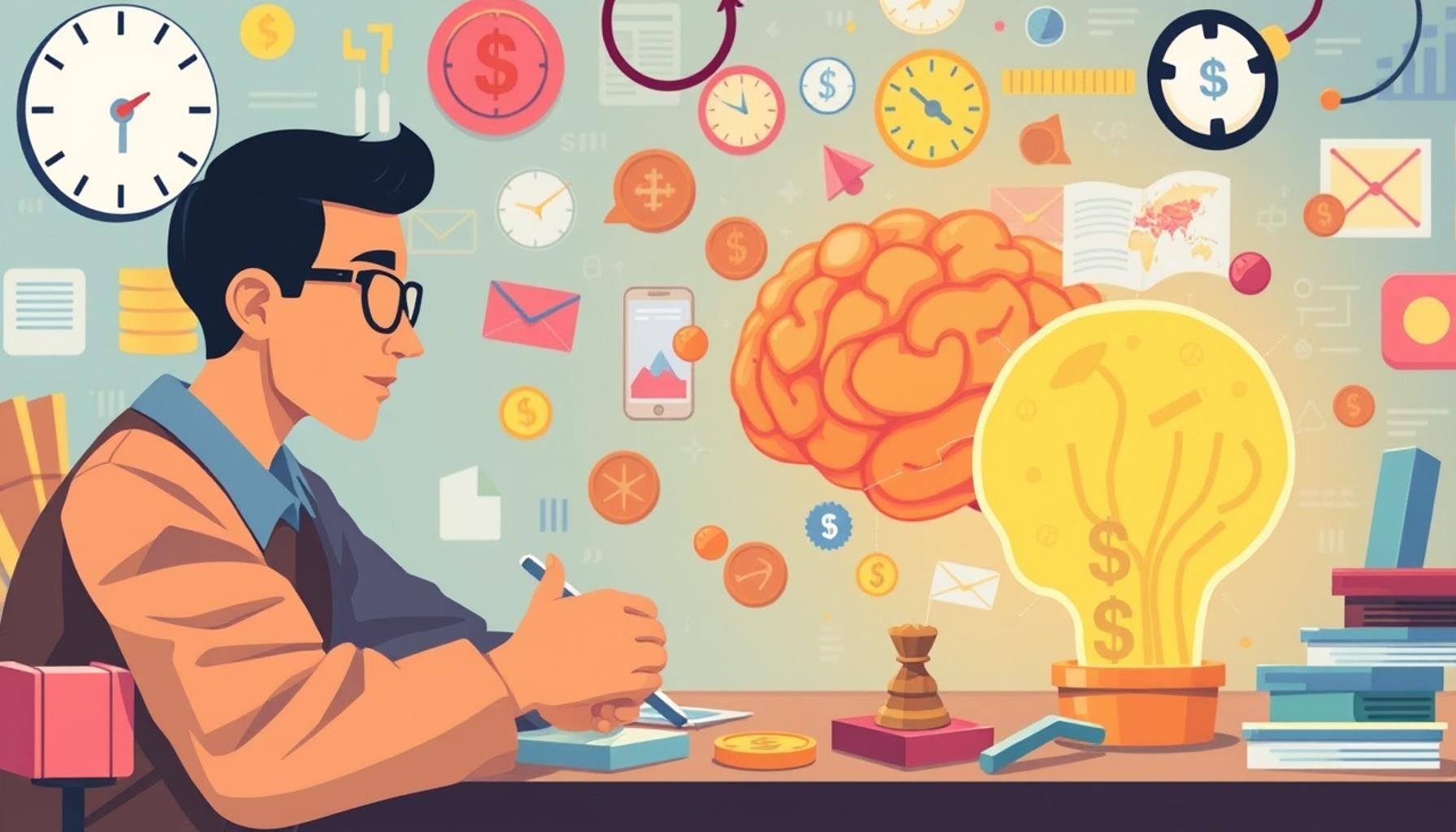
Understanding Mind Games and Their Impact
Have you ever noticed how solving puzzles can transform your perspective? In an age dominated by routine and structure, mind games offer a refreshing alternative, promoting both creative thinking and cognitive flexibility. These games provide not just leisure but also an essential training ground for various skills that can enhance our everyday lives.
One of the most significant benefits of engaging with mind games is their ability to enhance problem-solving skills. Games like chess challenge players to consider multiple strategies and anticipate their opponent’s moves, requiring a high level of strategic thought. Similarly, Sudoku requires players to hone their logical reasoning and deduction skills, as they navigate through a grid to fill in the missing numbers while adhering to specific rules. Such activities demand focus, patience, and an analytical approach to problem-solving, skills that are invaluable in real-world situations.
Another vital aspect of mind games is their role in increasing adaptability. Games that require players to switch tactics can foster cognitive flexibility. For example, video games like “Fortnite” emphasize adaptive thinking; players must continuously reassess their strategies based on changing in-game dynamics, requiring them to be resourceful and quick-witted. This adaptability can translate into improved performance in unpredictable, fast-paced environments outside the gaming world, such as workplaces where rapid decision-making is often necessary.
Additionally, mind games are potent catalysts for creativity. Engaging with novel challenges can spur innovative ideas and solutions. For instance, brainstorming sessions often benefit from creative exercises like word association games, which help participants think outside the box. The act of engaging with diverse puzzles and challenges not only stimulates the mind but also encourages a more open-minded approach to problem-solving. Research has shown that such creative engagement can improve one’s ability to develop unique solutions in academic and professional settings.
In the U.S., there is a growing recognition of the potential of mind games, leading to an increasing number of initiatives incorporating these activities into educational curricula. Schools are integrating puzzles and strategy games into their teaching methodologies to prepare students for the complexities of modern life. Studies have indicated that children exposed to these cognitive activities demonstrate measurable improvements in mental agility, significantly influencing their overall academic performance.

As we dive deeper into this topic, it becomes clear that mind games serve not only as entertainment but also as essential tools for enhancing cognitive abilities. They challenge our mental limits, push the boundaries of our creativity, and, ultimately, unlock the vast potential of our minds.
DIVE DEEPER: Click here to discover more
The Mechanics of Mind Games: How They Shape Thought Processes
Delving deeper into the concept of mind games, it becomes evident that these intellectually stimulating activities are far more than mere distractions. They actively shape the way individuals think and approach challenges. By engaging in mind games, players encounter scenarios that encourage diverse routes of thought, often leading them to breakthrough solutions that would not have surfaced in a traditional setting. This mechanism is central to fostering both creative thinking and cognitive flexibility.
At the core of mind games is the principle of challenging mental frameworks. When playing games like crosswords or logic puzzles, individuals are often required to abandon their initial assumptions and consider alternative possibilities. For instance, a crossword puzzle might force a player to be open to obscure vocabulary and lateral thinking, or a logic puzzle could lead them to deduce answers from less obvious clues. This process of mental challenge encourages players to break free from rigid patterns of thinking, enhancing their adaptability to novel situations.
Moreover, mind games are rich in opportunities for experiential learning. Each game presents players with unique scenarios, allowing them to test theories and observe outcomes in a safe environment. This trial-and-error framework is profoundly beneficial; it helps individuals understand that there are multiple ways to approach a single problem. As players experiment with different strategies, they develop a mindset that embraces flexibility, encouraging them to pivot quickly when faced with changing circumstances. The implications of this skill stretch far beyond the gaming table and into everyday decision-making.
Types of Mind Games That Foster Creativity and Flexibility
To fully appreciate how mind games enhance creative thinking and cognitive flexibility, it is helpful to categorize the various types of games that fulfill these roles:
- Strategy Games: Games like chess and Go rely on long-term planning and the ability to predict an opponent’s movements. These games refine strategic thought and adaptability.
- Word Games: Scrabble and Boggle promote linguistic creativity and quick thinking, pushing players to formulate unique words under pressure.
- Puzzle Games: Sudoku and nonograms develop logical reasoning and analytical skills while also demanding lateral thinking.
- Role-playing Games (RPGs): These games immerse players in narrative-driven environments, requiring them to be inventive and adaptable while navigating evolving story arcs.
- Physical Mind Games: Games that involve movement, such as escape rooms or scavenger hunts, stimulate teamwork and creative problem-solving in dynamic contexts.
Research suggests that the benefits derived from these mind games are cumulative; the more individuals engage in them, the better they become at adapting to different challenges. This ongoing exposure equips them with a toolkit of strategies, sharpening both their creative impulses and their cognitive flexibility. As we investigate further, the interplay between mind games, creative problem-solving, and adaptive thinking continues to offer a wealth of insights into the capabilities of the human mind.
Exploring the Benefits of Mind Games
Mind games are often underestimated when it comes to enhancing cognitive abilities. However, research shows that engaging in these activities can significantly improve not only creative thinking but also cognitive flexibility. Cognitive flexibility, the mental ability to switch between thinking about different concepts, is essential in an age where adaptability is key.
The Role of Puzzles and Strategy Games
Puzzles and strategy games, such as chess or Sudoku, offer a structured environment where individuals can explore complex problem-solving. These games require players to think multiple steps ahead and to adapt their strategies based on opponents’ moves. This kind of thinking nurtures creativity by encouraging individuals to consider alternative solutions and perspectives. Regular practice of these mind games can lead to improved decision-making skills in real-life scenarios, enhancing cognitive flexibility along the way.
Increasing Engagement Through Team Activities
Collaborative mind games not only foster social interaction but also encourage collective problem-solving. Team activities, such as escape rooms or trivia games, require participants to communicate effectively, share ideas, and respond dynamically to challenges. This group engagement can help stimulate creative thought processes, as participants are likely to be inspired by one another’s insights. Research has indicated that brainstorming sessions during such group activities can lead to more innovative ideas and solutions.
Embracing Digital Mind Games
The rise of technology has ushered in a new dimension of mind games, including mobile apps designed to enhance cognitive function. These digital platforms often incorporate elements of gamification, making the experience fun and engaging. Enhanced features such as time-limited challenges and competitive leaderboards stimulate users to think faster and enhance their creative problem-solving skills. The interactive nature of these games promotes an *adaptive mindset*, which is crucial for anyone looking to excel in a rapidly changing environment.With so many advantages, it’s clear that integrating mind games into daily routines can be a powerful tool for fostering both creativity and cognitive flexibility.
| Category 1 | Category 2 |
|---|---|
| Cognitive Skill Development | Enhances problem-solving and analytical skills. |
| Creativity Boost | Encourages out-of-the-box thinking and novel solutions. |
By weaving mind games into daily practices, individuals can bolster not only their creativity but also their capacity to think flexibly — a critical advantage in today’s dynamic world.
DIVE DEEPER: Click here to unlock the secrets of motivation
The Impact of Mind Games on Problem-Solving Skills
The transformative power of mind games extends far beyond mere entertainment; they are becoming increasingly recognized as vital tools for enhancing problem-solving skills in various contexts. When individuals engage in problem-solving activities through mind games, they cultivate an essential skill set that equips them to face the complexities of real-life situations. This realm of gaming offers a fertile ground for nurturing imaginative approaches to problem-solving, particularly as challenges become more sophisticated in today’s fast-paced world.
Consider the nature of strategy games like chess. Research indicates that players who regularly engage in chess demonstrate significantly improved problem-solving abilities as they learn to forecast various outcomes based on their moves. Chess requires not only tactical thinking—but also foresight and adaptability—which translates directly into everyday scenarios requiring nuanced decision-making. Similarly, players of modern RPGs, such as Dungeons & Dragons, must craft strategies adaptable to evolving narrative arcs, fostering a breadth of creative solutions that may be applied outside the game context.
Furthermore, emerging studies point to the neurological benefits derived from playing these games. Engaging in mind games challenges the brain, activating areas responsible for cognitive flexibility. For example, research published in the journal *Frontiers in Human Neuroscience* suggests that frequent cognitive challengers, such as intricate puzzles or word games, can spark connections between neurons, enhancing synaptic plasticity. This means that, beyond just enhancing creativity, regular engagement with these activities can potentially slow cognitive decline and promote long-term brain health.
Mind Games in Educational Settings
In light of their plethora of benefits, educators are increasingly integrating mind games into the curriculum as a means to foster creative thinking and cognitive flexibility among students. Given the rising demand for innovation in the American workforce, cultivating these skills at an early age is becoming fundamental. Mind games serve as a stimulating tool that transcends traditional teaching methodologies, encouraging students to engage in collaborative problem-solving while embracing failure as a part of the learning journey.
Interactive workshops that incorporate brain teasers, logic puzzles, and team-based strategy games are popping up in schools and educational programs throughout the United States. Not only do these initiatives pique students’ interest, but they also promote an environment where creative thinking flourishes. As students tackle diverse challenges with their peers, they learn to appreciate various perspectives, refining their ability to approach problems from multiple angles—a crucial attribute in today’s collaborative work settings.
Moreover, the potential for development through mind games is not limited to children. Adults involved in professional development programs that integrate strategic thinking games have demonstrated enhanced cognitive flexibility, allowing them to navigate the complexities of modern-day business challenges more adeptly. This ongoing investment in mental agility proves to be a wise choice for organizations striving to cultivate a workforce that can adapt to rapid changes.
As we explore the inherent benefits of engaging with mind games, their broader implications for innovation, practical problem-solving, and collective adaptability become increasingly clear. The expansion of creative thinking and cognitive flexibility, fueled by these dynamic activities, may well reshape not only individuals but also the very fabric of our society in the years to come.
DISCOVER MORE: Click here to learn how chess can enhance cognitive skills
Conclusion: The Future of Mind Games in Enhancing Cognitive Skills
In summary, the role of mind games in fostering creative thinking and cognitive flexibility is becoming increasingly significant in both educational and professional settings. As individuals engage in various types of mind games, they not only enjoy the entertainment value but also unlock a myriad of cognitive benefits that enhance their problem-solving abilities. Whether through the strategic maneuvers of chess or the imaginative storytelling in role-playing games, these activities encourage players to think outside the box and adapt to changing scenarios.
Moreover, by integrating mind games into educational curricula, we are equipping the next generation with essential skills critical for success in an ever-evolving workforce. Students gain exposure to collaborative environments, understand the importance of diverse perspectives, and embrace the learning opportunities provided by failures. The neurological advantages gained from these games—such as improved synaptic plasticity—further highlight their value as we strive for enhanced mental agility in both personal and professional spheres.
As we continue to harness the power of mind games, the implications extend far beyond the individual; they hold the potential to reshape societies by cultivating innovative thinkers who can navigate complex, modern challenges. Embracing this shift could lead to a future where cognitive flexibility is at the forefront of our educational and professional practices, paving the way for innovative breakthroughs that redefine what is possible.
Ultimately, engaging with mind games is not just a pastime but a vital investment in our cognitive health and creative potential. As we delve deeper into their impact, we may find that the key to unlocking new avenues of thought lies in the simple act of play.
Related posts:
Evaluating the Benefits of Memory Games on Cognitive Aging in Seniors
The Role of Video Games in Enhancing Attention and Focus in Middle School Students
The Influence of Crossword Puzzles on Vocabulary Acquisition in Early Childhood
The Effects of Escape Room Challenges on Teamwork and Social Skills in Young Adults
Exploring the Connection Between Sudoku and Mathematical Reasoning in Teenagers
The Benefits of Jigsaw Puzzles on Spatial Awareness in Preschoolers

Linda Carter is a writer and puzzle expert specializing in mind games, brain teasers, and cognitive challenges. With extensive experience helping individuals enhance their problem-solving skills and think critically, Linda shares her knowledge on our platform. Her goal is to empower readers with practical advice, engaging puzzles, and strategies to sharpen their minds and achieve success in the captivating world of mind games and puzzles.