The Effects of Memory Games on Healthy Aging

The Growing Importance of Cognitive Health in Older Adults
Maintaining cognitive function is crucial for older adults as they navigate the challenges of aging. With the steady increase in life expectancy, many individuals are keen to preserve their mental faculties, potentially allowing them to live independently, remain socially engaged, and enjoy a high quality of life. Herein lies the appeal of memory games, which combine the dual benefits of entertainment and mental stimulation.
Benefits of Memory Games
Numerous research studies suggest that engaging with memory games offers various cognitive and social benefits for older adults. Here are some of the noteworthy advantages:
- Improved cognitive skills: Memory games challenge players to think critically, enhance their attention spans, and develop better reasoning and problem-solving skills. For instance, games like Sudoku or word searches not only stimulate the mind but also boost strategic thinking by requiring players to plan their next moves.
- Enhanced social interaction: Many memory games are designed to be played with others, which can significantly improve social connections. Group game sessions, whether in person at community centers or online, encourage camaraderie and mutual support, ultimately helping to alleviate feelings of loneliness that often accompany aging.
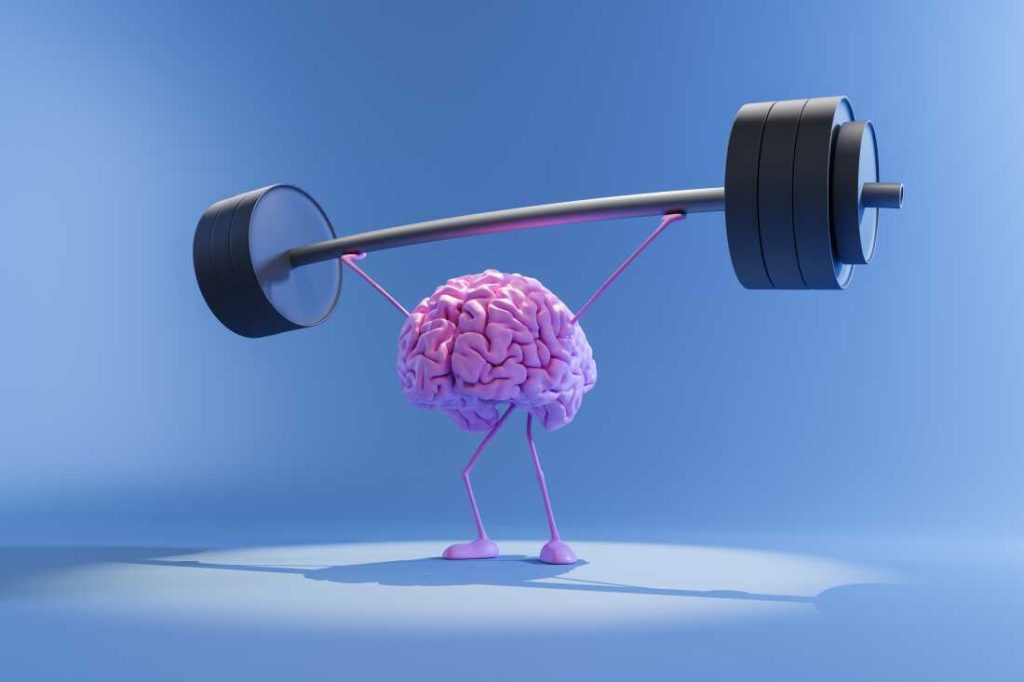
- Increased brain plasticity: Just as physical exercise fortifies muscles, mental exercises can strengthen brain pathways. This phenomenon of brain plasticity ensures that older adults can continue to learn new things and adapt to changes in their environment, which is crucial for healthy aging.
Memory Games and Healthy Aging
As the population of older adults in the United States continues to rise, understanding the impact of cognitive activities like memory games is more important than ever. Recent studies indicate that engaging in regular mental activities may decrease the risk of experiencing cognitive decline and reduce the likelihood of developing severe conditions such as Alzheimer’s disease. For instance, the famous ACTIVE (Advanced Cognitive Training for Independent and Vital Elderly) trial demonstrated that participating in cognitive training can lead to long-lasting improvements in mental functioning.
Scientific and Anecdotal Evidence
This article aims to explore the compelling evidence surrounding memory games and their positive effects on cognitive health as we age. By examining both scientific findings and personal testimonies, we can gain insights into whether these games are a practical tool for promoting healthy aging.
As we delve deeper, we may find that memory games do not just offer fleeting enjoyment; they could be an essential strategy for enriching the lives and minds of older adults, thereby changing the narrative around aging. The question remains: Are memory games the key to unlocking healthier aging? With the ongoing research, the answers may surprise you and lead to new horizons in cognitive care. Explore the potential of memory games and consider adding them to your routine or that of a cherished older adult in your life.
DIVE DEEPER: Click here to learn more
The Cognitive Benefits of Memory Games
Memory games, ranging from classic card-matching games to modern puzzle apps, have been designed to challenge and engage the brain. These activities not only provide entertainment but also serve as a crucial tool in the quest for healthy aging. Older adults who consistently engage in memory games experience notable improvements in various cognitive functions, which can significantly enhance their overall quality of life.
Research has shown that playing memory games can lead to enhanced working memory, a critical component of our cognitive abilities. Working memory involves holding and manipulating information for short periods, which is essential for daily tasks such as following a conversation or remembering a shopping list. Studies indicate that individuals who participate in regular memory-based activities perform better on tests that measure working memory, thereby suggesting a protective effect against cognitive decline.
Key Components of a Memory Game
When considering the effectiveness of memory games, it is essential to look at the specific elements that contribute to their cognitive benefits. Below are some key components that make memory games particularly beneficial for older adults:
- Repetitive Practice: Engaging in memory games often involves repeated actions that help reinforce neural pathways in the brain. This repetitive practice can strengthen cognitive function and improve memory retention over time.
- Increased Focus: Many memory games require intense concentration, which can lead to improved attention span. This increase in focus not only aids in gameplay but also translates to better performance in everyday activities.
- Problem-Solving Skills: As players navigate through challenges in memory games, they develop their problem-solving abilities. This skill is crucial for adapting to new situations and maintaining cognitive flexibility as one ages.
- Adaptive Difficulty Levels: Many modern memory games allow players to adjust the level of difficulty, making it easier for individuals to match their skills and gradually increase their cognitive challenges, fostering growth and maintaining motivation.
These components work together to create an enriching experience that keeps the brain engaged and active. The idea that memory games can fortify cognitive function is supported not only by observational studies but also by controlled trials indicating that older adults who regularly participate in such activities show a notable delay in cognitive decline compared to those who do not.
Real-World Applications and Interventions
Incorporating memory games into the daily lives of older adults can be achieved through various methods. Many senior centers and community programs now offer memory game workshops or online platforms tailored to engage older adults in cognitive training games. Additionally, family members can encourage participation in games during family gatherings, promoting both social interaction and mental exercise.
As we continue to uncover the relationship between memory games and their impact on healthy aging, it becomes increasingly clear that these activities could be more than just recreational; they could be a vital strategy in upholding cognitive health in the aging population. The potential benefits are not just limited to cognitive skills but extend to improved emotional well-being and social connections, painting a hopeful picture for the future of aging. The exciting question lies in how we can leverage this knowledge to enhance our everyday lives and support the older adults we cherish.
| Cognitive Benefits | Social Engagement |
|---|---|
| Improved Memory | Social Interaction |
| Memory games stimulate cognitive processes, leading to enhanced recall and retention of information. | Participating in these games encourages players to engage with peers, reducing feelings of isolation. |
| Increased Attention Span | Team Building |
| They can also lead to an improvement in focus and concentration, which is vital as we age. | Engaging in memory games fosters collaboration and camaraderie, enhancing overall mental well-being. |
The advantages of memory games extend beyond cognitive improvements. They play a crucial role in promoting social wellness among older adults. Social interaction is essential for maintaining a positive mindset and encouraging lifelong learning. Many studies highlight how games create environments where connections flourish, fostering friendships that contribute to emotional resilience. Moreover, improved memory and attention span resulting from engaging in such activities further help in reducing the risk of conditions like dementia and Alzheimer’s. When individuals actively challenge themselves through cognitive exercises, they not only sharpen their mental skills but also heighten their quality of life. These findings shed light on the multifaceted benefits of memory games, revealing strategies for enhancing healthy aging. Such insights can motivate readers to incorporate more cognitive challenges into their daily routines.
DISCOVER MORE: Click here to dive deeper
The Social and Emotional Impact of Memory Games
While the cognitive benefits of memory games are undoubtedly significant, their influence on social interactions and emotional well-being is just as important for healthy aging. Engaging in memory games can foster connections among older adults, reducing feelings of isolation and loneliness that are common in this demographic. In team or group settings, these games encourage collaboration, communication, and competition, creating opportunities for social bonding.
A study conducted by the National Institute on Aging found that regular social interactions can actually enhance cognitive function and help stave off cognitive decline. By participating in memory games, older adults not only challenge their minds but also find new avenues for engagement with peers, family members, or caregivers, which enhances their overall emotional health. For instance, game nights at senior centers or family gatherings focused on memory games can create an environment where laughter and joy are abundant, promoting a positive outlook on life.
Memory Games in Rehabilitation and Therapy
The applications of memory games extend beyond mere recreation; they are increasingly being incorporated into therapy and rehabilitation programs. Occupational therapists often utilize them as part of cognitive rehabilitation for seniors recovering from strokes or traumatic brain injuries. These tailored memory exercises can help patients regain lost cognitive functions while also providing a motivating way to engage with therapy. Studies indicate that when individuals see measurable progress—such as better performance on memory tasks—they are more likely to maintain enthusiasm towards recovery and rehabilitation.
Additionally, memory games are being embraced as an adjunct therapy for those dealing with ailments such as Alzheimer’s disease or other forms of dementia. The Alzheimer’s Association recommends various brain games, including memory-related activities, as a method to stimulate brain function and slow down the progression of symptoms. For example, apps designed for memory training specifically target memory recall and pattern recognition, making them valuable tools in daily care routines.
Technological Advances in Memory Games
The rise of technology presents numerous opportunities for enhancing the experience of memory games. While traditional board games hold significant value, digital memory games have made these cognitive challenges more accessible and engaging. Applications are designed with adaptive features that can adjust the difficulty levels in real-time, ensuring that users remain engaged without becoming frustrated.
Moreover, some innovative platforms now integrate artificial intelligence to personalize the games even further, tailoring challenges based on individual progress and preferences. This personalization is essential for maintaining motivation among older adults, as it allows users to experience new levels of success, thereby reinforcing their commitment to improving cognitive function. This interplay of technology and gaming allows individuals in the U.S. to engage with memory exercises at their own pace, making brain training a convenient part of their daily routine.
In exploring the multifaceted effects of memory games on healthy aging, it’s evident that their benefits transcend cognitive enhancement; they enrich social interactions, support rehabilitation, and leverage modern technology to meet seniors where they are. The proactive pursuit of brain health via memory games holds promise not only for delaying cognitive decline but also for enhancing the overall quality of life as one ages.
DISCOVER MORE: Click here to learn about cultural variations in memory games
Conclusion: Embracing Memory Games for Enhanced Healthy Aging
As we age, the quest for healthy aging becomes increasingly paramount. The evidence presented highlights that memory games are far more than just a fun pastime; they serve as a vital tool in promoting cognitive health, enhancing social connections, and supporting emotional well-being among older adults. By engaging in memory games, seniors activate critical cognitive functions, which can help postpone the onset of decline in mental capabilities.
Moreover, the social and emotional dimensions of these games cannot be overstated. Participation in memory challenges fosters a sense of community, reduces feelings of isolation, and enhances mental health through shared experiences and laughter. As technology continues to evolve, the accessibility and personalization of memory games further increase their efficacy, making them a logical choice for those seeking to maintain cognitive agility and emotional resilience.
Incorporating memory games into daily routines, whether through traditional board games or digital applications, can empower older adults to take an active role in their brain health. The combination of cognitive engagement, social interaction, and therapeutic applications creates a roadmap for enriching lives and enhancing the quality of aging. As research continues to unveil the myriad benefits of memory games, it is clear that they represent a promising avenue for cultivating a vibrant, healthy aging process.
Ultimately, the onus is on individuals, families, and communities to embrace these tools, making it a priority to incorporate them into daily life. The intersection of fun and health offers an intriguing path for seniors to not only sharpen their minds but also to relish the joys of connection and engagement as they navigate the later years of life.
Related posts:
The Science Behind Memory Games: How Puzzles Enhance Cognitive Function
From Sudoku to Crosswords: Exploring Diverse Puzzles for Memory Enhancement
Brain Training Techniques: Using Mind Games to Boost Memory Retention
Cultural Variations in Memory Games: How Different Societies Use Puzzles for Cognitive Development
The Benefits of Collaborative Puzzles: Enhancing Memory Through Social Engagement
Memory Enhancement Through Storytelling Puzzles: Engaging the Imagination

Linda Carter is a writer and puzzle expert specializing in mind games, brain teasers, and cognitive challenges. With extensive experience helping individuals enhance their problem-solving skills and think critically, Linda shares her knowledge on our platform. Her goal is to empower readers with practical advice, engaging puzzles, and strategies to sharpen their minds and achieve success in the captivating world of mind games and puzzles.