
The Role of Video Games in Enhancing Attention and Focus in Middle School Students
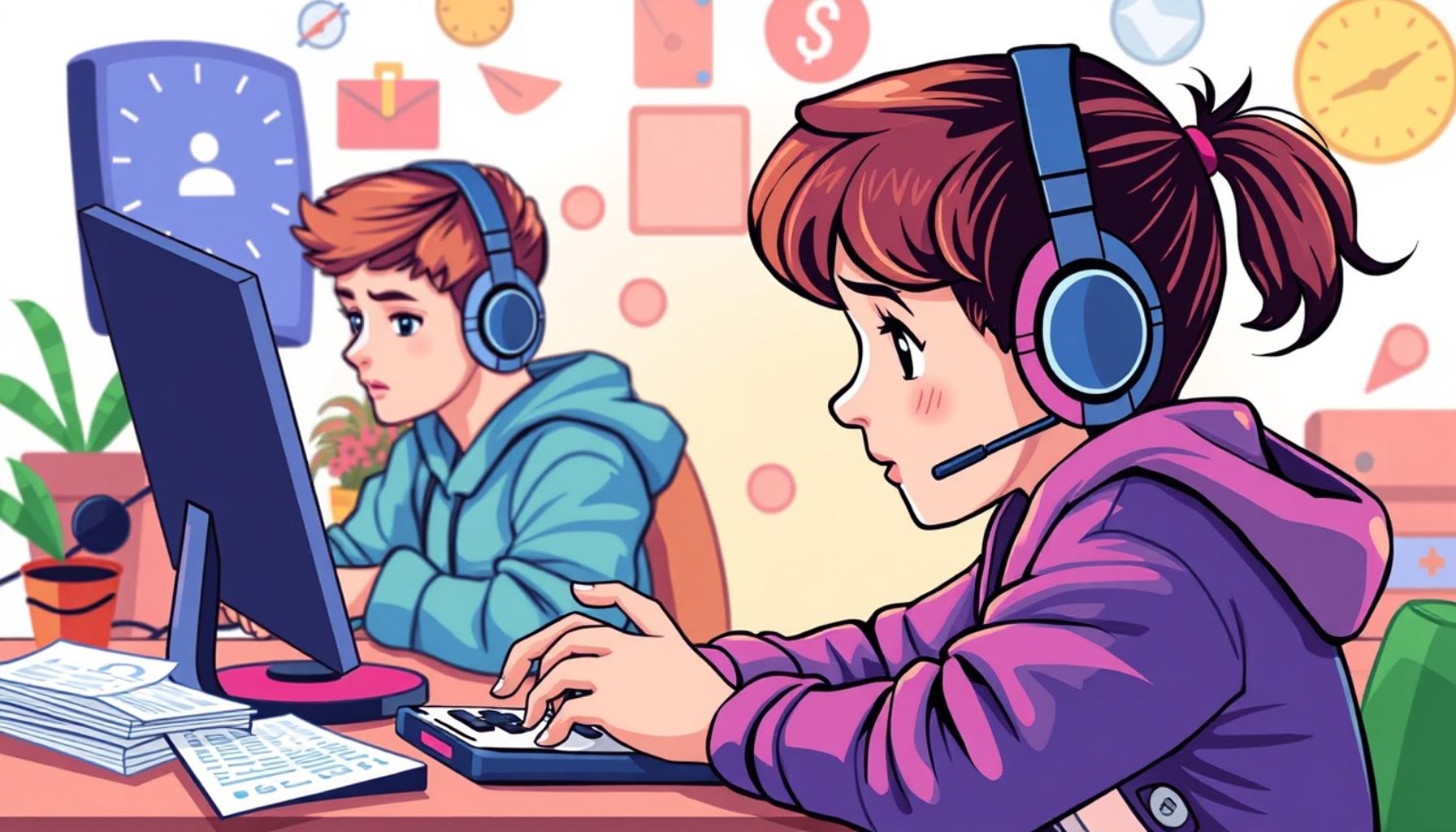
Understanding the Cognitive Benefits of Video Games
Video games have transformed from simple leisure activities into complex digital experiences that can influence cognitive development, particularly among middle school students in the United States. These engaging platforms are often dismissed as mere entertainment, yet a growing body of research suggests they serve as profound tools for enhancing essential cognitive skills, notably attention and focus.
One of the most compelling aspects of video games is their demand for multitasking and quick decision-making. Many popular games require players to juggle multiple objectives, respond to in-game stimuli with precision, and adjust strategies on the fly. For example, games like “Fortnite” and “Overwatch” immerse players in environments where they must constantly assess their surroundings, making split-second decisions that can determine success or failure. This constant engagement can lead to heightened attention spans and improved focus, skills that are invaluable both in academics and daily life.
Additionally, educational games have emerged as innovative tools that blend learning with entertainment. Titles such as “Minecraft: Education Edition” and “Kahoot!” encourage students to explore subjects while actively participating in the learning process. These games not only present material in a more engaging way but also foster an environment where students can absorb concepts more effectively, turning what can sometimes be tedious rote learning into an interactive experience.
- Multitasking and Rapid Decision-Making: Players often navigate complex scenarios, requiring immediate responses. This enhances their ability to focus amidst distractions.
- Engaging Educational Content: Games designed for learning provide a platform for students to engage with academic material dynamically, proving that fun and education can coexist.
- Collaborative Interactions: Multiplayer games foster teamwork and communication, crucial skills for academic and professional success.
Research has shown that action and puzzle games notably improve visual attention and spatial awareness. A study conducted by the University of California found that adolescents who engaged in action video games exhibited enhanced abilities in tracking multiple objects simultaneously. Such improvements are particularly pertinent as educators strive to equip students with the cognitive tools necessary for an increasingly competitive and complex world.
The potential of video games to facilitate problem-solving skills also deserves attention. Many games require players to devise strategies, analyze situations, and overcome obstacles, fostering an adaptive approach to challenges. For instance, strategy games like “Civilization” encourage players to consider long-term consequences while making decisions, a skill that parallels the critical thinking required in academic pursuits.

As we navigate the intersection of video gaming and education, it becomes essential for educators and parents to recognize the cognitive advantages presented by these interactive platforms. By incorporating gaming into educational curricula or supporting responsible gaming at home, adults can help children harness these benefits effectively. The balance of play and learning is a frontier that holds remarkable potential to reshape educational practices and enhance student engagement.
DIVE DEEPER: Click here to uncover the link between Sudoku and math skills
Cognitive Engagement Through Interactive Experiences
The interactive nature of video games creates a unique environment where middle school students can develop and enhance their cognitive abilities. Unlike traditional forms of entertainment, video games require players to maintain high levels of concentration and engagement over extended periods. This demand for sustained focus is particularly beneficial for younger audiences whose ability to concentrate is still developing.
One of the key cognitive benefits associated with video gaming is the improved capacity for divided attention. Players often find themselves in scenarios where they need to keep track of multiple elements simultaneously, whether it’s monitoring an opponent’s moves in a competitive arena or managing resources in a complex building simulation. This action not only bolsters their visual attention but also aids in their capacity to filter out irrelevant distractions, an essential skill for academic settings where multiple stimuli vie for attention.
Furthermore, studies suggest that there is a significant positive correlation between engagement with action video games and improvements in focus. A study from the University of Toronto indicated that participants who played fast-paced action games performed better in tasks requiring selective attention compared to their non-gaming peers. Such findings underline the potential of video games as effective tools for honing the concentration skills vital for middle school success.
- Enhanced Visual Processing: Video games, particularly those that require players to respond quickly to visual cues, have been linked to improvements in visual processing speeds, allowing students to absorb information rapidly.
- Better Task Management: The necessity to switch tasks within games teaches players how to manage several responsibilities simultaneously, a skill that translates effectively to managing homework and projects.
- Increased Engagement in Learning: Games that incorporate educational content foster an instinctive curiosity, encouraging students to dive deeper into subjects that may otherwise seem dull.
Moreover, the social interaction present in many video games cannot be overlooked. Multiplayer environments, such as those found in games like “Roblox” or “League of Legends,” promote teamwork and effective communication. Collaborating with peers in these online realms helps to build essential soft skills that are crucial not only within academic contexts but also in future professional environments. Teams must coordinate their efforts and strategize together, situations that closely mirror classroom group work or team-based projects.
Harnessing the potential of video games goes beyond mere entertainment. Educators and parents have a unique opportunity to guide students in utilizing these tools to enhance their cognitive skills. By acknowledging the role of video games in developing attention and focus, we can foster responsible gaming habits that prioritize both enjoyment and educational advancement.
The Cognitive Benefits of Video Games
As educational methods evolve, the integration of video games into the learning environment has gained traction. Research indicates that video games can significantly enhance the attention span and focus of middle school students. These digital platforms create an engaging atmosphere that fosters concentration through structured challenges and immediate feedback. One remarkable aspect of video gaming is its ability to improve working memory. This is crucial for middle school students who are often bombarded with new information. Games that require players to remember sequences, manage resources, or strategize under pressure can sharpen this cognitive skill. Students often find these activities not only enjoyable but also mentally stimulating, promoting deeper cognitive engagement.Moreover, video games promote multitasking abilities, which are essential in today’s fast-paced educational settings. Games that involve navigating multiple tasks simultaneously can prepare students for the demands of future learning scenarios. The ability to switch focus while maintaining attention on multiple elements may enhance their performance in academic environments.Lastly, many video games encourage goal setting and problem-solving, as players must set objectives and develop strategies to overcome challenges. This promotes an environment where students learn to apply their focus to achieve both in-game and real-life goals. The motivational aspects of video gaming can also translate into increased interest in their academic subjects.To delve deeper into how video games can sharpen these essential cognitive functions, see the table below for an organized exploration of the topic.
| Category | Details |
|---|---|
| Cognitive Skills | Enhanced working memory and improved focus in dynamic environments. |
| Multitasking | Training in multitasking improves ability to manage multiple academic tasks efficiently. |
| Goal Setting | Promotes goal setting and strategic thinking through in-game progression. |
These advantages illustrate the potential role of video games as a tool for enhancing student attention and focus. With the right approach and guidance, educators can leverage these tools to enrich the learning experience and engage students more effectively.
DIVE DEEPER: Click here to uncover the link between Sudoku and math skills
Strategic Thinking and Problem-Solving Skills
In addition to fostering attention and focus, video games play a pivotal role in developing strategic thinking and problem-solving skills among middle school students. Many games, particularly those rooted in strategy and role-playing, require players to think critically and make decisions with far-reaching consequences. This cognitive engagement parallels the academic requirements of young learners as they navigate complex subjects such as mathematics and science.
For instance, games like “Civilization” or “StarCraft” demand players to devise intricate plans to achieve their objectives, balancing immediate needs with long-term goals. Such scenarios enhance players’ abilities to assess risks, evaluate potential outcomes, and select appropriate actions, all crucial skills that positively impact their performance in a classroom setting. Research indicates that students who regularly engage in these types of games show significant improvement in their analytical thinking, which translates to their ability to tackle challenging assignments and tests.
Moreover, the concept of failure as a learning opportunity is deeply embedded in video gaming culture. Players often experience setbacks, whether through losing a match or failing to achieve a mission objective. This iterative process of trying, failing, and trying again fosters resilience, teaching students that persistence is key to overcoming obstacles. A study published in the journal “Computers in Human Behavior” suggested that players who frequently encountered challenges in video games developed a growth mindset, which is vital for academic success and personal development.
- Enhancing Memory Skills: Video games often require the retention of various elements, including maps, character abilities, and resource availability. This reliance on memory strengthens both short-term and long-term recall, which can benefit students during lectures and exams.
- Encouraging Logical Reasoning: Puzzle-based video games, such as “Portal” or “Tetris,” engage students in logical reasoning and spatial awareness, explicitly affecting their problem-solving capabilities in math and science-related tasks.
- Simulation of Real-world Situations: Many games create scenarios that mimic real-life challenges. For instance, simulation games like “SimCity” enable players to manage resources and make strategic decisions that can have immediate consequences, mirroring the dynamics of real-world situations.
The collaborative aspect of gaming further complements these skills. Many multiplayer titles require students to work together, communicating and strategizing as a team to accomplish shared goals. A study from the American Psychological Association found that team-based games enhance collaborative skills, allowing students to develop not only their attention and focus but also their ability to work effectively with peers—a crucial asset as they progress through middle school and beyond.
As educators and parents recognize the significant advantages that video games offer in enhancing attention, focus, and critical thinking skills, they should consider integrating them into learning experiences. Encouraging students to engage with educational games can create a more dynamic learning environment where students harness the power of play to boost their academic prowess.
DON’T MISS: Click here to discover more about teamwork and social skills
Conclusion
In conclusion, the impact of video games on enhancing attention and focus in middle school students is both profound and multifaceted. Through engaging gameplay, these digital experiences foster critical cognitive skills such as strategic thinking, problem-solving, and memory retention. As students immerse themselves in complex game scenarios, they learn to navigate challenges that mirror real-life situations, reinforcing their ability to think critically and make informed decisions.
Moreover, the inherent learning opportunities embedded in video games—from overcoming failure to collaborating with peers—cultivate resilience and social interaction, which are essential skills in today’s educational landscape. As educators increasingly recognize the potential of gamified learning environments, it becomes evident that video games can serve as a bridge between play and academic achievement.
Furthermore, by promoting logical reasoning and resource management, video games empower students to tackle challenging subjects like mathematics and science with greater confidence and competence. As the educational system evolves, incorporating educational video games into curricula may provide an innovative approach to engaging students, keeping them focused, and enhancing their learning outcomes.
In an age where attention spans are increasingly challenged by digital distractions, understanding and leveraging the positive aspects of video gaming could transform our approach to education. By harnessing the power of video games, we can not only enhance students’ attention and focus but also create a more interactive and fruitful learning environment that prepares them for future success.
Related posts:
Exploring the Connection Between Sudoku and Mathematical Reasoning in Teenagers
The Benefits of Jigsaw Puzzles on Spatial Awareness in Preschoolers
The Influence of Online Puzzle Games on Cognitive Development and Digital Literacy in Young Adults
The Impact of Logic Puzzles on Problem-Solving Skills in Children
The Role of Strategy Games in Developing Critical Thinking Skills in Adults
Evaluating the Benefits of Memory Games on Cognitive Aging in Seniors

Linda Carter is a writer and puzzle expert specializing in mind games, brain teasers, and cognitive challenges. With extensive experience helping individuals enhance their problem-solving skills and think critically, Linda shares her knowledge on our platform. Her goal is to empower readers with practical advice, engaging puzzles, and strategies to sharpen their minds and achieve success in the captivating world of mind games and puzzles.