The Effects of Escapism in Puzzles on Motivation and Mental Well-Being
Unlocking the Mind with Puzzles
In today’s fast-paced world, people often seek refuge in activities that provide a break from reality. One such pastime is solving puzzles, which has gained popularity among various age groups. From crossword puzzles in the morning newspaper to intricate jigsaw puzzles that take hours to complete, these activities not only serve as a form of entertainment but also play a crucial role in enhancing motivation and improving mental well-being.
What is Escapism?
Escapism refers to the tendency to seek distraction and relief from unpleasant realities. When it comes to puzzles, this form of escapism can manifest in various ways:
- Mental Retreat: Engaging with puzzles allows individuals to temporarily detach from life’s stresses. For example, during a hectic day at work, spending just a few minutes on a Sudoku puzzle can provide a brief mental escape that rejuvenates the mind.
- Increased Focus: Solving puzzles can enhance concentration and lead to a sense of accomplishment. Studies have shown that individuals who regularly engage in puzzles report improved attention spans and cognitive clarity.
- Cognitive Challenge: Puzzles stimulate the brain, encouraging creativity and critical thinking. For instance, strategy games like chess require players to think several moves ahead, which can sharpen strategic planning skills.
The Motivation Connection
Research suggests that engaging in enjoyable activities can significantly boost one’s drive to accomplish tasks. By providing a rewarding experience, puzzles serve as a motivation booster for many:
- Sense of Achievement: Completing a puzzle fosters a feeling of success. Whether it’s finishing a challenging jigsaw puzzle or solving a tricky riddle, the sense of satisfaction can motivate individuals to tackle other challenging tasks throughout their day.
- Goal Orientation: Puzzling encourages setting and achieving short-term goals. Breaking a complex puzzle into smaller sections can help in experiencing incremental successes, which can be particularly motivating.
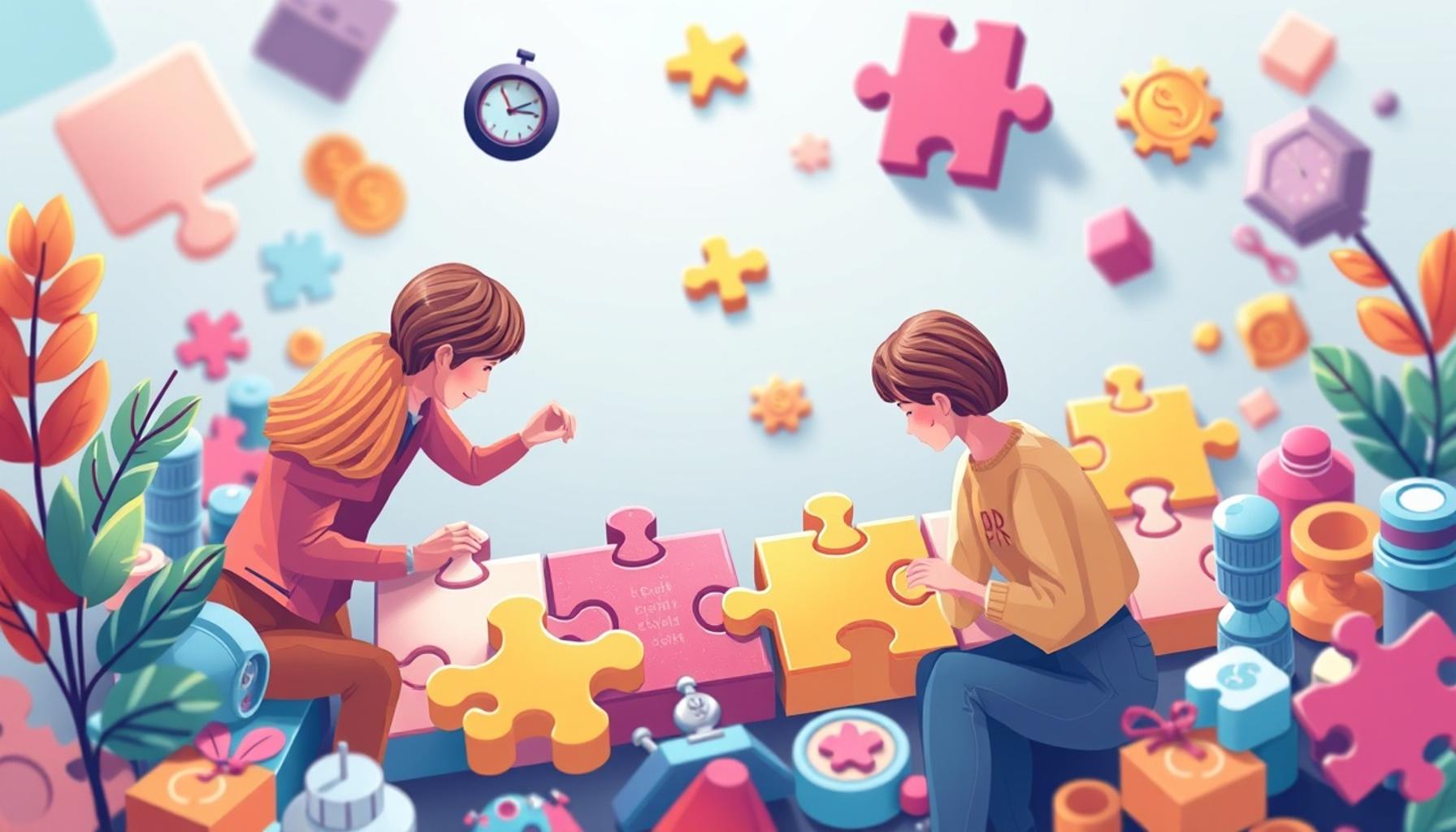
- Social Interaction: Working on puzzles with others can enhance social bonds and collective motivation. Family game nights featuring puzzles can strengthen relationships and promote teamwork, making the experience more enjoyable and fulfilling.
This exploration into the effects of escapism in puzzles will uncover how these seemingly simple activities can lead to significant improvements in both motivation and mental well-being. As more individuals turn to puzzles as a source of comfort and joy, it becomes evident that engaged minds are often happier and more productive, paving the way for a healthier approach to life’s daily challenges. Whether you find solace in solving a crossword or piecing together a vibrant image, puzzles have a unique way of unlocking the mind and enriching the human experience.
DIVE DEEPER: Click here to discover more

Benefits of Escapism Through Puzzles
Puzzles are more than mere distractions; they offer profound benefits for mental health and motivation. Engaging in puzzle-solving can serve as a therapeutic outlet, allowing individuals to escape the burdens of everyday life. This unique form of escapism offers significant advantages, particularly in today’s demanding society:
Enhancing Mental Well-Being
When individuals immerse themselves in puzzles, they cultivate an environment conducive to improved mental well-being. Here are several ways puzzles can positively impact mental health:
- Stress Reduction: Puzzles provide a focused escape, allowing individuals to concentrate on the task at hand. This mental engagement helps alleviate stress by providing a break from anxiety-inducing thoughts. Research indicates that such activities can lower cortisol levels, the body’s primary stress hormone.
- Mindfulness Practice: Solving puzzles can become a mindful practice. The intricate nature of puzzles fosters a sense of presence in the moment, facilitating relaxation and promoting a meditative state. Many find that dedicating time to solve a puzzle provides peace and clarity in their tumultuous lives.
- Emotional Outlet: For some, particularly those facing emotional challenges, puzzles serve as a productive distraction that helps redirect negative feelings. This beneficial diversion can be especially helpful during moments of depression and anxiety, allowing individuals to cope in a healthy manner.
Puzzles as a Motivational Tool
The correlation between puzzle-solving and motivation is significant. Engaging in puzzles can inspire a renewed sense of accomplishment and drive:
- Incremental Progress: Each puzzle solved represents a small victory. This sense of achievement can propel individuals to pursue their larger goals in daily life, fostering a proactive attitude. The process of setting and meeting small objectives within the puzzle can lead to greater overall productivity.
- Boosting Confidence: As individuals successfully navigate increasingly challenging puzzles, they experience a boost in self-confidence. This newfound confidence can transfer to various other aspects of life, encouraging individuals to take on new challenges outside the realm of puzzles.
- Encouraging Persistence: Puzzles often require patience and perseverance, essential traits for achieving success. When individuals face and conquer challenging puzzles, they learn to tackle difficulties in life with a similar mindset, thereby enhancing their resilience.
In conclusion, the effects of escapism found in puzzle-solving extend well beyond mere entertainment. Engaging with puzzles allows for a meaningful retreat that can heal and stimulate, enriching both motivation and mental well-being. As people turn to these fascinating forms of entertainment, the positive repercussions ripple through their lives, proving that sometimes, a simple puzzle is all it takes to ignite the spark of motivation and cultivate a clearer mind.
The relationship between escapism and mental well-being is a fascinating area of study, especially in terms of how puzzles serve as a perfect vehicle for escapism. Engaging with puzzles allows individuals to temporarily shift their focus from life’s stressors, providing a sense of relief and a mental break. This phenomenon can lead to improved motivation as participants experience a renewed sense of purpose and achievement once they complete a challenging puzzle. The act of puzzle-solving demands concentration and focus, drawing one’s mind away from anxiety and unease, which can have a profound impact on mental health.
Research has shown that when individuals engage in activities like puzzles, they often experience a boost in cognitive function. This boost translates into enhanced problem-solving skills and creativity, elements that spill over into other areas of life. Furthermore, the feeling of accomplishment when finishing a puzzle can release dopamine, often referred to as the “feel-good” neurotransmitter, which reinforces attitudes of positivity and motivation. In this light, it’s clear that the escapism offered by puzzles isn’t merely a distraction; it serves as a vital tool for achieving and maintaining mental well-being, making the engaging nature of puzzles a perfect remedy for modern life’s challenges.
| Category 1 | Category 2 |
|---|---|
| Types of Puzzles | Crosswords, Jigsaws, and Logic Puzzles cater to diverse interests |
| Cognitive Benefits | Improves brain function, memory, and problem-solving skills |
| Emotional Relief | Provides a temporary escape from daily stressors |
| Motivation Boost | Achieving puzzle goals can increase overall motivation levels |
As we further explore the intricacies of escapism in puzzles, we uncover additional dimensions that highlight their importance in fostering not just enjoyment, but also significant improvements in mental health. Understanding these effects may serve as a gateway for individuals looking to enhance their daily lives through constructive and fulfilling escapism.
DISCOVER MORE: Click here to learn about the impact of logic puzzles
Social Connections Through Puzzles
Engaging with puzzles can transcend the individual experience, fostering connections and strengthening social bonds. The communal aspect of puzzle-solving brings people together, facilitating interaction and collaboration:
Building Relationships
Puzzles have been known to serve as a medium for social interaction. Family game nights or friendly get-togethers centered around puzzle-solving can enhance relationships and create shared experiences:
- Shared Accomplishments: Working together to solve a puzzle fosters a sense of unity among participants. The collective effort required in reaching a common goal can strengthen the emotional ties within friendships and family relationships. Research shows that engaging in cooperative activities can boost social satisfaction and diminish feelings of loneliness.
- Community Engagement: Many communities host puzzle competitions or social events that draw puzzle enthusiasts together. These gatherings not only offer the challenge of competition but also a chance to meet others with similar interests, leading to the formation of lasting friendships rooted in shared passions.
- Online Connections: In the digital era, online gaming platforms and forums have made it easier than ever to engage with puzzles. Players can connect with others from around the globe, fostering friendships and collaborations regardless of geographical boundaries. This global interaction promotes the exchange of ideas and strategies, enriching the puzzle-solving experience.
Boosting Cognitive Skills
The act of engaging with puzzles extends beyond mere enjoyment—it actively contributes to enhancing various cognitive skills. These skills play a significant role in motivation and overall mental wellness:
- Critical Thinking: Puzzles often require individuals to analyze patterns, make connections, and strategize. This mental exercise sharpens critical thinking abilities, which can be applied in real-life problem-solving scenarios. As confidence in decision-making grows, individuals may find themselves more motivated to take on new challenges.
- Memory Enhancement: Regular engagement with puzzles has been linked to improved memory function. The act of recalling shapes, colors, and patterns can strengthen neural pathways, aiding in memory retention. A sharper mind fosters a sense of accomplishment, fueling motivation.
- Creativity Stimulation: Many puzzles—ranging from crosswords to jigsaw puzzles—invigorate creative thinking by requiring individuals to draw upon existing knowledge and think outside the box. This creativity can then translate into various aspects of life, encouraging innovative solutions and strategies in personal and professional endeavors.
An additional layer of benefit lies in the consistency of practice. As individuals repeatedly challenge themselves with puzzles, their cognitive abilities improve, leading to greater confidence in their intellectual capabilities. This sense of achievement can increase motivation, prompting engagement in other areas of life where creative problem-solving is beneficial.
Escapism in a Digital Age
In today’s fast-paced, technology-driven world, the nature of puzzles has evolved. Digital puzzles and applications provide immediate access to problem-solving tasks, allowing a broader audience to experience the escapism that puzzles offer:
- Accessibility: The proliferation of mobile applications offering puzzles allows users to engage on-the-go, making them a perfect escape during hectic commutes or in-between responsibilities. This accessibility promotes regular engagement, leading to sustained mental benefits and motivation boosts.
- Gamification Elements: Many digital puzzles incorporate gamification—scoring systems, rewards, and achievements—that further stimulate motivation. As individuals progress through levels, the continuous feedback and incentives can create feelings of euphoria, reinforcing the desire to continue puzzling.
- Variety and Challenge: The digital realm offers a vast array of puzzle types, appealing to diverse interests and skill levels. With options ranging from casual word games to complex strategy puzzles, users can select challenges that align with their preferences, promoting a sense of ownership and commitment.
Overall, the multifaceted engagement with puzzles—be it through social interaction, cognitive enhancement, or digital platforms—exhibits a powerful influence on both motivation and mental well-being. The world of puzzles presents an inviting escape that enriches lives in ways beyond mere entertainment.
DISCOVER MORE: Click here to dive into the psychological benefits of team collaboration</a
Conclusion
In summary, the effects of escapism in puzzles extend far beyond simple entertainment, significantly impacting motivation and mental well-being. By offering a temporary retreat from the pressures of daily life, puzzles not only enhance cognitive skills but also serve as valuable social tools. The process of engaging with puzzles fosters critical thinking, boosts memory, and stimulates creativity, equipping individuals with essential strategies that can be applied in various facets of everyday life.
Moreover, the communal aspects of puzzle-solving cultivate deeper interpersonal connections, be it through family gatherings, community events, or online platforms. These interactions help combat feelings of loneliness and foster a sense of belonging, proving that puzzles can be as much about social engagement as they are about individual challenge.
As we embrace the digital age, the evolution of puzzles into mobile applications and interactive games makes them more accessible than ever, allowing wide-ranging audiences to reap the benefits of cognitive engagement and social connection. With gamification elements encouraging motivation through rewards and progression, the modern puzzle landscape caters to both casual solvers and devoted enthusiasts alike.
Ultimately, the practice of puzzle-solving can lead to lasting improvements in mindset, mental agility, and emotional resilience. Embracing this multifaceted approach to escapism through puzzles may not only invigorate an individual’s day-to-day life but also enrich their overall sense of accomplishment and well-being. As you consider incorporating puzzles into your routine, you may just find that they’re more than a fun pastime—they can be a pathway to a healthier, more motivated self.
Related posts:
Harnessing the Power of Sudoku to Improve Problem-Solving Skills and Motivation
The Psychological Benefits of Collaborative Puzzle Solving in Fostering Motivation and Team Spirit
Mindfulness Through Jigsaw Puzzles: A Pathway to Improved Focus and Motivation
Using Brain Teasers to Cultivate a Growth Mindset and Resilience
The Impact of Competitive Puzzle Solving on Team Motivation and Cohesion
The Influence of Puzzle Challenges on Personal Goal Achievement and Motivation

Linda Carter is a writer and puzzle expert specializing in mind games, brain teasers, and cognitive challenges. With extensive experience helping individuals enhance their problem-solving skills and think critically, Linda shares her knowledge on our platform. Her goal is to empower readers with practical advice, engaging puzzles, and strategies to sharpen their minds and achieve success in the captivating world of mind games and puzzles.