
Understanding Ergonomics in the Workplace
As the landscape of work evolves, the importance of ergonomics has taken center stage, particularly in sectors such as technology, finance, and healthcare. A properly designed workspace is not merely a luxury; it is an essential aspect of occupational health that can yield significant dividends in terms of productivity and employee wellness.
Consider how furniture selection plays a pivotal role in ergonomics. For instance, adjustable chairs are designed to accommodate various body types and preferences, allowing employees to tailor their seating for optimal support. Desks that can be raised or lowered enable workers to alternate between sitting and standing, which can alleviate discomfort caused by prolonged sitting. Furthermore, the placement of monitors at eye level can prevent neck strain, which is often experienced by office workers. An example of this can be seen in companies like Google and Facebook, where customizable workspaces aim to ensure comfort and reduce the risk of repetitive strain injuries.
Workspace Layout and Organization
Another critical element is space organization. An efficiently structured layout can minimize unnecessary movements, creating a more streamlined workflow. This concept is particularly important in settings like warehouses or hospitals, where swift access to tools and supplies can be vital. Implementing ergonomic principles, businesses can enhance efficiency by strategically placing resources so that employees can reach them without stretching or straining. For example, the use of tiered shelving can provide easy access to frequently used items, reducing the need for awkward bending or reaching.
The Role of Lighting
Lighting also contributes to an ergonomic workspace. Poor lighting can lead to eye strain and fatigue, negatively impacting concentration and performance. Natural light is ideal as it can improve mood and energy levels; however, when natural light is limited, utilizing adjustable LED lighting can help. Adjustable lighting options enable workers to modify brightness based on their individual needs, enhancing focus and reducing the risk of headaches associated with glare.
Statistics reinforce the efficacy of ergonomic interventions; they can reduce musculoskeletal disorders by up to 60%. Furthermore, organizations that prioritize ergonomic solutions often report higher levels of employee satisfaction and retention. In the competitive job market of the United States, fostering a culture of health and safety is paramount for attracting and retaining top talent.
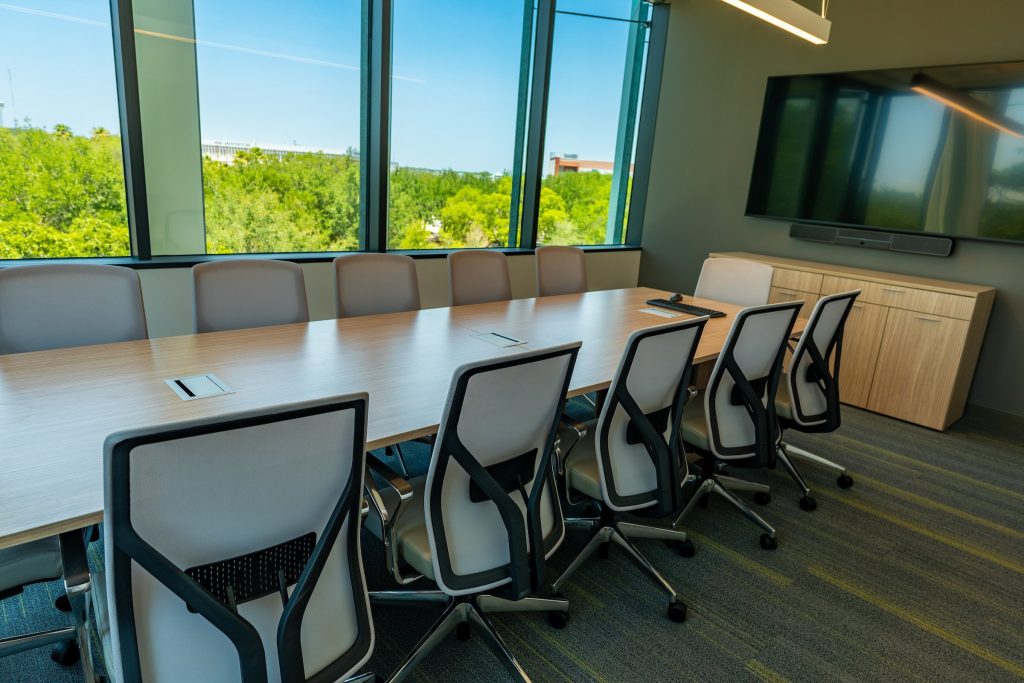
As companies continue to adapt to the complexities of the modern workplace, understanding the principles of ergonomics becomes increasingly vital. By focusing on organization and thoughtful workstation design, employers can not only empower their workforce but also create a healthier, more productive environment. A well-structured workplace paves the way for success, where both employee well-being and organizational goals can flourish.
DISCOVER MORE: Click here to learn about the prioritization matrix
Key Components of an Ergonomic Workspace
Creating an ergonomic workspace hinges on several interrelated factors that, when combined thoughtfully, contribute to the overall well-being of employees. These factors include furniture ergonomics, workspace organization, lighting, and technological integration. Understanding how these components work together can significantly enhance both comfort and productivity.
Furniture Ergonomics: The Foundation of Workplace Comfort
At the heart of ergonomic design is furniture selection, a crucial aspect that affects how employees interact with their workstations. Ergonomic chairs designed with adjustable features can cater to diverse body types, providing necessary lumbar support to prevent back pain. Height-adjustable desks allow employees to alternate between sitting and standing, promoting better posture and reducing sedentary behavior. This option has been embraced by numerous companies across the United States, demonstrating an awareness of the risks associated with prolonged sitting.
Additionally, monitor placement is another vital consideration. When screens are positioned at eye level, it minimizes the risk of neck strain and promotes better visual alignment. A well-structured workspace might include:
- Adjustable office chairs for personalized support
- Desks that accommodate both sitting and standing positions
- Monitors positioned to reduce glare and promote comfortable viewing angles
The Importance of Efficient Space Organization
After addressing furniture ergonomics, the next vital element is workspace organization. A strategically organized environment minimizes unnecessary movements and distractions, leading to a more efficient workflow. By employing ergonomic principles, companies can reduce the potential for workplace injuries. For instance, in settings such as manufacturing and healthcare, where rapid access to tools and supplies is essential, utilizing curated spaces can lead to significant improvements.
Key strategies for effective space organization include:
- Implementing tiered shelving systems within easy reach
- Creating clear pathways to reduce clutter and avoid trips
- Utilizing storage solutions that promote quick access to essential items
These practices not only streamline operations but also foster an environment where employees can sustain focus on their tasks without the constant interruption of seeking out tools. As tasks become more manageable and organized, the overall morale of the workforce tends to improve.
Lighting: A Crucial but Overlooked Element
While often overlooked, lighting is another pillar of ergonomic design. A well-lit workspace can prevent eye strain, headaches, and fatigue—all significant barriers to productivity. Maximizing natural light should be a priority whenever possible, as exposure to daylight has been shown to enhance mood and energy levels. However, adjustable artificial lighting can be an excellent alternative in environments lacking sufficient natural light. Ergonomically designed lighting solutions help employees customize brightness levels and reduce glare on screens, thereby fostering a conducive work atmosphere.
In conclusion, as businesses navigate the complexities of today’s work environment, understanding ergonomics and organization becomes critical. By focusing on furniture selection, workspace layout, and lighting, employers empower employees and pave the way for a healthier, more productive workplace. Investing in these ergonomic strategies is not merely about aesthetics; it is a proactive approach to workplace safety and employee satisfaction.
| Advantage | Benefit |
|---|---|
| Improved Posture | Encouraging ergonomic seating and monitor setups reduces strain and prevents musculoskeletal injuries. |
| Enhanced Concentration | Well-designed workspaces foster better focus by minimizing distractions and optimizing workflow. |
| Effective Organization | A structured office layout helps employees easily access materials, ensuring efficiency and productivity. |
| Mental Well-being | Natural elements and colors in workspace design can improve mood and reduce stress levels. |
An effective workplace design not only encompasses the physical layout but also pays attention to the mental aspects of work. Integrating ergonomic principles leads to improved health and a significant reduction in workplace injuries, which is crucial for maintaining employee morale and productivity. Furthermore, proper organization and strategic design elements contribute to creating an environment that is not only functional but inspiring. As organizations increasingly recognize the need for such designs, incorporating these strategies can yield substantial advantages, paving the way for both employee satisfaction and organizational success. Investing in ergonomics is more than a trend; it’s a necessary evolution toward a healthier, more productive workplace.
DISCOVER MORE: Click here to learn about the SMART method
Integrating Technology for Enhanced Ergonomics
In today’s fast-paced digital world, technology integration plays a pivotal role in fostering an ergonomic workspace. Employers are increasingly investing in innovative tools that not only enhance productivity but also prioritize the physical well-being of their workforce. From ergonomic keyboards and mice to specialized software that monitors employee posture, the right tech can combat the adverse effects of prolonged computer use.
For instance, ergonomic keyboards are designed to minimize wrist strain, promoting a natural hand position as employees type. Similarly, using a vertical mouse can reduce forearm twisting, significantly decreasing the risk of repetitive strain injuries (RSIs). Companies that provide these resources often report lower injury rates and increased employee satisfaction, highlighting the importance of ergonomic technology in modern workplaces.
Moreover, software solutions aimed at enhancing ergonomics are gaining popularity. Programs that remind employees to take breaks or adjust their workstation setup based on their posture can significantly mitigate the risks associated with long periods of sitting. Such tools act as gentle nudges, encouraging healthier habits that ultimately contribute to enhanced productivity.
Creating a Health-Conscious Workplace Culture
Beyond physical design, workplace culture plays a crucial role in how effectively ergonomic principles are implemented and maintained. Organizations that prioritize health and safety cultivate an environment where employees feel valued and empowered. This intentional culture shift can significantly reduce workplace injuries while boosting morale.
Employers can encourage health-conscious behaviors by offering wellness programs that include stretching exercises, ergonomic training sessions, and educational workshops on posture and proper body mechanics. Engaging employees in discussions about their workspace needs promotes a sense of ownership over their work environment, allowing for tailored adjustments that suit individual preferences.
Companies implementing such wellness programs often observe a marked decrease in absenteeism and healthcare costs, resulting in long-term financial benefits. For example, a study published by the American Journal of Preventive Medicine demonstrated that businesses with active wellness initiatives reported an 11% reduction in sick leave, illustrating the effectiveness of a proactive approach to health and ergonomics.
The Role of Remote Work in Ergonomic Considerations
As remote work continues to gain traction, organizations must adapt their ergonomic strategies to accommodate employees working from home. Remote work presents unique challenges, particularly concerning the absence of traditional ergonomic setups commonly found in office environments. Ensuring that remote workers have access to ergonomic assessments and resources is essential to mitigate the risks associated with suboptimal workspace conditions.
Employers can provide guidelines on creating an ergonomic home office, including recommendations for types of furniture, optimal desk placement, and effective lighting solutions. Furthermore, companies may consider offering stipends for equipment such as ergonomic chairs or standing desks to ensure their remote workforce remains comfortable and productive.
As highlighted in a recent 2022 survey by FlexJobs, 86% of employees expressed that an ergonomic workspace significantly affects their job satisfaction. Thus, addressing these needs, even in a home environment, must be part of a comprehensive ergonomic strategy that respects the evolving nature of work.
Ultimately, embracing the landscape of ergonomics in workplace design not only promotes safety and efficiency but also equips organizations to build a sustainable future where employee health is prioritized and productivity flourishes.
DISCOVER: Click here to unlock effective time-blocking techniques
Conclusion: The Future of Ergonomics in the Workplace
As organizations strive to enhance productivity while safeguarding the health and well-being of their employees, ergonomics emerges as a vital component of workplace design. By integrating thoughtful design principles with cutting-edge technology, companies can create environments that not only prevent injuries but also elevate employee focus and engagement. Steps taken toward implementing ergonomic solutions, from providing proper equipment to fostering a culture of health, can lead to measurable outcomes, such as decreased absenteeism and improved job satisfaction.
The increasing trend of remote work further underscores the necessity of addressing ergonomic considerations in diverse settings. As the workforce adapts to various work environments, organizations that prioritize comprehensive ergonomic strategies will find themselves at the forefront of employee retention and productivity enhancement. Offering adjustable furniture stipends or virtual ergonomic training can bridge gaps and ensure that all employees, regardless of location, work comfortably and efficiently.
Consequently, the intersection of ergonomics and organizational design is not merely a workplace trend; it is an essential and evolving commitment towards sustainable practices that champion employee welfare. Investing time and resources into understanding and implementing ergonomic strategies can transform the work experience, leading to a healthier, more productive workforce ready to meet the challenges of the modern economy. With the right approach to ergonomics, companies not only contribute to employee health but also position themselves for long-term success in an increasingly competitive landscape.
Related posts:
The Importance of an Organization Routine: Establishing Daily Habits to Maintain Work Efficiency
Temporal Organization Strategies: Techniques for Managing Time and Work Space in Harmony
The Influence of Colors and Decoration Styles on Motivation and Focus at Work
The Psychology Behind Workplace Organization: How the Environment Affects Behavior and Performance
The Influence of Music and Ambient Sounds on the Organization of Work Space
The Importance of Lighting and Ergonomics in Workplace Organization

Linda Carter is a writer and productivity and personal organization specialist focused on helping readers build better routines, manage their time, and stay on top of daily priorities. With experience covering practical planning methods, habit-building strategies, and tools for organization, Linda shares actionable guidance on our platform. Her goal is to empower readers with clear, realistic tips to work smarter, reduce overwhelm, and stay consistent over time.