
How Simulation Games Help in Problem Solving in Work Environments

Enhancing Problem-Solving Skills with Simulation Games
In an era where challenges in the workplace continue to evolve, finding effective solutions is more vital than ever. Simulation games have emerged as innovative tools, transforming the way professionals tackle problem-solving. These interactive experiences offer unique insights into complex situations and allow players to practice strategic thinking and decision-making in a controlled setting.
These games are not just entertainment; they provide realistic environments for individuals to experiment and learn. For example, organizations like Boeing have used simulation games to simulate flight scenarios, enabling engineers to better understand aircraft design and function without the risks associated with actual flights. Here’s why they are captivating the attention of organizations:
- Engagement: Employees are more motivated and involved when learning through gameplay. Studies show that immersive gameplay keeps attention levels high, leading to better retention of information.
- Safe Environment: Mistakes can be made without real-world consequences, encouraging experimentation. This safety net allows employees to try out innovative ideas or strategies without the fear of negatively impacting their careers or the company.
- Team Collaboration: Many simulation games promote teamwork, fluency in communication, and strategic planning. By working together to solve complex challenges, team dynamics improve, fostering a more collaborative corporate culture.
Moreover, the benefits extend beyond mere enjoyment. Companies have reported improvements in:
- Critical Thinking: Players develop analytical skills as they navigate complex scenarios. For instance, a simulation involving crisis management can teach employees to evaluate data rapidly and determine the best course of action.
- Adaptability: Employees learn to adjust strategies in response to changing situations. In a fast-paced simulation, for instance, players may have to pivot their approach due to unexpected developments, mirroring real-life business challenges.
- Decision-Making: Quick thinking is refined through fast-paced challenges that require timely choices. In a competitive simulation scenario, the ability to make informed decisions under pressure becomes crucial.
As organizations in the United States increasingly incorporate these tools, the potential for enhancing productivity and fostering innovation becomes clear. Industries ranging from healthcare to finance are recognizing the value of simulation games as effective training tools. This intersection of simulation games and workplace problem-solving may just be the key to unlocking new avenues for success. Encouraging employees to embrace these skill-building platforms not only promotes personal growth but also drives the organization forward in today’s complex business landscape.
DISCOVER MORE: Click here to learn how video games can boost focus
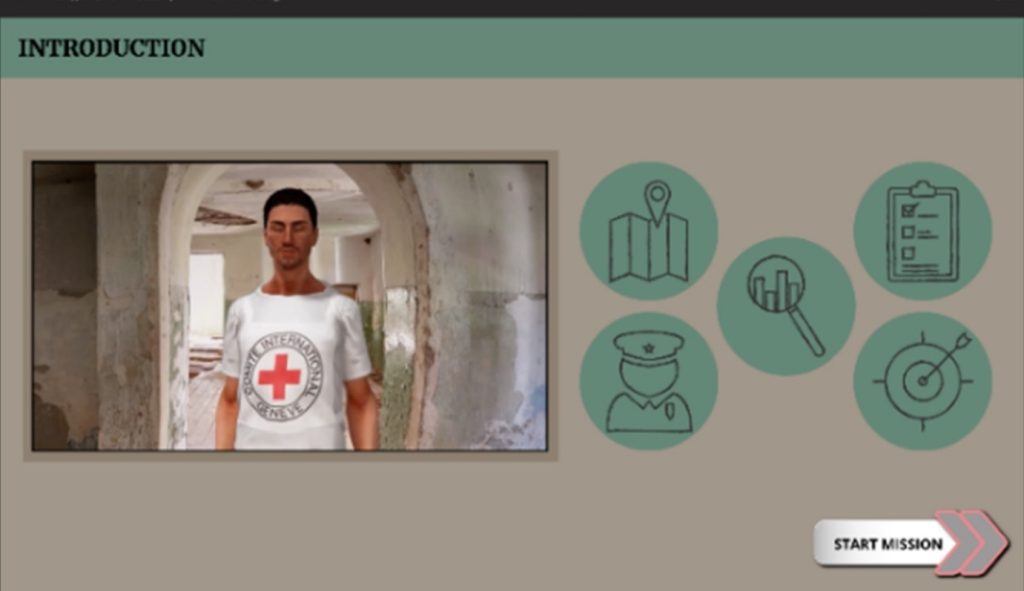
The Mechanisms Behind Simulation Games
At their core, simulation games serve as intricate models of real-world scenarios, presenting users with dynamic environments that demand critical thinking and swift decision-making. These tools are designed to replicate complex systems, immersing participants in situations where they must utilize problem-solving skills often required in professional settings. By introducing realistic constraints and challenges, simulation games allow players to engage in practical learning experiences that enhance their capabilities in tackling workplace issues.
One of the most significant advantages of simulation games is their capacity to foster critical thinking. As players encounter complex challenges, they are prompted to analyze information, weigh risks, and evaluate potential outcomes. For instance, in a business simulation, participants may be tasked with managing a budget while responding to changing market conditions, forcing them to reassess priorities continuously. This process not only sharpens analytical skills but also instills a more profound understanding of data-driven decision-making, a crucial aspect in many industries, from marketing to finance.
The aspect of adaptability is another crucial feature that simulation games bring to the table. Players often face unexpected challenges that require them to adjust their strategies on the fly. For example, in a healthcare simulation, individuals might need to respond to an influx of patients due to a sudden health crisis, necessitating a rapid reevaluation of resource allocation and staffing. This mirrors the unpredictability of real-world business environments, where flexibility and quick-thinking can make the difference between failure and success.
Benefits of Using Simulation Games in the Workplace
As organizations explore the implementation of simulation-based training, several key benefits become evident:
- Real-Time Feedback: Players receive immediate responses to their decisions within the game, allowing them to learn from mistakes and understand the consequences of their actions swiftly.
- Enhanced Engagement: The interactive nature of simulation games captures the interest of employees, leading to significant boosts in motivation and participation in training programs.
- Cross-Disciplinary Learning: Many simulations draw upon various fields, encouraging employees from diverse backgrounds to collaborate and share insights, thus enriching the problem-solving process.
- Performance Metrics: Companies can track performance and progress through simulation analytics, providing valuable insights into employee strengths and areas for improvement.
Overall, the integration of simulation games in workplace training represents a large step toward developing a workforce that is both adaptable and skilled in problem-solving. As these games continue to evolve, organizations are likely to uncover even more innovative applications that will further enhance their effectiveness in navigating the complexities of modern business environments.
Understanding the Role of Simulation Games in Problem Solving
Simulation games have emerged as a powerful tool for enhancing problem-solving skills in work environments. These games are not just about entertainment; they provide an immersive experience that fosters critical thinking and creative solutions. Participants engage in realistic scenarios that mimic actual workplace challenges, allowing them to experiment with strategies and approaches in a risk-free setting. This practical application makes it easier to grasp complex concepts and cultivate an adaptive mindset necessary for tackling today’s unpredictable business landscape.
Key Benefits of Simulation Games
One of the main advantages of simulation games is their ability to promote teamwork and collaboration. As teams work together to solve challenges, they learn how to communicate effectively and leverage each member’s unique strengths. This collaborative experience helps build trust and enhances group dynamics, which are essential for a productive workplace. Additionally, simulation games allow players to engage in trial and error, significantly reducing the fear of failure. By experiencing the consequences of their decisions in a controlled environment, employees are more likely to think creatively and spearhead innovative solutions.
Practical Insights from Simulation Games
Moreover, simulation games provide immediate feedback, making them an effective educational tool. Participants can see the direct impact of their choices, reinforcing learning outcomes and encouraging reflective thinking. This instant feedback loop can help identify weaknesses in individual problem-solving approaches and prompt discussions on methods for improvement. Furthermore, simulation games can address various business skills, including strategic planning, resource allocation, and risk management, thus offering comprehensive training modules tailored to specific organizational needs.
| Category | Advantages |
|---|---|
| Team Collaboration | Fosters communication and trust among team members. |
| Risk-Free Learning | Encourages trial and error without the fear of real-world consequences. |
Through these engaging experiences, simulation games not only enhance problem-solving capabilities but also contribute to a more equitable and responsive organizational culture. Employees are empowered to take initiative and innovate, leading to a more dynamic workplace ready to face future challenges.
DIVE DEEPER: Click here to discover how strategy games can boost emotional resilience
Transforming Learning through Experiential Engagement
Another pivotal aspect of simulation games in the workplace is their ability to foster an environment conducive to experiential learning. While traditional training methods often rely on rote memorization and passive absorption of information, simulation games encourage participants to immerse themselves actively in the learning process. This experiential approach not only enhances retention but also empowers employees to experiment and test their ideas without real-world repercussions.
For instance, in a manufacturing simulation game, employees might engage in activities that require them to optimize production lines, handle machinery malfunctions, or manage supply chain disruptions. Such scenarios let participants implement solutions in real time, thus honing their decision-making skills and reinforcing their understanding of operational efficiencies. This hands-on experience can lead to greater confidence when handling similar challenges in the actual work environment.
The Role of Collaboration and Communication
Moreover, simulation games often require teamwork and collaboration, which are essential skills in many modern workplaces. By designing scenarios that necessitate group decision-making, employees practice vital communication skills and learn to navigate complex interpersonal dynamics. For example, in a project management simulation, team members might be tasked with developing a product from concept to market. In doing so, they will need to communicate effectively, delegate tasks, and manage conflict—simulating the teamwork needed to overcome real project challenges.
Research indicates that group-based learning environments improve critical thinking and problem-solving abilities. According to a study by the Association for Supervision and Curriculum Development (ASCD), collaborative learning experiences can lead to as much as a 50% increase in knowledge retention. This is particularly beneficial in industries that rely heavily on cross-functional teams, such as technology and healthcare.
Incorporating Real-World Data and Trends
A key advantage of simulation games is the incorporation of real-world data and trends, making these tools exceptionally relevant. Many simulations leverage current market analytics, thereby allowing employees to analyze data in context and apply theories to practice. For instance, a marketing simulation game may ask participants to respond to actual market conditions—from consumer feedback to competitive actions—turning theoretical applications into immediate situational responses. This not only aids in understanding but also prepares employees to think critically about current market strategies.
Furthermore, simulation games can act as a springboard for deep discussions about broader business concepts. When immersed in these realistic scenarios, employees often explore the implications of their decisions, leading to a richer understanding of economic principles, risk assessment, and long-term strategic planning. Such discussions can generate innovative ideas and solutions that may not arise in typical training settings.
In the era of corporate learning that demands agility and innovative thinking, simulation games emerge as a transformative tool for problem-solving in work environments. By fostering a culture of experiential learning, encouraging collaboration, and incorporating real-world data, they not only prepare employees for immediate challenges but also equip them with skills that are essential for future success. As organizations continue to adapt to rapid changes in the marketplace, embracing the potential of simulation games could be a game-changer in cultivating a workforce adept at problem-solving.
DIVE DEEPER: Click here to discover the benefits of collaborative puzzles
Conclusion: Unlocking the Future of Problem Solving in Work Environments
As organizations navigate an increasingly complex and competitive landscape, simulation games have emerged as a vital asset in enhancing problem-solving skills among employees. By immersing participants in realistic scenarios, these games facilitate a shift from traditional training methods to a more engaging, hands-on learning experience. This not only bolsters retention and application of knowledge but also cultivates an atmosphere where creativity and critical thinking can thrive.
Moreover, the emphasis on collaboration and communication within simulation games encapsulates the essence of modern workplace dynamics. As employees engage in team-based challenges, they refine their ability to convey ideas, delegate responsibility, and navigate complex interpersonal relationships—skills that are indispensable in today’s workplace.
With the incorporation of real-world data and trends, simulation games provide relevant, context-driven challenges that empower employees to make informed decisions. This strategic approach helps bridge the gap between theory and practice, preparing teams to address emergent business situations with confidence and agility. Ultimately, it indicates a shift toward a more resilient workforce equipped to handle the unforeseen challenges that arise in an unpredictable environment.
In situating simulation games at the heart of corporate learning, companies invest not only in the immediate skill development of their employees but also in building a culture of innovation and adaptability. As businesses contemplate their approach to workforce training, exploring the potential of simulation games could unlock new pathways to effective problem-solving, ensuring they remain at the forefront of their industries.
Related posts:
The Use of Mathematical Puzzles to Stimulate Critical Thinking in Children
The Role of Word Games in Improving Problem-Solving Skills
The Influence of Adventure Games on the Improvement of Analysis and Problem-Solving Skills
The Psychology Behind Logic Games: How Problem Solving Increases Creativity
How Video Games Foster Resilience and the Ability to Resolve Complex Dilemmas
How Interactive Puzzles Enhance Collaboration and Group Problem-Solving

Linda Carter is a writer and puzzle expert specializing in mind games, brain teasers, and cognitive challenges. With extensive experience helping individuals enhance their problem-solving skills and think critically, Linda shares her knowledge on our platform. Her goal is to empower readers with practical advice, engaging puzzles, and strategies to sharpen their minds and achieve success in the captivating world of mind games and puzzles.