
The Impact of Workspace Organization on Productivity
The organization of your workspace can significantly influence your personal productivity. The right layout, tools, and environment can either boost focus or create distractions, ultimately shaping your workday experience. As we dive deeper into this topic, it’s important to consider how configuration, ambiance, and individual personalization can work together to enhance efficiency.
Layout
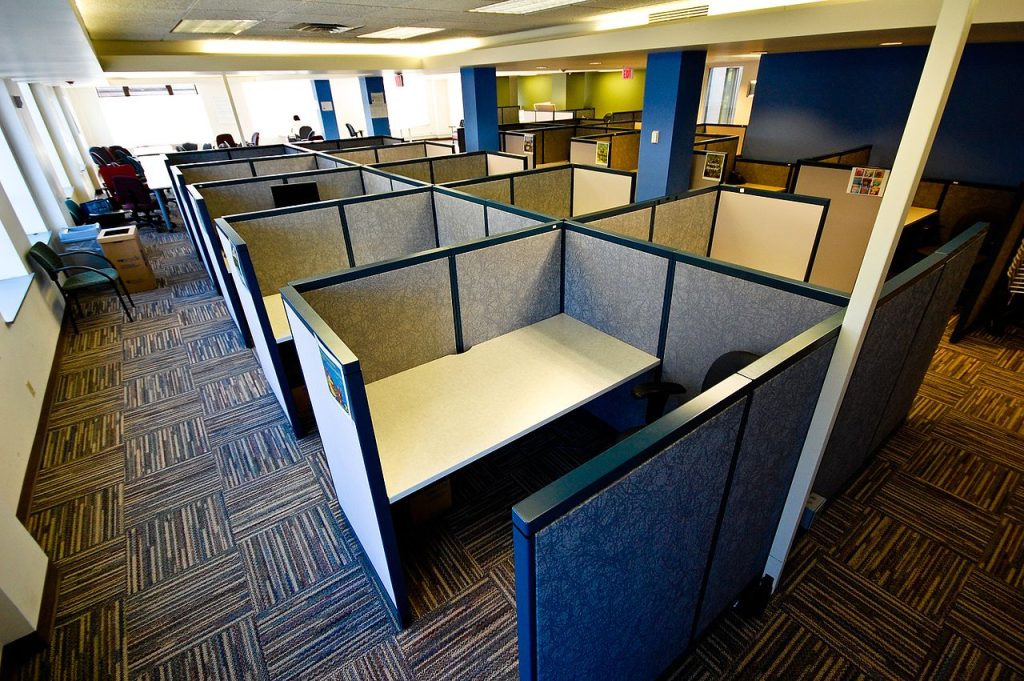
The arrangement of furniture within a workspace plays a crucial role in dictating how one interacts with their environment. An effective layout facilitates not just movement but also accessibility to essential tools and resources. For example, placing frequently used items within arm’s reach can minimize interruptions, allowing for a smoother workflow. In a typical office setup, an open layout may encourage collaboration, while a cubicle arrangement could provide privacy for concentration. This choice impacts productivity levels—employees in flexible, well-structured spaces often report greater job satisfaction.
Lighting
Lighting is another critical factor that can greatly influence productivity. Natural light, which has been shown to enhance mood and energy levels, can dramatically improve focus and alertness. According to a study conducted by the University of Pennsylvania, exposure to natural light was tied to a 15% increase in productivity levels in office settings. In contrast, poorly lit environments might lead to eye strain and fatigue, promoting a sluggish work ethic. Companies are increasingly recognizing these benefits, with many opting for brighter, well-lit spaces to boost their employees’ efficiency.
Clutter
When it comes to workspace organization, the concept of clutter cannot be overlooked. A clean desk is more than just aesthetically pleasing—it promotes clarity of thought and minimizes distractions. A study by the Princeton University Neuroscience Institute found that too much clutter can overwhelm the brain and make it harder to focus on required tasks. Therefore, implementing regular cleaning routines can help maintain order and enhance the overall work experience.
Personalization and Creativity
Personalization in the workspace, such as incorporating personal items or plants, has been linked to enhanced creativity and emotional well-being. For instance, research published in the Journal of Environmental Psychology suggests that workers who personalize their spaces are more engaged and innovative. Adding elements such as family photos, art pieces, or greenery can create a sense of ownership and comfort, making the workspace feel inviting and stimulating. Indeed, the American Psychological Association emphasizes the need for environments that nurture both comfort and efficiency, showcasing the profound connection between personalization and workplace effectiveness.

Throughout this examination, it becomes clear that various aspects of workspace organization are intricately linked to productivity. By understanding these elements—layout, lighting, and personalization—everyone has the opportunity to transform their workspace into a hub of efficiency and creativity. Whether it’s rethinking your office design or introducing a plant to your desk, small changes can create a significant impact on how you perform and feel at work.
DIVE DEEPER: Click here to learn more
Creating a Productive Environment: Key Elements to Consider
As we explore the relationship between workspace organization and personal productivity, it’s essential to recognize that the foundation of a productive environment is built upon several key elements. Each of these elements contributes uniquely to shaping the work experience and can be adjusted to meet individual needs and preferences. By examining dimensions such as sound, ergonomics, and technology integration, it becomes evident how these factors can drastically enhance or hinder productivity.
Acoustic Design
Sound levels in the workplace are often overlooked yet are crucial to maintaining focus. In an era where open-plan offices are gaining popularity, noise distraction becomes a real concern. Research shows that ambient noise and conversations can disrupt concentration and lead to decreased productivity. A study by the Journal of Applied Psychology indicated that excessive noise exposure could lead to a 30% drop in workplace performance. To combat this issue, companies are now investing in sound-absorbing materials, designated quiet zones, and even noise-canceling headphones to create a more focused auditory environment. Here are some strategies to consider for sound management:
- Incorporating acoustic panels in office designs
- Designating quiet areas for focused work
- Utilizing white noise machines or apps
- Encouraging noise discipline among team members
Ergonomics
The significance of ergonomics in workspace organization cannot be overstated. Poor posture and uncomfortable seating can lead to physical strain, reducing overall work efficiency. A survey by the U.S. Bureau of Labor Statistics highlighted that employees who reported discomfort at their workstations had a productivity drop of up to 20%. Conversely, ergonomically-designed furniture, which promotes healthy posture and movement, can lead to improved well-being and performance. Key ergonomic considerations include:
- Adjustable chairs with lumbar support
- Desks at appropriate heights for standing or sitting
- Placement of monitors to minimize neck strain
- Strategic organization of equipment to reduce repetitive motions
Technology Integration
In today’s digital landscape, technology plays a pivotal role in enhancing productivity. The organization of tools and devices must support the smooth operation of tasks. An ineffective tech setup can lead to bottlenecks and frustration. A report from McKinsey & Company indicated that companies utilizing the right technology tools can increase productivity by as much as 20-30%. Essential components to evaluate include:
- Compatibility of software and hardware systems
- Availability of reliable internet connectivity
- Ease of access to collaborative tools
- Streamlined processes through automation
By thoughtfully considering these elements—acoustic design, ergonomics, and technology integration—individuals and organizations can significantly improve their workspace organization, thereby enhancing personal productivity. As you evaluate your workspace, ask yourself whether these critical aspects are aligned with your productivity goals. Creating a conducive environment is not just about aesthetic appeal; it’s about fostering a sustainable work-life routine that empowers you to thrive.
| Category | Details |
|---|---|
| Workspace Design | The layout and organization of furniture and equipment to create a harmonious working environment. |
| Productivity Boost | A well-organized workspace reduces distractions and enhances focus, leading to increased efficiency in tasks. |
| Personalization | Allowing individuals to customize their workspace can motivate and promote a sense of ownership and accountability. |
One significant aspect of how the organization of workspace impacts personal productivity is through workspace design. The strategic arrangement of furniture and resources can either facilitate or hinder work. For instance, an open plan office might encourage collaboration but may also lead to distractions if not managed properly. Moreover, the inclusion of ergonomic furniture can help in reducing fatigue, which subsequently improves concentration and work output. Studies show that individuals who have a well-organized environment can complete tasks up to 20% faster than those in chaotic settings.Additionally, when employees have the opportunity to personalize their workspace, such as adding personal items or organizing their desks according to preference, it leads to increased motivation and satisfaction at work. Engaging with the environment not only boosts morale but can also enhance creativity and innovation, essential elements in an effective workplace. Thus, understanding these nuances in workspace organization is vital for both employees and employers seeking to enhance overall productivity.
DISCOVER MORE: Click here to dive deeper
The Role of Personalization and Flexibility in Workspace Design
As we delve deeper into how workspace organization affects personal productivity, another critical element emerges: the importance of personalization and flexibility. In modern work environments, the one-size-fits-all approach is becoming less effective. Employees thrive when they have the autonomy to customize their workspace according to their unique preferences and tasks. This leads to higher engagement and greater efficiency in tasks. Research conducted by Steelcase found that employees who can personalize their work environments are 26% more satisfied and notably more productive.
Personalization of Workspace
The ability to personalize one’s workspace can transform a sterile office into an inspiring environment. Personal items such as family photos, motivational quotes, and plants can enhance emotional well-being and stimulate productivity. A study by Future Workplace indicated that 70% of respondents believed personalization in their workspace improved their overall satisfaction and productivity levels. Some effective strategies for personalizing workspace include:
- Incorporating elements that reflect personal tastes, like artwork or decor
- Creating a space that supports both work and relaxation, such as adding comfortable seating
- Utilizing color psychology by choosing shades that promote focus or creativity
- Bringing in greenery, as studies show that plants in the workplace can boost mood and concentration levels
Flexibility in Workspace Layout
Flexibility in workspace layout is also paramount for promoting productivity. With the rise of hybrid work models, organizations must cater to diverse working styles and preferences. For example, open-concept designs may work well for collaborative tasks, while dedicated quiet zones are essential for focused work. According to HBR, allowing employees to choose between working from home or the office can lead to a 20% increase in productivity. Important considerations for fostering workplace flexibility include:
- Offering various working environments, such as lounges, conference rooms, or breakout spaces
- Providing adaptable furniture that can be easily reconfigured for collaboration or individual work
- Implementing ‘hot desking’ policies that allow employees to select their workspace for the day based on their tasks
- Encouraging outdoor workspaces or remote work options to enhance creativity
Impact of Organizational Culture
The culture of an organization also heavily influences workspace productivity. A study by Gallup found that organizations with strong cultures and engaged employees see a definitive boost in productivity, higher employee retention, and improved performance outcomes. This demonstrates that a supportive and responsive management approach, combined with a well-designed workspace, creates an ideal setting for productivity. Key factors that influence organizational culture include:
- Encouraging open communication and feedback regarding workspace modifications
- Creating a culture of trust where employees feel empowered to make decisions about their own workspaces
- Fostering team collaboration and connection through shared spaces and programming events
- Recognizing and rewarding individual contributions, which reinforces the value of each employee’s unique workspace setup
Ultimately, the ability to personalize workspaces and the emphasis on flexibility not only enhance an employee’s sense of belonging but also drive productivity. By acknowledging the individuality of workers and accommodating different needs, organizations can cultivate environments where productivity flourishes naturally.
DON’T MISS: Click here to enhance your productivity
Conclusion: Maximizing Personal Productivity Through Strategic Workspace Organization
As we have explored, the organization of workspaces plays a pivotal role in shaping personal productivity. From personalization to flexibility, the ability for employees to create environments that reflect their unique needs is essential in today’s diverse work landscape. Personalization not only fosters a sense of ownership but also enhances emotional well-being, as reflected in the impressive statistics showing increased satisfaction and productivity.
Furthermore, a flexible workspace that accommodates various working styles—whether through open-concept designs or quiet zones—serves to empower individuals and promote collaboration. Notably, the rise of hybrid work models has underscored the necessity for adaptable arrangements, leading to significant productivity gains. The data speaks volumes; organizations that harness these concepts witness remarkable improvements in employee outcomes.
Moreover, an organization’s culture solidifies the impact of workspace design. Establishing an environment rooted in trust, communication, and recognition not only enhances employee engagement but also fosters a productive atmosphere. As companies delve deeper into these strategies, they are likely to discover that the optimal workspace is one that reflects both individual and collective aspirations.
In conclusion, by prioritizing the organization of workspace and cultivating a supportive culture, businesses can significantly elevate personal productivity. Encouraging employees to embrace their unique setups will not only advance their personal efficiency but also drive overall organizational success. For those looking to reinvent their workspaces, the journey begins with understanding and implementing these essential elements. The time is ripe for organizations to make strategic changes that would allow productivity to flourish in every corner of the workspace.

Linda Carter is a writer and productivity and personal organization specialist focused on helping readers build better routines, manage their time, and stay on top of daily priorities. With experience covering practical planning methods, habit-building strategies, and tools for organization, Linda shares actionable guidance on our platform. Her goal is to empower readers with clear, realistic tips to work smarter, reduce overwhelm, and stay consistent over time.