
A Smarter Route to Better Productivity
In a time when multitasking and nonstop alerts are part of everyday life, staying concentrated and productive has become harder for many people. With so many interruptions competing for attention, it is easy for efficiency to drop and frustration to rise. Because of this, more people have been looking for practical ways to work with greater consistency. One of the most widely used methods is the Pomodoro Technique, a system built around focused work sessions followed by short, intentional breaks.
What the Pomodoro Technique Is
The Pomodoro Technique was created by Francesco Cirillo in the late 1980s. Its core idea is simple: divide work into structured blocks of focused time, with brief pauses in between, so concentration remains strong without leading to mental exhaustion. The method is generally organized around three main parts:
- Focused work sessions: A traditional Pomodoro lasts 25 minutes. During this period, the goal is to dedicate your full attention to just one task and avoid distractions.
- Short pauses: After each session, a 5-minute break is taken. This gives your mind a moment to reset, whether by stretching, standing up, or stepping away from the screen.
- Longer recovery breaks: After four Pomodoros, it is recommended to take a longer pause of around 15 to 30 minutes. This helps restore energy before starting another cycle of focused work.
This structured approach makes large or intimidating projects feel more manageable by breaking them into smaller sections. Each completed Pomodoro creates a sense of forward movement, which can make the overall workload feel less overwhelming.
Research and user experience both suggest that the Pomodoro Technique can be highly effective. People who incorporate it into their routines often notice several benefits, such as:
- Better concentration and mental clarity: Focusing on one task at a time often leads to deeper engagement and stronger understanding of the work being done.
- Less mental exhaustion: Frequent pauses help prevent the brain from becoming overloaded, which supports longer periods of productive effort throughout the day.
- Stronger motivation: Completing multiple Pomodoros creates visible progress, which can improve morale and make it easier to stay productive over time.
Why This Technique Is Effective
The strength of the Pomodoro Technique comes from the way it fits the brain’s natural ability to sustain attention. Many studies suggest that concentration tends to stay strongest for a limited period before mental performance begins to drop. Working in focused bursts of about 25 minutes, followed by brief recovery periods, allows people to use their mental energy more effectively while reducing the impact of distractions.
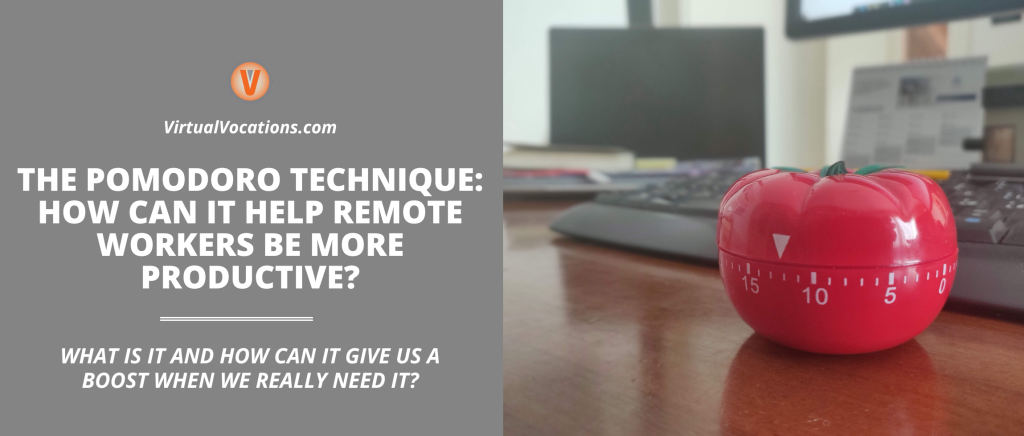
In many workplaces, especially those with high pressure and constant demands, the Pomodoro Technique can be especially helpful. A graphic designer managing several client projects, for example, may find it much easier to make progress when each assignment is divided into smaller, clearly defined work sessions. Learning to use this system well can improve not only output, but also the overall experience of working.
Ultimately, the Pomodoro Technique offers a practical way to handle the demands of modern work with more control, helping people tap into their potential while building healthier and more sustainable habits.
DIVE DEEPER: Click here to learn why rest matters
Why So Many People Benefit from the Pomodoro Technique
One of the reasons the Pomodoro Technique continues to appeal to so many professionals is that it is both simple and effective. Unlike older productivity approaches that encourage long, uninterrupted work periods, this method breaks work into shorter cycles and intentionally includes breaks. That structure changes the way people think about time and effort, often making work feel more manageable and productive.
At the center of this method is the concept of time blocking, which means dividing your day into specific segments dedicated to focused work. This can reduce the stress that comes from staring at large deadlines or complicated projects. It also helps create smaller milestones, which can make progress feel more visible and motivating. Research suggests that people often perform better when they work within defined time limits, because the brain begins to associate those periods with concentration and action.
Main Benefits of Using the Pomodoro Technique
The value of the Pomodoro Technique goes beyond simply finishing tasks. Here are some of the benefits that often make a real difference in day-to-day productivity:
- Better control over tasks: Large projects become easier to handle when they are split into smaller timed sessions. Each completed Pomodoro creates a sense of progress that can build momentum throughout the day.
- Lower stress: The scheduled pauses give people time to mentally reset, which can reduce tension and create more room for creativity and clearer thinking.
- Higher productivity: The structure of the method encourages people to begin tasks rather than postpone them, helping reduce procrastination and keep work moving.
- Stronger awareness of time: Over time, using this method can improve your ability to estimate how long different tasks actually take, which leads to better planning.
These results are not based only on personal stories. A number of studies have pointed to noticeable gains in efficiency when people use time-blocking strategies. In one case study involving employees at a technology company, participants who adopted the Pomodoro Technique reported a 25% increase in productivity after only a few weeks.
This method is especially relevant in demanding work cultures, where constant pressure can easily lead to burnout or disengagement. The Pomodoro Technique helps counter those issues by creating a rhythm that supports both performance and recovery.
As we look more closely at how to apply the Pomodoro Technique in real life, it becomes important to understand how to fit it into your routine and how modern technology can make the process even more effective. These details can make a major difference for anyone who wants to manage their workload with greater intention.
| Advantage | Description |
|---|---|
| Stronger Focus | Working in timed sessions encourages deep concentration and helps reduce distractions during each block. |
| Less Burnout | Regular breaks support recovery, which can lead to lower fatigue and a healthier long-term work rhythm. |
| Better Time Use | Setting clear work periods makes it easier to prioritize tasks and build a more organized and efficient day. |
| Greater Accountability | Tracking finished Pomodoros builds a sense of progress and encourages self-discipline and consistency. |
Created by Francesco Cirillo, the Pomodoro Technique changed the way many professionals think about productivity. By combining focused work with purposeful breaks, it becomes easier to sustain attention without feeling overwhelmed. The improved focus that comes from defined intervals helps limit distractions and makes concentrated work more realistic. At the same time, the built-in pauses help reduce the chance of burnout and allow people to maintain their energy throughout the day.
This method also improves how people manage their time, since tasks are approached in a more deliberate and organized way. Beyond efficiency, it increases personal responsibility. Watching the number of completed Pomodoros grow creates a real sense of achievement and helps people take ownership of their habits. Over time, this can lead to more stable and lasting productivity.
DISCOVER MORE: Click here to improve your productivity
How to Bring the Pomodoro Technique into Your Routine
To fully benefit from the Pomodoro Technique, it helps to make it part of your everyday workflow. Although the concept is straightforward, using it well requires consistency and a bit of planning. Below are some practical steps that can help you integrate the method into your routine and improve the way you work.
Steps for Using the Pomodoro Technique Well
- List your tasks first: Start the day by writing down what needs to be done. Decide what matters most and estimate how much time each task may require. This helps turn a vague workload into something easier to organize.
- Use a timer: A standard Pomodoro is 25 minutes of work followed by a 5-minute break. A timer helps protect that structure. There are many apps built specifically for this purpose, including options like Forest and Focus Booster.
- Make your breaks count: Instead of filling your breaks with more screen time, choose actions that actually refresh you. A short walk, a glass of water, a bit of stretching, or simply stepping away from your desk can help restore focus.
- Review your progress: After a few Pomodoros, take a longer break and look back at what you completed. Use that moment to notice what worked well and what could be improved before continuing.
Another major part of using this technique successfully is creating a better work environment. A clean space, with fewer unrelated alerts and less clutter, can make a noticeable difference in concentration. Having a dedicated place to work also helps signal to your brain that it is time to focus.
How Technology Can Strengthen Time Blocking
In a world shaped by digital tools, there are plenty of resources that can make the Pomodoro Technique even more effective. Beyond simple timers, many productivity apps help combine time blocking with task management. Tools like Todoist and TickTick allow users to organize tasks into time-based blocks, making it easier to see how the day is structured and how time is being used.
Some of these apps also provide insights and reports, which can help users identify patterns in their productivity. For example, you might notice that certain tasks always take longer than expected or that you tend to focus better at a particular time of day. Information like this can help refine your routine and make your work sessions more effective.
Collaboration platforms such as Slack and Trello can also support teams using the Pomodoro framework. When team members align their work blocks, collaboration can become more organized and less fragmented, especially in remote work settings where distraction and isolation are more common.
Real Results and Supporting Evidence
Professionals in many different areas have reported positive results after adopting the Pomodoro Technique. Writers, programmers, teachers, and other workers often describe improvements in focus, consistency, and task completion. A study from the University of Illinois found that people who used this approach showed noticeably better concentration, reinforcing the idea that the method can genuinely improve performance.
In surveys about workplace satisfaction, employees who used time-blocking systems like the Pomodoro Technique often said they felt more in control of their workload and less vulnerable to burnout. This is especially relevant in modern work culture, where constant interruptions and digital demands can easily pull attention away from meaningful work.
As you experiment with the different aspects of the Pomodoro Technique, think about how to adapt it to fit your own work style and personal goals. One of the method’s strongest qualities is its flexibility. When used thoughtfully, it can help improve productivity while also supporting a healthier and more balanced relationship with work.
DIVE DEEPER: Click here to learn how breaks can increase productivity
Conclusion: Make the Most of Focused Time Blocks
In a busy world full of distractions, the Pomodoro Technique offers a practical and refreshing way to improve focus and efficiency. By dividing work into clear time blocks, this method encourages deep attention while also making space for the breaks that are essential for mental recovery. As shown throughout this article, the Pomodoro Technique is more than a simple productivity trick. It is a structured way to take better control of your workday and create a more sustainable rhythm.
Bringing this method into your daily routine is relatively simple, and it can be adapted to fit different lifestyles and responsibilities. Whether you are a student balancing multiple assignments or a professional managing demanding projects, the ability to define tasks, review progress, and build a better work environment can make a major difference. Digital tools can make the experience even smoother by helping you track patterns and adjust your approach over time.
Real-world success stories and research both point to the same conclusion: the Pomodoro Technique can have a powerful effect on focus, consistency, and overall work quality. From reducing burnout to improving task completion, the benefits are easy to see. As you begin exploring ways to work more effectively, it may be worth trying this technique for yourself and adjusting it to match your preferences.
In the end, the Pomodoro Technique helps turn scattered moments into meaningful progress. By adopting this time-blocking strategy, you can increase your output while also building a more balanced and satisfying way of working.
Related posts:

Linda Carter is a writer and productivity and personal organization specialist focused on helping readers build better routines, manage their time, and stay on top of daily priorities. With experience covering practical planning methods, habit-building strategies, and tools for organization, Linda shares actionable guidance on our platform. Her goal is to empower readers with clear, realistic tips to work smarter, reduce overwhelm, and stay consistent over time.