
The Importance of Time Management and Workspace Organization
As we navigate through an ever-evolving work landscape, the ability to effectively manage time and organize one’s workspace stands out as a cornerstone of productivity. With the majority of U.S. employees now experiencing either remote or hybrid work scenarios, the need for innovative strategies to optimize both our schedules and physical environments has become paramount.
Time management involves not just keeping track of work hours, but establishing a structured methodology that allows individuals to define their priorities and execute tasks efficiently. It can encompass a variety of strategies, from the traditional to the more modern techniques. For example, the classic method of maintaining a to-do list helps keep tasks in check, while newer ideas like utilizing digital calendar applications can facilitate reminders and deadline management more dynamically.
One particularly effective technique is time-blocking, where individuals allocate specific chunks of their day to focus exclusively on particular tasks. This method can reduce the overwhelming feelings of multitasking and distraction that many encounter in a bustling workplace. By dedicating uninterrupted periods to work, individuals can immerse themselves in complex projects, enhancing both quality and productivity. For instance, tech professionals might allocate mornings for coding and afternoons for meetings, maximizing their cognitive strengths during peak performance hours.
Workspace Design and Its Impact
Equally vital is the organization of one’s workspace, which plays a crucial role in fostering creativity and minimizing distractions. Studies reveal that a cluttered environment can lead to heightened stress levels and disorganization, negatively impacting focus. A well-designed workspace might include elements such as an ergonomic chair, appropriate lighting, and personal touches like photos or plants that inspire positivity.
Organizations such as Google and Facebook showcase how workspace design can enhance creativity. Their open-plan offices, while often buzzing with energy, incorporate quiet spaces and amenities designed to support mental well-being. This design philosophy can be adapted to any personal workspace: for example, incorporating a standing desk and ensuring a clear division between personal and work items can substantially enhance productivity.
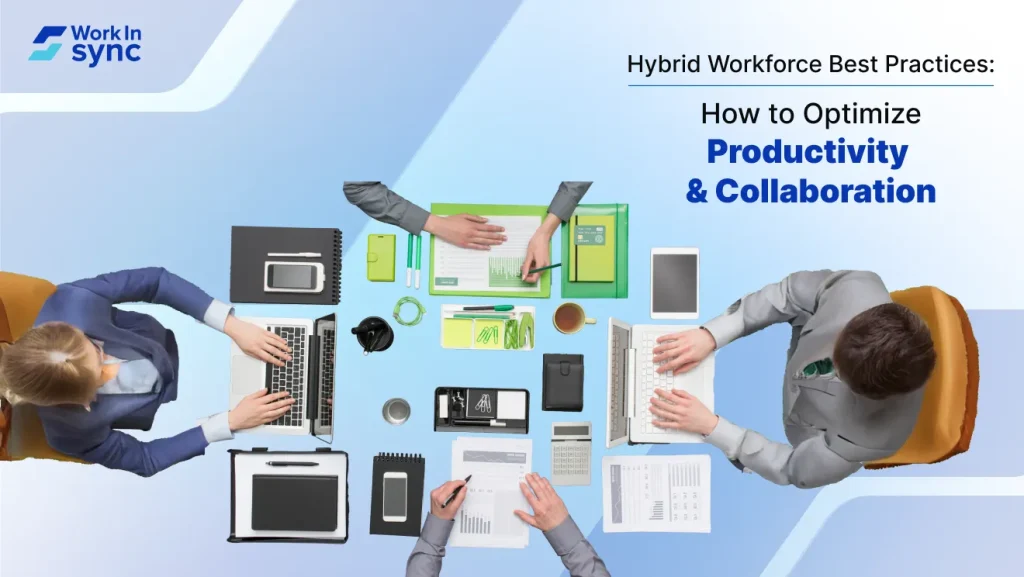
By integrating effective time management and intentional workspace planning, individuals are not merely investing in enhanced productivity—they are nurturing their overall well-being. Research shows that individuals with effective time management skills experience a striking 25% increase in efficiency, coupled with a significant reduction in workplace stress, leading to a more satisfying work-life balance.
In summary, the intersection of time management and workspace organization holds the key to unlocking greater potential for success. By applying the techniques outlined, along with personalizing your strategies to fit your individual roles and preferences, you can craft an environment conducive to both productivity and peace of mind. The journey into mastering temporal organization not only serves your immediate professional needs but propels you toward a more fulfilling career trajectory.
DISCOVER MORE: Click here to enhance your productivity
Effective Time Management Techniques
To achieve a harmonious balance between time management and workspace organization, it’s essential to explore an array of effective time management techniques. These strategies cater to different working styles and preferences, providing personalized approaches that can revolutionize productivity. Here are some key methods:
- Prioritization Strategies: Employing methods such as the Eisenhower Matrix can help categorize tasks by urgency and importance. Individuals can identify what needs immediate attention and what can be scheduled for later, avoiding the pitfall of prioritizing less critical tasks.
- Pomodoro Technique: This technique encourages working in short, focused bursts—typically 25 minutes—followed by a five-minute break. This structure not only keeps one engaged but also helps maintain mental clarity, ultimately improving task completion rates.
- SMART Goals: This approach emphasizes setting goals that are Specific, Measurable, Achievable, Relevant, and Time-bound. By clearly defining objectives, employees can strategize their time around reaching these targets effectively.
- Weekly Review Sessions: Allocating time each week to reflect on what was accomplished and what remains can enhance future planning. A brief analysis of setbacks or successes prepares individuals for upcoming challenges and clarifies their focus for the following week.
Implementing these techniques ensures a structured approach to managing time, thus paving the way for superior productivity. These strategies can lead professionals to feel more in control, reduce anxiety associated with overwhelming workloads, and allow for a deeper engagement with their tasks.
The Role of Digital Tools
In the quest for maximizing efficiency, digital tools can serve as vital allies. Many applications are designed specifically for time management and workspace organization, enabling individuals to streamline their processes actively. Tools such as Trello or Asana not only help in project management but also in visually tracking progress. With features such as task assignment, deadline reminders, and file sharing, these platforms create a collaborative space that enhances team communication regardless of physical location.
Moreover, calendar tools like Google Calendar or Outlook allow for integration of scheduling and reminders, reducing the cognitive load of remembering deadlines. Time tracking applications such as RescueTime or Toggl can offer valuable insights into where time is spent, empowering individuals to make informed choices regarding their work habits.
By marrying these time management techniques with supportive digital tools, individuals not only optimize their schedules but also cultivate a workspace that reflects their newfound focus and clarity. In this interconnected system, enhanced productivity and personal well-being are truly achievable, leading to a higher quality of work and satisfaction in the professional realm.
Unlocking Productivity through Temporal Organization Strategies
Temporal organization strategies focus on the efficient management of time and workspace to foster balance and productivity. By implementing these techniques, individuals can reduce stress and enhance performance in both professional and personal spheres. Let’s explore some effective strategies that can make a noticeable difference in managing time and workspace harmoniously.
| Organization Technique | Impact on Productivity |
|---|---|
| Time Blocking | Allows for focused work periods, reducing distractions and improving output. |
| Workspace Zoning | Designates specific areas for tasks, facilitating a clearer mindset and better task transition. |
Time blocking, a powerful technique, involves allocating specific time slots for different activities. This method not only encases tasks within defined periods but also encourages a disciplined approach to time management. Similarly, workspace zoning helps cultivate an organizational flow by creating unique areas for various types of work, which can alleviate the confusion that often comes with a cluttered environment.In addition to these techniques, incorporating technology can further enhance effectiveness. Using productivity apps and digital planners can provide reminders and streamline task management. The combination of traditional strategies and modern tools creates a synergistic effect, leading to a harmonious balance between time and workspace management. The ultimate goal is not just to work harder but to work smarter, creating an environment that nurtures creativity and well-being. By investing in these temporal organization strategies, individuals are empowered to take ownership of their time and space, resulting in a more fulfilling professional and personal life.
DISCOVER MORE: Click here to learn about effective time blocking techniques
Strategies for Workspace Organization
While effective time management techniques are crucial, the organization of the workspace plays a significant role in achieving harmony between productivity and personal satisfaction. A well-organized workspace enhances focus, minimizes distractions, and increases overall efficiency. Here are some strategies that can help streamline your workspace:
- Decluttering Regularly: A cluttered environment can lead to a cluttered mind. Implementing a routine decluttering process—whether it’s daily, weekly, or monthly—ensures that unnecessary items are removed, allowing for a cleaner, more efficient workspace.
- Utilizing the “One Touch” Rule: This strategy involves handling each item only once. For instance, when an email arrives, read it and decide whether to respond, archive, or delete it. This method reduces procrastination and prevents tasks from piling up.
- Incorporating Ergonomic Design: Investing in ergonomic furniture can enhance comfort and productivity. An adjustable chair, a standing desk, and properly positioned monitors not only support physical health but also can minimize fatigue, encouraging longer periods of focused work.
- Creating Zones: Divide the workspace into specific zones for differing tasks. For example, an area dedicated solely to creative brainstorming can be separate from administrative work. Clearly defined zones help to maintain focus and reduce the friction that comes from multitasking within one space.
By making these workspace organization strategies a part of your routine, individuals can foster an environment that is conducive to productivity and creativity. A harmoniously organized workspace not only complements effective time management but also cultivates a sense of control and clarity in daily tasks.
Embracing Mindfulness in Time and Space Management
In addition to these strategies, incorporating mindfulness practices can dramatically shift how individuals perceive time and space. Mindfulness involves focusing on the present moment and cultivating awareness without judgment. Here are ways to integrate mindfulness into time management and workspace organization:
- Mindful Breaks: Rather than merely transitioning from one task to another, taking mindful breaks can help rejuvenate the mind. This can involve a brief walk, stretching, or even a few minutes of deep breathing to reset focus and increase feelings of well-being.
- Task Visualization: Before beginning a task, visualize the steps needed to complete it. This practice not only prepares the mind but also instills a sense of commitment to the task at hand, leading to more substantial engagement.
- Setting Intentions: Begin each day by setting clear intentions for how the time will be spent. This can involve noting key tasks or even the desired feelings to carry throughout the day. Intention-setting can enhance motivation and clarity.
By embracing mindfulness, professionals can create a unique synergy between time management and workspace organization. This holistic approach addresses the psychological aspects of productivity, promoting an overall sense of harmony and satisfaction in work life. The integration of these various strategies empowers individuals to create a personalized structure that supports not only their professional aspirations but also their well-being.
DIVE DEEPER: Click here to uncover the prioritization secrets
Conclusion
In a world characterized by rapid change and constant demands, the importance of effective temporal organization strategies cannot be overstated. The integration of time management techniques with organized workspaces creates a robust framework for achieving both productivity and personal fulfillment. By adopting practices such as regular decluttering, enforcing the “one touch” rule, and ensuring ergonomic design, individuals lay the groundwork for a focused and efficient environment. Furthermore, the embrace of mindfulness stands as a powerful tool in this equation, adding an essential layer that fosters mental clarity and emotional resilience.
As professionals navigate their daily tasks, they are reminded that time and space are interconnected facets of their workflow. The strategies discussed here not only promote an orderly physical space but also cultivate a mindset that values intentionality and presence. Through task visualization and mindful breaks, individuals can reshape their relationship with time, making it an ally rather than a source of stress.
Ultimately, the journey toward achieving harmony in time and workspace management is deeply personal and requires ongoing reflection and adjustment. As readers explore these strategies, they are encouraged to tailor them to their unique circumstances, allowing for a more fulfilling work experience. In doing so, they may uncover new paths toward productivity, creativity, and well-being—transforming the mundane into a harmonious rhythm of life.
Related posts:
The Influence of Plants in the Workplace: How Nature Can Enhance Organization and Creativity
The Influence of Colors and Decoration Styles on Motivation and Focus at Work
The Importance of Lighting and Ergonomics in Workplace Organization
The Psychology Behind Workplace Organization: How the Environment Affects Behavior and Performance
Effective Strategies for Decluttering the Office
How the Organization of Work Space Impacts Personal Productivity

Linda Carter is a writer and productivity and personal organization specialist focused on helping readers build better routines, manage their time, and stay on top of daily priorities. With experience covering practical planning methods, habit-building strategies, and tools for organization, Linda shares actionable guidance on our platform. Her goal is to empower readers with clear, realistic tips to work smarter, reduce overwhelm, and stay consistent over time.