
The Impact of Nutrition on Stress Levels: Eating for a Calm Mind
Understanding the Connection Between Food and Stress
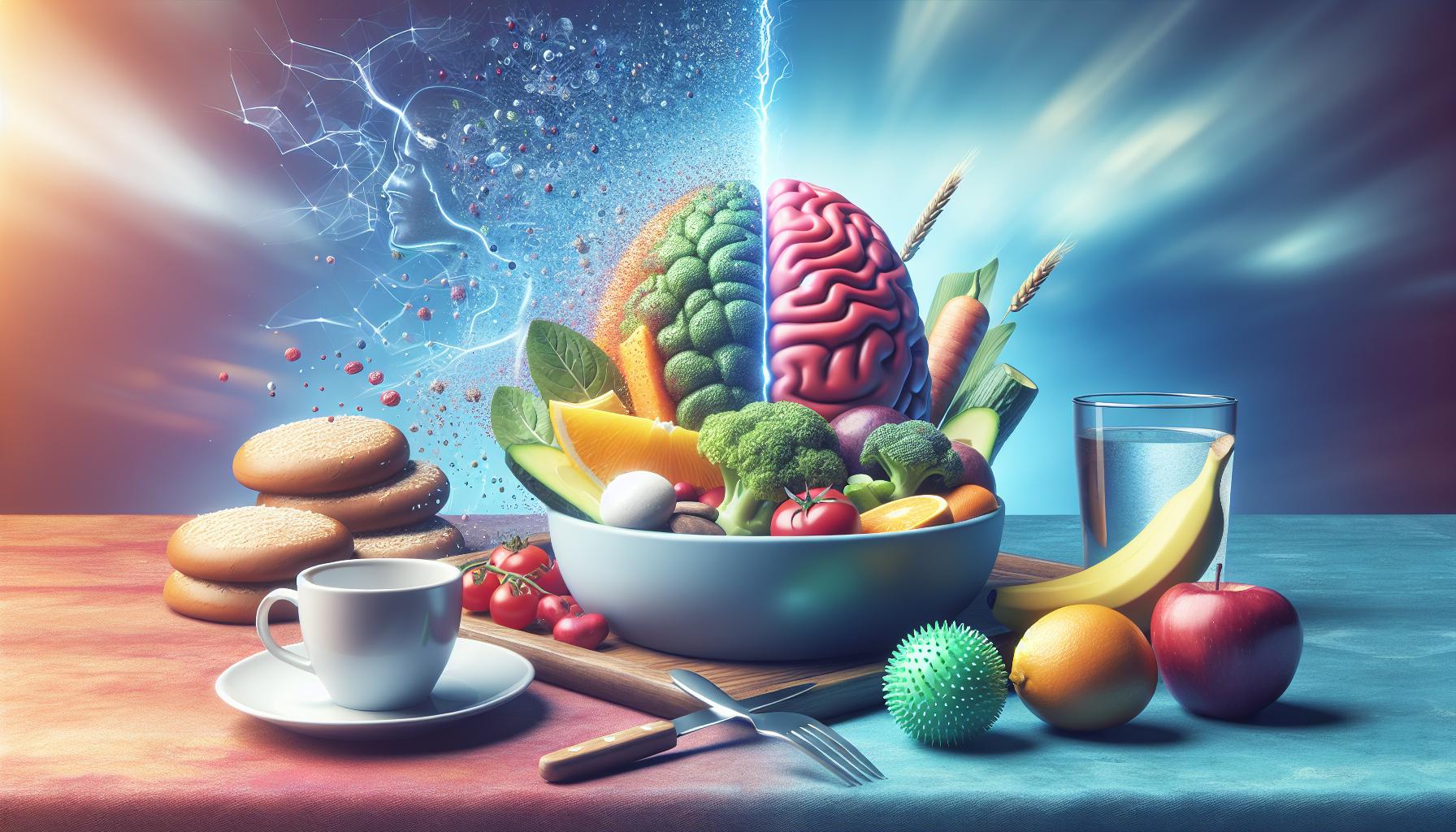
Nutrition plays a crucial role in managing stress levels. What we consume can significantly influence our mood and emotional well-being. By choosing the right foods, we can pave the way for a more calm mind. As awareness of mental health increases, many are looking for holistic approaches to stress relief, and dietary changes stand out as a straightforward yet effective strategy.
Key Factors to Consider
- Brain Function: Nutrients such as Omega-3 fatty acids, found in fatty fish like salmon and flaxseeds, are vital for maintaining optimal brain health. Research has shown that these healthy fats can not only support cognitive function but also help reduce anxiety and depression. A study published in the American Journal of Clinical Nutrition found that individuals consuming higher levels of Omega-3s reported significantly lower anxiety levels.
- Blood Sugar Stability: The importance of stable blood sugar levels cannot be overstated. Eating balanced meals consisting of proteins, healthy fats, and high-quality carbohydrates prevents spikes and crashes in blood sugar that can lead to feelings of irritability and fatigue. Incorporating foods like brown rice and quinoa, along with healthy fats from avocado, can offer prolonged energy without the crash.
- Gut Health: The connection between gut health and mental well-being is well-established, often referred to as the gut-brain axis. A balanced diet that includes probiotic-rich foods such as yogurt, kimchi, and kombucha can promote a healthy microbiome, which, in turn, may enhance mood and cognitive function. This fascinating interplay highlights how deeply interconnected our digestive health is with our emotional state.
Emerging studies indicate that specific dietary patterns, such as the Mediterranean diet, can help alleviate stress. Rich in fruits, vegetables, whole grains, and healthy fats, this diet has been linked to lower anxiety levels and improved emotional resilience. Foods high in magnesium — such as leafy greens, nuts, and seeds — are also crucial, as magnesium is known to aid in regulating the body’s stress responses, making it essential for mental peace.
Food Choices That Foster Calmness
- Complex Carbohydrates: Foods like whole grains, oats, and legumes are not just great sources of carbohydrates, but they also help stabilize serotonin levels — the hormone often referred to as the ‘feel-good’ chemical. By promoting serotonin production, these foods can improve mood and reduce feelings of anxiety.
- Antioxidant-Rich Foods: Including a variety of antioxidant-rich foods, such as berries, dark chocolate, and nuts, in your diet can combat oxidative stress— a contributor to many chronic diseases and mental health disorders. Antioxidants play an important role in neutralizing free radicals in the body, thereby promoting overall health and mental clarity.
- Herbs and Spices: Adaptogenic herbs like ashwagandha and rhodiola have gained popularity for their ability to help the body manage stress. These natural compounds may improve resistance to stressors and even enhance mood, making them a valuable addition to a balanced diet.
As we delve deeper into the intricate relationship between what we eat and how we feel, it becomes evident that food serves as more than mere sustenance. With the right knowledge and choices, we can fuel not just our bodies, but also our minds. By exploring dietary modifications, individuals may unlock new pathways toward mental tranquility, offering a holistic avenue for stress management and healthier living.
DISCOVER MORE: Click here to dive deeper
Nourishing the Mind: The Role of Nutrients in Stress Reduction
When it comes to combating stress, the importance of nutrition can often be overlooked in favor of more immediate coping strategies like exercise or relaxation techniques. However, a growing body of research underscores the vital relationship between what we eat and our stress levels. The brain, like any other organ in the body, requires specific nutrients to function optimally. An imbalance or deficiency in these nutrients can lead to increased stress, anxiety, and a diminished sense of well-being.

The Importance of Macros and Micros
To understand how nutrition affects stress, it’s crucial to consider both macronutrients and micronutrients. Macronutrients include carbohydrates, proteins, and fats, which provide the energy necessary for our bodies to function. For instance, proteins are vital for the production of neurotransmitters like serotonin and dopamine, chemicals that play a critical role in mood regulation.
In addition to macronutrients, micronutrients—vitamins and minerals—are equally essential for mental health. A deficiency in key vitamins such as Vitamin B12 or Folate can lead to feelings of fatigue, irritability, and anxiety. Moreover, minerals like zinc and iron are significant contributors to brain health. Studies show that low levels of zinc can lead to increased anxiety and depression, emphasizing the need for a micronutrient-rich diet.
Foods to Incorporate for a Stress-Resilient Diet
Dietary adjustments can be a simple yet powerful way to address stress. Here are some food categories that can help support a calm mind:
- Whole Grains: Oats, barley, and brown rice are excellent sources of the B vitamins, which are essential for adrenal function—the gland that releases stress hormones. Whole grains also promote the steady release of glucose into the bloodstream, helping to stabilize mood throughout the day.
- Leafy Greens: Spinach, kale, and collard greens are loaded with magnesium, a mineral that has been shown to reduce anxiety levels. Research suggests that a diet high in magnesium can lead to lower stress levels and better overall mental health.
- Fatty Fish: Salmon, sardines, and mackerel are packed with Omega-3 fatty acids. These healthy fats are known to lower the levels of stress hormones, making them an essential addition to any stress management plan.
- Nuts and Seeds: Almonds, walnuts, and chia seeds are not only great snacks but also provide a wealth of nutrients like magnesium and Vitamin E, which contribute to reducing anxiety and enhancing mood.
It is clear that nutrition is a decisive player in managing stress levels. The right food choices can boost mental clarity and emotional stability, paving the way for a more tranquil state of mind. As we navigate the complexities of managing stress in our daily lives, dietary modifications stand out as one effective and empowering avenue to explore for maintaining mental health and well-being.
The Role of Specific Nutrients in Stress Management
Understanding the intricate relationship between nutrition and stress levels can empower individuals to take charge of their mental health. Certain nutrients have been identified as particularly beneficial in reducing stress and promoting a sense of calm. For instance, omega-3 fatty acids, commonly found in fatty fish like salmon and walnuts, play a vital role in maintaining brain health. Research indicates that these acids can help decrease symptoms of anxiety and depression, encouraging a calm mind.Furthermore, magnesium is a crucial mineral that has been shown to lower cortisol levels, the hormone primarily responsible for stress responses. Foods rich in magnesium, such as spinach, seeds, and whole grains, may help individuals tackle daily stressors more effectively. Another nutrient to consider is vitamin B complex, especially B6 and B12, which have been linked to the production of neurotransmitters that regulate mood. Including sources like poultry, eggs, and legumes in your diet may enhance nervous system function, contributing to improved emotional resilience.To optimize these benefits, integrating a variety of whole foods into daily meals is highly recommended. This approach not only balances nutrient intake but also fosters a deeper connection between our dietary choices and our mental well-being. Therefore, a focus on nutrient-rich meals can be a proactive strategy in managing stress and enhancing overall psychological health. This understanding invites readers to explore practical changes in their diet that could yield significant improvements in how they cope with stress—a compelling reason to dive deeper into the surrounding research and dietary practices.
| Nutrient | Benefits |
|---|---|
| Omega-3 Fatty Acids | Reduces anxiety and improves mood. |
| Magnesium | Lowers cortisol levels and promotes relaxation. |
| Vitamin B Complex | Supports neurotransmitter production and mood regulation. |
DISCOVER MORE: Click here to learn effective breathing techniques
Building Resilience: The Connection Between Nutrition and Mental Wellness
While the foods that we consume play a pivotal role in our mental health, the timing and combination of these foods can also be fundamental in managing stress levels. Understanding how to create a balanced diet that supports a calm mind goes beyond merely including nutrient-dense foods—it involves strategic planning and mindful eating practices as well.
The Timing of Meals Matters
The body’s response to stress is tightly linked to its energy levels, which can be influenced by how and when we eat. Skipping meals, experiencing prolonged periods of hunger, or consuming excessive amounts of caffeine can lead to fluctuations in blood sugar levels, which may trigger anxiety and irritability. Regular, balanced meals can provide a steady supply of energy, ensuring that serotonin and other neurotransmitters are produced consistently.
Consider implementing a schedule that prioritizes regular meals and snacks. This is crucial during stressful periods, as maintaining stable energy levels can act as a buffer against overwhelming emotions. For instance, pairing a source of protein with a complex carbohydrate at each meal—such as Greek yogurt with berries or a turkey sandwich on whole grain bread—promotes fullness and sustained energy.
Hydration: The Unsung Hero of Nutrition
Another often-overlooked aspect of nutrition in stress management is hydration. Staying properly hydrated is essential for overall health, yet many people do not drink enough water throughout the day. Dehydration can lead to fatigue, difficulty concentrating, and increased feelings of stress and anxiety. Keeping a water bottle handy and aiming for a minimum of eight 8-ounce glasses daily can ease the burden on your brain and help manage stress levels effectively.
Mindfulness in Eating
In addition to the foods we choose and when we consume them, how we eat can significantly impact our stress levels. Embracing mindful eating practices can transform our relationship with food and help us become more attuned to our body’s signals. This entails engaging all of our senses while eating, recognizing hunger cues, and savoring the flavors and textures of our food.
Practicing mindfulness during meals—such as taking a few deep breaths before starting, chewing slowly, and appreciating each bite—can lead to improved digestion and reduced anxiety surrounding eating. In hectic environments, this intentionality can act as a momentary refuge from daily stressors.
The Role of Gut Health in Stress Management
The connection between the gut and the brain, often referred to as the gut-brain axis, has garnered much attention in recent years. Evidence suggests that a healthy gut microbiome plays a significant role in regulating stress levels and overall mental health. Incorporating fermented foods such as yogurt, kefir, kimchi, and sauerkraut into your diet can promote gut health by introducing beneficial bacteria. These foods can enhance nutrient absorption and reduce inflammation, both of which are crucial for maintaining a calm mind.
Additionally, prebiotics found in fiber-rich foods like bananas, onions, and garlic can nourish these beneficial gut bacteria, making them an invaluable addition to a stress-resilient diet.
In summary, the intersection of nutrition and mental well-being is a dynamic area of exploration. The conscientious choice of foods, proper hydration, mindful eating practices, and an understanding of gut health can provide powerful tools in the journey toward managing stress and cultivating a more balanced state of mind. As we continue to delve deeper into the profound impact of eating on our mental health, it becomes increasingly clear that what we place on our plates has the potential to shape our emotional landscapes.
DIVE DEEPER: Click here to discover how mindful eating can transform your relationship with food
Conclusion: Harnessing Nutrition for a Tranquil Mind
As we navigate the complexities of modern life, understanding the impact of nutrition on stress levels is essential for cultivating a calm mind and resilient spirit. The right balance of nutrients, proper hydration, and mindful eating practices can serve as powerful allies in our personal wellness journeys. By prioritizing nutrient-rich foods, we can empower our bodies to manage stress more effectively, promoting not just physical health but also emotional stability.
Moreover, the timing of our meals and an emphasis on gut health play crucial roles in influencing our mood and stress response. Taking the time to select meals with care, while also being mindful of our eating habits, can help create a harmonious relationship with food. Implementing strategies such as regular meal schedules, pairing food groups for balanced energy, and integrating fermented foods into our diets are practical steps that can yield profound changes in how we cope with the stresses we encounter.
As research continues to unveil the intricate connections between nutrition and mental health, it’s essential for individuals and healthcare professionals alike to recognize these links. By treating nutrition as a vital component of stress management, we open doors to new approaches that not only enhance our well-being but also fortify our resilience against daily challenges. Ultimately, what we choose to nourish our bodies with has far-reaching consequences—both for our minds and our overall quality of life. Embracing these nutritional principles can be a transformative step toward achieving a more balanced and serene state of existence.
Related posts:
The Role of Mindfulness Meditation in Stress Reduction
The Power of Nature: How Outdoor Activities Can Alleviate Stress
The Role of Physical Activity in Reducing Stress Levels
The Role of Physical Exercise in Managing Stress Levels
Mindfulness Techniques for Effective Stress Management
The Influence of Social Connections on Stress Management and Emotional Health

Beatriz Johnson is a seasoned wellness coach and writer with a passion for simplifying the principles of holistic health and balanced living. With over a decade of experience in the wellness industry, she specializes in topics like mindful nutrition, sustainable fitness routines, and mental well-being strategies. Through her work on our website, Beatriz empowers readers to make informed lifestyle choices and cultivate habits that promote lasting harmony in their daily lives.