The Impact of Physical Activity on Memory Games: A Holistic Approach to Cognitive Training
The Impact of Physical Activity on Cognitive Abilities
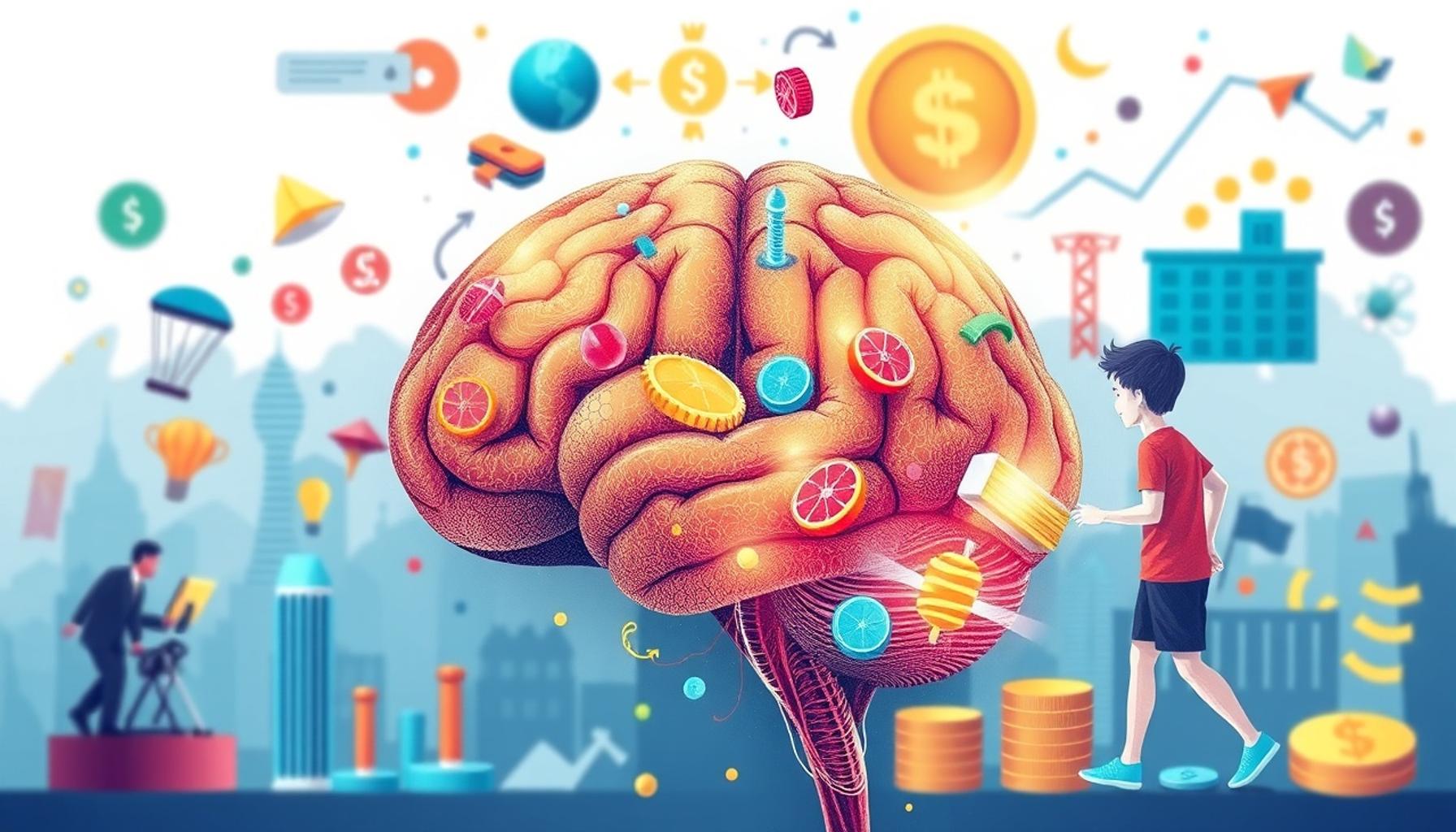
In recent years, the emphasis on cognitive training has grown tremendously, with a spotlight on how physical activity enhances mental capabilities. This connection is particularly significant in memory games, where brain health intertwines with physical well-being. Researchers are uncovering the profound ways in which movement not only invigorates the body but also invigorates the brain, leading to captivating implications for various aspects of life, from education to everyday functioning.
Consider these key benefits of integrating physical activity into memory training:
- Increased Blood Flow: Exercise significantly improves circulation, which is essential for delivering necessary nutrients and oxygen to the brain. Enhanced blood flow has been shown to support various cognitive functions, including improved concentration and faster information processing.
- Neurogenesis Stimulation: Regular movement encourages the formation of new neurons in the hippocampus, an area of the brain integral to memory formation. Studies have indicated that even simple activities like walking can promote neurogenesis, leading to better learning outcomes.
- Stress Reduction: Physical activity is a proven stress-buster, lowering levels of cortisol—the hormone linked to stress and anxiety. Reduced stress levels can significantly enhance cognitive function, making tasks involving memory acquisition and recall more manageable and effective.
Numerous studies support the assertion that those who engage in physical activities, from aerobic workouts like jogging to more relaxed forms such as yoga, often exhibit superior memory performance compared to their sedentary counterparts. For instance, a 2018 study published in the journal Neuropsychology Review found that older adults who participated in regular aerobic exercises showed a notable improvement in memory tests. Additionally, memory games paired with exercise routines, such as jumping jacks or a few minutes of dance, create a synergistic effect that fosters a holistic approach to brain training.
As we explore the nuances of this dynamic relationship, it becomes evident that creating a routine that incorporates both physical fitness and cognitive challenges serves not merely to entertain but to empower individuals. This concept is not just about enhancing memory; it’s about enriching overall mental health and capacity. With practical applications in schools and workplaces, recognizing this interplay can redefine our approach to cognitive training in everyday life, paving the way for improved learning techniques and productivity enhancements.
Incorporating physical activity is not just a recommendation for those seeking to boost their memory skills; it is becoming clear that such integration can transform lives across various stages of development. As you ponder your own routines, consider how a brisk walk or a quick workout might not just benefit your body, but also lead to a more agile and robust mind.

DISCOVER MORE: Click here to learn how brain teasers can enhance your growth mindset
Understanding the Connection: How Physical Activity Shapes Cognitive Functions
To appreciate the profound effect of physical activity on memory games, it is crucial to delve into the underlying mechanisms that connect exercise to cognitive enhancement. The brain, akin to any other organ in the body, thrives on physical health, and it is this vital relationship that serves as the foundation for unlocking better memory performance. A multitude of studies reinforces the idea that physical exertion not only benefits the body but also cultivates a fertile ground for cognitive growth, making it an indispensable component of any holistic cognitive training regimen.
Several key components illustrate how engaging in regular exercise can directly enhance memory capabilities:
- Enhanced Neuroplasticity: Neuroplasticity, the brain’s ability to reorganize itself by forming new neural connections, is crucial for learning and memory. Physical activity increases levels of brain-derived neurotrophic factor (BDNF), a protein linked to neuroplasticity. Higher BDNF levels boost learning capability and memory retention, making memory games more effective.
- Improved Sleep Quality: Regular physical activity is associated with better sleep quality, which plays a vital role in memory consolidation. During sleep, information gathered throughout the day is processed and stored in long-term memory. Engaging in moderate exercise can lead to deeper sleep cycles, fostering enhanced recall abilities.
- Social Engagement: Participating in group sports or fitness classes can foster social connections, which further stimulate cognitive functions. Interaction with others can enhance emotional well-being, and a strong support network has been linked to improved mental acuity and memory performance.
Moreover, research indicates that the type of physical activity may also play a significant role in augmenting cognitive benefits. For instance, an article published in The Journal of Sports Medicine and Physical Fitness highlights that combined forms of physical activity—such as aerobic exercise mixed with coordination-based activities like dance or team sports—yield optimal cognitive results. These forms of exercise not only engage large muscle groups but also require mental engagement, thus serving double duty as both physical workouts and cognitive challenges.
Furthermore, it is important to mention the impact of environmental factors. Engaging in physical activities outdoors has been shown to facilitate greater mental restoration than indoor activities. The multisensory experiences encountered in nature—such as varied landscapes, sounds, and fresh air—can stimulate cognitive processes and enhance focus, thus adding another layer to the training of memory skills through physical activity. Studies conducted in various urban settings have demonstrated that city parks and recreational areas, often filled with individuals participating in sports and leisure activities, can foster an environment of cognitive enhancement. This dynamic illustrates that both the type of physical activity and the environment in which it occurs can synergistically contribute to boosting memory game effectiveness.
With such compelling evidence, it is clear that integrating physical activity into memory training is not merely a fashionable trend; it is a scientifically backed method that promotes overall mental well-being. As researchers continue to explore this intricate relationship, we gain insight into innovative ways to enhance learning and memory through a holistic approach that champions both physical fitness and cognitive rigor.
The Neuroscientific Foundations of Physical Activity and Memory
Research has consistently shown that engaging in regular physical activity can significantly enhance various cognitive functions, including memory. The underlying scientific mechanisms involve increased blood flow to the brain, which delivers essential nutrients and oxygen, facilitating the growth of neurons and synapses. This process, known as neurogenesis, is vital for improving memory capacity and overall cognitive performance. Stringent studies have shown that individuals who engage in aerobic exercises, such as running or cycling, demonstrate improved spatial memory and recall. Such activities trigger the release of neurotransmitters, like dopamine and serotonin, which are critical in memory processing and retention. Intriguingly, the effects of physical activity on memory can be amplified when combined with memory games, creating a holistic cognitive training model that benefits learners of all ages.Furthermore, incorporating memory games into physical routines promotes not only improved recall but also strengthens neural pathways that are instrumental in problem-solving and critical thinking. As the brain adapts to new challenges, participants often report enhanced focus and mental clarity. This dual approach can be particularly beneficial for aging populations, where mental decline is frequent, presenting a promising avenue for intervention through engaging physical and cognitive activities. Feel free to explore the connections made between movement and mental agility further, as more empirical evidence comes to light, supporting the idea that our bodies and minds are inherently linked. Such insights provide a compelling narrative for those interested in optimizing cognitive training through physical avenues.
Practical Applications and Techniques
When considering practical strategies for integrating physical activity with memory enhancement, it’s crucial to seek activities that stimulate both the body and brain. Activities like dance or team sports not only engage physical movements but also require strategic thinking, teamwork, and quick decision-making—essential aspects of effective cognitive training.Another practical technique is to use interval training combined with memory games, where participants alternate between bursts of physical activity and mental challenges, such as solving puzzles or recalling specific information. This method maximizes the benefits of physical exertion while actively engaging memory processes, reinforcing learning and retention.As we delve deeper into the connection between physical activity and cognitive training, we uncover innovative approaches that offer a comprehensive understanding of maximizing brain function through movement and engagement in memory games. The interplay of these elements creates a rich foundation for ongoing research and exploration within the field of cognitive health.
DIVE DEEPER: Click here to discover the impact of strategy games
Exploring the Psychological Benefits of Exercise on Memory Enhancement
In addition to the physiological advantages of physical activity, there is a growing body of evidence that points to the psychological benefits associated with regular exercise. By fostering a positive mindset, exercise indirectly facilitates better engagement with memory games, enhancing cognitive training outcomes. The psychological state of an individual plays a pivotal role in the efficiency of learning processes, and physical activity emerges as a significant contributor to this mental schema.
Stress Reduction is perhaps one of the most significant psychological benefits derived from engaging in physical activity. Exercise has been shown to reduce levels of the stress hormone cortisol. Elevated cortisol can impair cognitive functions, including memory retention and recall. By lowering stress levels, physical activity creates an optimal mental environment conducive to focused cognitive tasks, such as memory games. Individuals who engage in regular exercise report feeling more energized and less stressed, which often translates to improved concentration and memory performance.
Moreover, motivation can be significantly enhanced through exercise. Setting and achieving fitness goals instills a sense of accomplishment and self-efficacy that can spill over into other areas, such as cognitive training and memory enhancement. As individuals gain confidence in their physical capabilities, they often feel empowered to tackle mental challenges, including memory games. This correlation highlights how physical fitness can influence cognitive resilience, as users become more persistent and less discouraged when facing challenging memory tasks.
Research has indicated that a phenomenon known as the “exercise effect” occurs whereby just a single session of moderate-intensity aerobic exercise can uplift mood and propel cognitive function. For example, a study published in the Journal of Cognitive Enhancement demonstrated that participants who engaged in just 30 minutes of brisk walking experienced a noticeable improvement in memory recall during subsequent memory tasks. This immediate cognitive boost illustrates that even short bouts of physical activity can have profound, instantaneous effects on memory performance, providing exciting avenues for incorporating quick exercises into memory training regimens.
Furthermore, mindfulness practices integrated with physical activity have also gained traction in enhancing cognitive functions. Activities like yoga and tai chi not only promote physical movement but also emphasize breath control and mindful awareness, with studies indicating improvements in working memory, cognitive flexibility, and executive functions. The blend of physical activity and mental focus can make memory games more engaging and effective, offering a multidimensional approach to cognitive training. Notably, a meta-analysis published in Psychological Bulletin summarized evidence indicating that individuals who practiced mindfulness alongside regular exercise showed significant improvements in memory tasks when compared to those who relied solely on traditional cognitive training methods.
Engaging various bodily systems through multimodal physical interventions can also cater to individuals with diverse learning styles. For example, incorporating games that involve movement, such as memory-based card games played in a dynamic setting, can seamlessly integrate physical activity with memory training. This enhances the overall cognitive experience, catering to visual, auditory, and kinesthetic learners alike. Such approaches can transform mundane memory training into engaging, holistic experiences, ultimately increasing retention and recall capacities.
As we uncover the intricate ways in which exercise influences psychological states and memory capabilities, it becomes evident that a combined approach, marrying physical activity with cognitive exercises like memory games, lays the groundwork for superior cognitive training methodologies. The intertwining of mind and body not only enriches the training experience but also sparks curiosity for new, innovative strategies to elevate cognitive performance through the lens of physical activity.
DIVE DEEPER: Click here to unlock the secrets of Sudoku
Conclusion: Unlocking Cognitive Potential Through Movement
As we delve into the multifaceted relationship between physical activity and memory enhancement, it becomes clear that a holistic approach to cognitive training can yield remarkable benefits. The intricate interplay between the body and mind highlights the importance of incorporating regular exercise into memory training strategies. The physiological improvements, such as increased oxygen flow to the brain and enhanced neurogenesis, combined with the psychological benefits, such as stress reduction and improved motivation, create a conducive environment for elevating cognitive performance.
Moreover, the evidence supporting the “exercise effect” serves as a testament to the immediate advantages of incorporating physical activity into memory games. Just a brief session of aerobic exercise can significantly enhance memory recall, underscoring the value of integrating physical movement into cognitive tasks. This synergy between physical and mental engagement not only enriches the training experience but also offers promising pathways for those seeking to improve their cognitive capabilities.
In conclusion, exploring innovative strategies that meld physical activity with memory gamification can transform traditional cognitive training. By embracing a more inclusive approach that caters to diverse learning styles and promotes mindfulness alongside exercise, we can unlock greater cognitive potential. As research continues to illuminate the profound impact of physical activity on memory enhancement, individuals and practitioners alike are encouraged to leverage this knowledge in their quest for improved cognitive function. The journey toward superior cognitive training methodologies through physical activity is just beginning, inviting us to explore how we can better enrich our minds while engaging our bodies.
Related posts:
Memory Enhancement Through Storytelling Puzzles: Engaging the Imagination
The Connection Between Memory and Creativity: How Mind Games Foster Innovative Thinking
From Sudoku to Crosswords: Exploring Diverse Puzzles for Memory Enhancement
The Science Behind Memory Games: How Puzzles Enhance Cognitive Function
Gamifying Memory: The Impact of Competitive Puzzles on Memory Improvement
Mind Games for All Ages: Tailoring Memory Enhancement Techniques for Different Life Stages

Linda Carter is a writer and puzzle expert specializing in mind games, brain teasers, and cognitive challenges. With extensive experience helping individuals enhance their problem-solving skills and think critically, Linda shares her knowledge on our platform. Her goal is to empower readers with practical advice, engaging puzzles, and strategies to sharpen their minds and achieve success in the captivating world of mind games and puzzles.