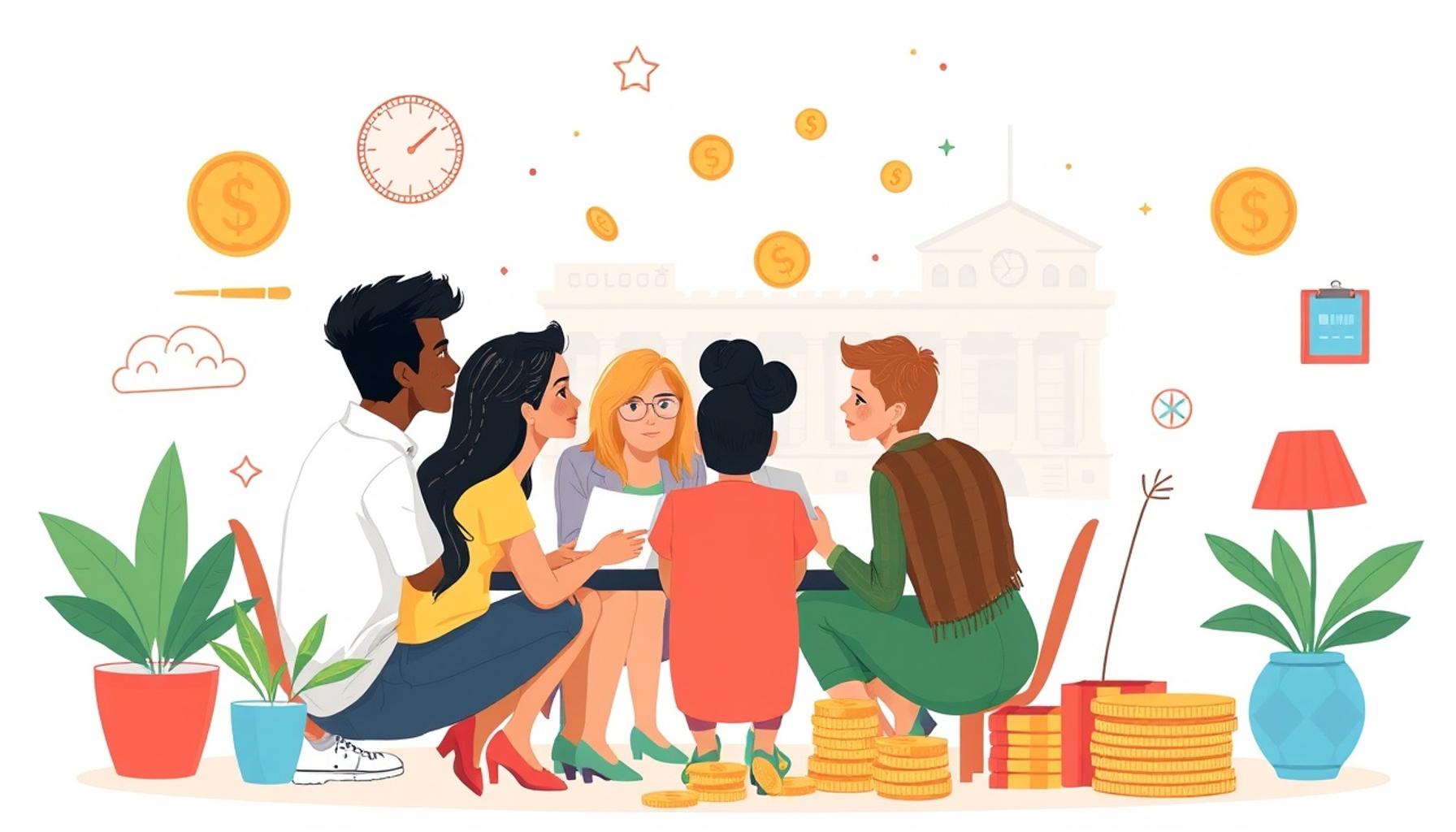
The impact of social media on personal interactions and well-being
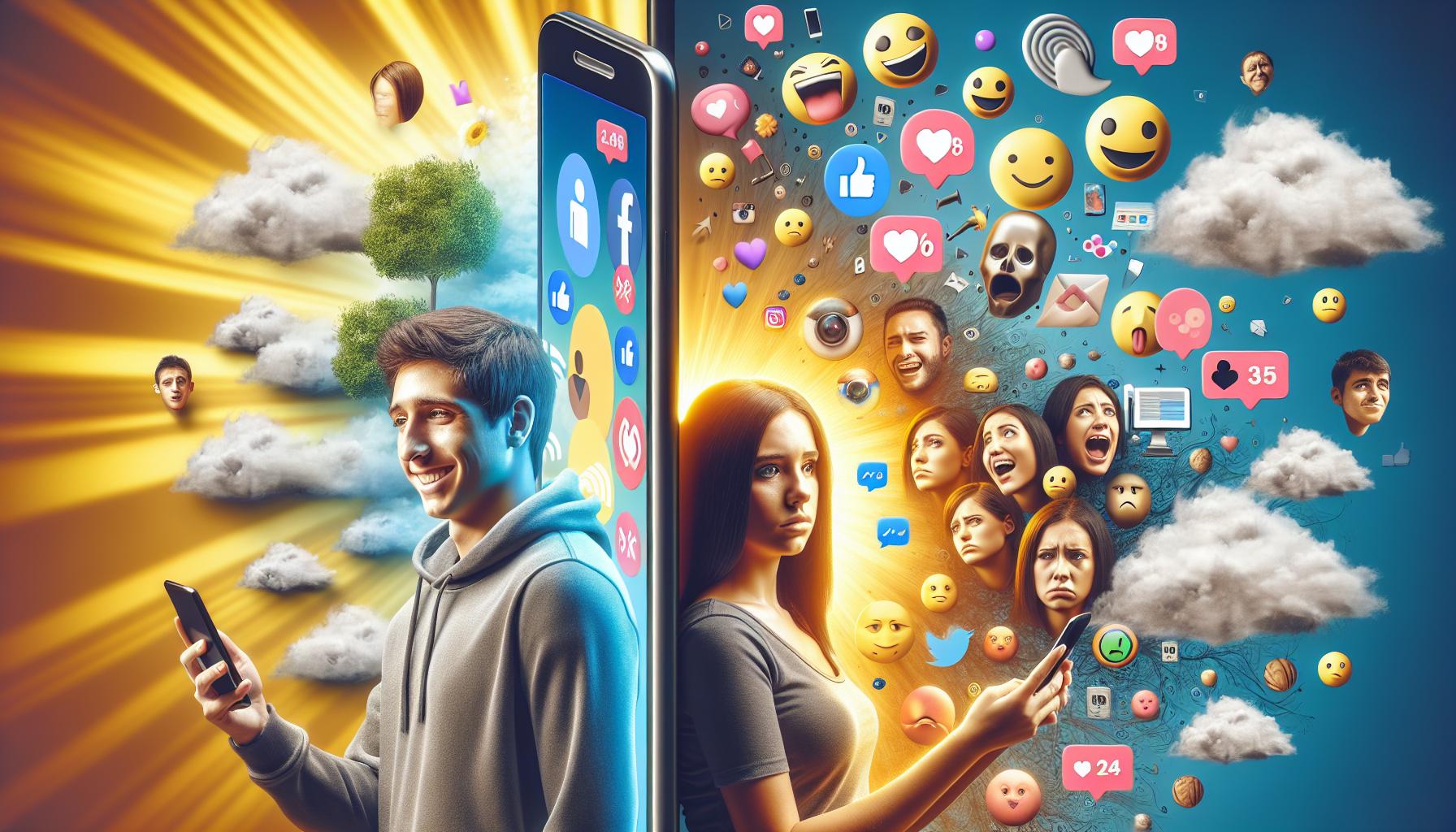
The Influence of Social Media on Daily Life
In today’s digital age, social media has transformed the way we communicate and interact with one another. Platforms like Facebook, Twitter, and Instagram have become integral to our daily lives, facilitating not just casual conversations but significant events like job searches, political movements, and social campaigns. For instance, the #MeToo movement gained immense traction through social media, highlighting its capacity to inspire change and mobilize communities around critical social issues.
- Connection: Social media enables users to connect with friends and family across vast distances. A college student in California can easily share milestones and memories with family members living across the country, cultivating a sense of closeness despite geographical barriers. Additionally, social media allows individuals to reconnect with old friends and maintain relationships that might otherwise fade away.
- Information: It serves as a rapid channel for news and updates, impacting how we perceive our surroundings. In the wake of disasters, social media often provides real-time information faster than traditional news sources can, giving users immediate updates. However, this immediacy can also contribute to the spread of misinformation, resulting in confusion about critical events.
- Community: Online groups provide a sense of belonging for individuals with shared interests. From fitness enthusiasts documenting their journeys to book clubs discussing the latest reads, social media facilitates the formation of numerous communities that may not exist offline. These virtual spaces allow for networking and support, enriching the lives of many individuals.
While these benefits are evident, the implications for personal interactions and mental well-being are complex. Studies have indicated that heavy social media use can lead to feelings of isolation, anxiety, and even depression. For example, research from the University of Pennsylvania found a direct correlation between excessive social media usage and increased rates of loneliness, suggesting that more online interaction does not equate to greater emotional fulfillment.
- Does the quantity of online interactions replace meaningful face-to-face communication? As WhatsApp chats and Instagram comments proliferate, some experts argue that these interactions lack the depth of in-person conversations.
- Are we becoming desensitized to real emotions through constant exposure to curated lives? The polished images and highlight reels shared online can create a distorted reality, leading users to feel inadequate or disheartened about their own lives.
- How does the pressure to present a perfect image affect our mental health? Many users feel compelled to present an idealized version of themselves, which can foster anxiety and dissatisfaction with their real-life circumstances.
Understanding these dynamics is crucial as we navigate an era where social media is omnipresent. As we delve deeper into this topic, it becomes clear that the impact of social media on personal interactions and well-being is both profound and multifaceted. By critically examining our social media habits, we can harness its positive aspects while mitigating potential negative effects, paving the way for healthier online and offline lives.
DISCOVER MORE: Click here to uncover strategies for better sleep
Redefining Relationships in a Digital World
As social media continues to permeate every facet of our lives, its role in shaping personal interactions has become increasingly pronounced. While online platforms promise the ability to foster connections, they simultaneously challenge the traditional dynamics of relationships. The convenience of instant messaging and sharing posts can create an illusion of connection, often blurring the lines between true intimacy and superficial engagement. A pivotal question arises: are these digital exchanges adequate substitutes for genuine human interaction?

According to a study published in the journal American Journal of Preventive Medicine, the more time individuals spend on social media, the more likely they are to feel socially isolated. This paradox speaks volumes. Social media is designed to bring people together, yet its excessive use can lead to feelings of loneliness. The dichotomy becomes even clearer when we examine user statistics; a staggering 69% of adults in the United States are on Facebook, but many report feeling disconnected despite a multitude of online ‘friends.’
- Substitution Effect: Online interactions often replace face-to-face conversations. With a simple click, users can communicate without experiencing the emotional nuances of an in-person exchange, leading to shallower understanding and empathy.
- Comparison Culture: Social media platforms thrive on user-generated content, which often showcases the best aspects of people’s lives. This curated content can foster a sense of inadequacy among viewers, leading them to compare their unfiltered lives with the ‘highlight reels’ of others.
- Digital Distraction: The ubiquitous nature of social media can divert attention from in-person engagements. Individuals may find themselves scrolling through feeds during family dinners or outings with friends, undermining the quality of these shared experiences.
The mental health implications tied to social media usage are becoming more evident with each passing year. For instance, the National Institute of Mental Health has indicated a concerning rise in anxiety and depressive disorders correlated with increased social media engagement. While social media may enhance access to support systems, it can also present a double-edged sword when users encounter cyberbullying or negative feedback. This ongoing battle can lead to a vicious cycle, where the online persona becomes a source of stress rather than solace.
Furthermore, the pursuit of online validation through likes and shares can lead individuals to place excessive importance on their digital presence. This inherent drive to seek approval can contribute to a skewed sense of self-worth tied to online metrics rather than one’s real-life accomplishments and relationships. In essence, the quest for affirmation plays a substantial role in shaping personal well-being.
Ultimately, as we navigate this complex social landscape, it is crucial to invoke a critical lens when assessing our social media habits. By understanding how these platforms influence our interactions and overall mental health, we can work toward a healthier balance that maximizes the benefits of connectivity while minimizing the drawbacks. As we explore further, the implications of social media on personal connections and well-being warrant an informed discussion that transcends mere convenience.
The Impact of Social Media on Personal Interactions and Well-being
Social media platforms have woven themselves into the very fabric of our daily lives, leading to profound effects on personal interactions and overall well-being. These digital connections can create a paradox; while they offer opportunities for connectivity, they also introduce challenges that can impact mental health.
| Positive Interactions | Negative Impacts |
|---|---|
| Increased Connectivity | Social Isolation |
| Access to Diverse Perspectives | Cyberbullying and Anxiety |
One of the most intriguing aspects of social media’s impact on relationships is its ability to foster increased connectivity. Users can maintain relationships regardless of geographical barriers, enabling people to share experiences and support each other like never before. This has been particularly important during challenging times, such as global crises, where physical distancing measures have limited face-to-face interactions.However, this increased connectivity can paradoxically lead to social isolation. Individuals may find themselves engaging online rather than in person, leading to a sense of loneliness despite being “connected” to hundreds of friends. The digital world’s immediacy can mask genuine human connection, leading to feelings of disconnection and inadequacy.Moreover, while social media provides access to diverse perspectives, it can also be a breeding ground for negative impacts such as cyberbullying, which dramatically affects mental health. This environment can lead to heightened feelings of anxiety, especially among young people who are often at the forefront of these experiences.As we navigate this complex digital landscape, it is essential to examine the dual nature of social media’s impact. The question remains: how can individuals harness the benefits while mitigating the drawbacks? This inquiry opens the door to further exploration of strategies for healthier online interactions.
DISCOVER MORE: Click here to learn how your sleeping environment can enhance your
The Dual Facets of Online Interaction
While the detrimental effects of social media on personal interactions and well-being are paramount, it is equally important to explore the positive dimensions that these platforms can offer. Social media possesses an undeniable power to cultivate communities that transcend geographical boundaries. Groups formed around shared interests, hobbies, or experiences can serve as valuable support networks, enhancing both emotional and social well-being. A poignant example can be found in the numerous Facebook groups dedicated to mental health advocacy, where individuals share their struggles and triumphs, often building meaningful friendships in the process.
Moreover, the rise of social media has also democratized the way we connect with others. For instance, platforms like Instagram and Twitter have become crucial channels for marginalized voices, allowing individuals to share their narratives and experiences on a global stage. This can foster a sense of belonging for people who may have felt invisible in their immediate surroundings. An American Psychological Association study found that social media can help forge connections with those who share similar challenges, ultimately leading to improved self-esteem and emotional well-being.
- Increased Connectivity: Social media has enabled people to maintain relationships over long distances. A survey by Pew Research Center revealed that about 69% of American adults believe social media allows them to stay in touch with loved ones who live far away.
- Opportunity for Support: Online platforms provide spaces for individuals to seek and offer support during challenging times, effectively reducing feelings of isolation. During crises, such as the COVID-19 pandemic, social media served as an essential communication tool, allowing individuals to check in on one another despite physical distance.
- Self-Expression and Creativity: These platforms provide users with outlets for self-expression that can enhance personal identity and creativity. Platforms like TikTok and YouTube have revolutionized how individuals showcase their talents and share their stories, contributing positively to personal fulfillment.
Yet, as we recognize these positive aspects, it remains crucial to approach social media thoughtfully. Heavy engagement with curated online personas can distort reality, thus leading to the perpetuation of certain myths about success, beauty, or social life. For instance, research published in the Journal of Social and Clinical Psychology indicates that limiting social media usage can lead to significant reductions in feelings of depression and loneliness, emphasizing the need for a balanced approach.
It’s worth noting that the interaction dynamics vary across platforms. For instance, Instagram tends to lean heavily on visual content, which can amplify feelings of inadequacy more than text-focused platforms like Twitter. Each user’s experience can thus be drastically different based on the type of interaction fostered by the medium they engage with. As different demographics adopt different social networks, it is critical to discern how these platforms cater to the emotional needs and behaviors of their users.
In navigating this intricate landscape, understanding how to balance the benefits and drawbacks of social media is paramount. Educational campaigns focusing on digital literacy can pave the way for healthier online interactions, equipping users with skills to manage their emotional responses to social media stimuli. This holistic approach encourages individuals to embrace the connections that enhance well-being while mitigating the impacts that compromise it.
DISCOVER MORE: Click here to find effective techniques
Reflecting on the Role of Social Media in Our Lives
As we delve into the impact of social media on personal interactions and well-being, it becomes clear that this digital phenomenon has both transformative and challenging effects. On one hand, social media platforms foster unprecedented levels of connectivity, breaking down geographic barriers and enabling individuals to maintain relationships and build new connections. These online landscapes offer havens for support, particularly for marginalized communities, allowing voices to be heard and validated. The evidence, including findings from the American Psychological Association, reinforces the notion that social media can enhance emotional well-being when used thoughtfully.
Conversely, the potential pitfalls associated with social media cannot be overlooked. The curated nature of online personas can distort self-perception and contribute to feelings of inadequacy and loneliness. Research published in the Journal of Social and Clinical Psychology highlights the benefits of moderation, suggesting that limiting social media engagement may lead to a healthier emotional state. Furthermore, the distinct ways in which various platforms influence user experiences necessitate a careful consideration of how different forms of communication affect individual well-being.
In conclusion, understanding the complex interplay between social media use and personal interactions is essential in today’s digital age. By promoting digital literacy and encouraging a balanced approach to online engagement, we can leverage the positive aspects of social media while minimizing its adverse effects. As users, we must remain vigilant and proactive in cultivating meaningful connections that enhance our well-being, ensuring that our interactions—both online and offline—truly enrich our lives.
Related posts:
The influence of social connections on promoting healthy eating habits
The importance of social connections for mental and emotional health
Strategies to Expand Your Support Network and Improve Quality of Life
The importance of social connections for mental and emotional health
The role of social support in overcoming stress and anxiety challenges
The Impact of Social Connections on Mental Health and Well-Being

Beatriz Johnson is a seasoned wellness coach and writer with a passion for simplifying the principles of holistic health and balanced living. With over a decade of experience in the wellness industry, she specializes in topics like mindful nutrition, sustainable fitness routines, and mental well-being strategies. Through her work on our website, Beatriz empowers readers to make informed lifestyle choices and cultivate habits that promote lasting harmony in their daily lives.