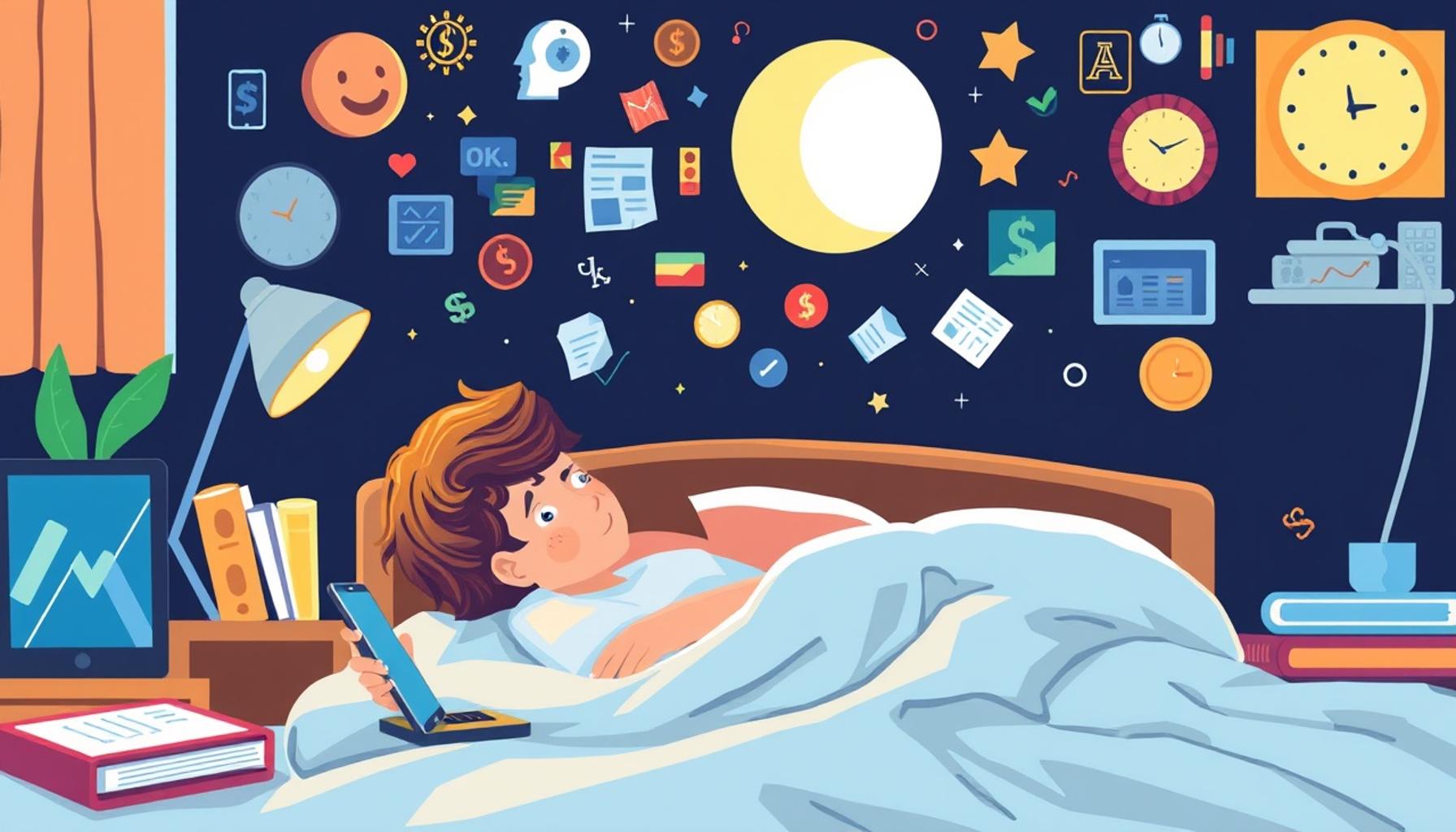
The Impact of Technology on Sleep: Tips to Reduce Exposure to Electronic Devices

Understanding the Disruption
The increasing integration of technology into our daily lives has transformed the way we live, work, and communicate. However, this reliance on electronic devices comes with unintended consequences. For instance, studies suggest that the blue light emitted by screens can interfere with our natural sleep cycles by inhibiting the production of melatonin, the hormone responsible for regulating sleep. This has raised alarms among health professionals and researchers alike, as the typical American spends over eight hours a day in front of screens.
Key Factors Influencing Sleep
- Blue Light Exposure: The blue light emitted by smartphones, tablets, and computers can disrupt melatonin production. This leads to difficulty in falling asleep or staying asleep, ultimately compromising sleep quality and duration.
- Device Usage Before Bed: Engaging with electronic devices right before bedtime increases alertness. This can trigger a mental responsiveness that makes it exceedingly hard to wind down, resulting in a prolonged time it takes to fall asleep.
- Constant Notifications: The allure of notifications keeps users in a state of hyper-vigilance. This constant need to check updates creates a mental barrier to relaxation and can contribute to anxiety, further disrupting sleep patterns.
In the United States, approximately 50-70 million adults struggle with sleep disorders, and technology is a significant contributor to this worrying trend. The relationship between tech usage and sleep problems calls for immediate attention, especially considering the health implications that stem from chronic sleep deprivation, such as cardiovascular issues, depression, and reduced cognitive function.
Finding a Balance
Implementing effective strategies to reduce nighttime exposure can significantly improve sleep quality. Awareness of device usage is the first step. However, knowing how to manage tech habits is crucial. Simple adjustments may include setting a bedtime for screen usage, utilizing blue light filters on devices, and establishing a tech-free environment an hour before sleep.
Moreover, incorporating other relaxing activities like reading a book, practicing meditation, or listening to calming music can also create a peaceful ambiance conducive to sleep. Regular exercise and a balanced diet play a complementary role in promoting better sleep hygiene. By making these minor yet impactful changes, one can mitigate technology’s interference and enhance overall well-being.
As we navigate through this tech-saturated world, finding a balance between our digital lives and our health is essential. In this article, we will explore practical tips designed to help you reclaim restful sleep, urging readers to consider the impact of technology on their nightly rest and encouraging further investigation into this pressing issue.
DISCOVER MORE: Click here to expand your support network
Understanding Sleep Disruption in a Digital Age
The rapid integration of technology into our daily routines has changed how we connect, communicate, and even relax. Yet, this digital immersion often comes at a cost to our sleep quality. The Centers for Disease Control and Prevention (CDC) reports that nearly one-third of American adults do not get the recommended seven or more hours of sleep per night. With the average individual spending upwards of 11 hours interacting with electronic devices each day, it’s no wonder that sleep disturbances are on the rise.
Identifying Key Factors
To better understand the connection between technology use and sleep troubles, it’s vital to dissect the specific elements that contribute to this phenomenon. Here are some crucial factors:
- The role of blue light: As previously mentioned, the blue light from screens inhibits the production of melatonin, the hormone that signals to your body that it’s time to sleep. This effect is most pronounced in the evening, making it crucial to limit screen exposure during this time.
- Engaging pre-sleep habits: Activities like scrolling through social media or watching action-packed shows can heighten mental alertness. This state of heightened awareness makes it challenging to transition into sleep mode, leading to longer periods of wakefulness and fragmented sleep patterns.
- Technological distractions: The constant buzz and ping of notifications drain your attention, potentially keeping you awake longer than intended. This phenomenon can induce a state of hyper-arousal, where your brain remains alert, further obstructing your ability to wind down before bedtime.
These factors collectively contribute to the growing number of individuals reporting sleep problems, with 40% of adults claiming that their mobile devices interfere with their ability to fall asleep. Given the various health risks associated with inadequate sleep—including obesity, cardiovascular disease, and increased anxiety—it’s crucial to address this pressing issue head-on.
Adopting Healthier Tech Habits
Recognizing the significance of technology’s impact on sleep is the first step toward improvement. It’s essential to adopt strategies to minimize exposure to electronic devices, particularly in the hours leading up to sleep. A few effective practices include:
- Establishing a digital curfew: Set a ‘no screen time’ rule at least one hour before bed to signal to your body that it’s time to unwind.
- Utilizing blue light blocking features: Many devices now offer settings to reduce blue light emission or can be outfitted with filter apps. These adjustments can help mitigate the impact of screen time on melatonin production.
- Creating a tech-free sleep environment: Consider setting up a dedicated relaxation area away from screens designed specifically for activities like reading or meditating.
By implementing these adjustments, individuals can take meaningful steps toward enhancing their sleep quality. It’s not merely about cutting out technology but finding a harmonious balance that fosters better rest and well-being. In the following sections, we will delve deeper into each of these strategies, providing actionable insights for reclaiming your sleep in the digital era.
The Impact of Technology on Sleep: Tips to Reduce Exposure to Electronic Devices
As more individuals rely on electronic devices for both work and leisure, understanding the impact of technology on sleep becomes increasingly crucial. Studies indicate that increased exposure to blue light emitted by screens can hinder melatonin production, a hormone essential for regulating sleep cycles. This disruption leads to difficulties in falling asleep and staying asleep, ultimately affecting overall health and cognitive function.To navigate this technological landscape effectively, it’s vital to adopt specific strategies to minimize exposure to electronic devices, particularly before bedtime. Establishing a screen-free zone in the bedroom is an empowering step. By creating an environment conducive to relaxation and sleep, individuals can enhance their nighttime routine. Additionally, the use of blue light filters or apps designed to reduce screen brightness can help mitigate the effects of technology on sleep.Another valuable tip involves setting a digital curfew. This entails designating a specific time in the evening when all electronic devices are turned off, which encourages winding down with activities like reading or meditation. Developing a calming pre-sleep routine can signal to the body that it’s time to rest.To provide further insight into the advantages of managing technology usage for improved sleep, consider the following table:
| Category | Advantages |
|---|---|
| Digital Detox | Enhances sleep quality by reducing screen time, leading to deeper and more restorative sleep. |
| Improved Focus | Less exposure to devices before bedtime promotes better concentration and productivity during the day. |
To further nurture healthy sleep habits, consider the role of physical activity and a balanced diet. Integrating regular exercise into daily routines while maintaining a diet rich in sleep-promoting nutrients can significantly improve sleep quality. It’s essential to recognize that thoughtful engagement with technology, coupled with these lifestyle choices, can foster a healthier relationship with sleep. Staying informed about the latest findings on the impacts of technology on sleep highlights the importance of adjusting our daily habits for optimal well-being.
DISCOVER MORE: Click here to learn about mindful eating
Enhancing Sleep Through Mindful Technology Use
As we navigate a world saturated with technology, understanding how to harness its benefits while minimizing its detrimental effects on sleep is crucial. Mindful technology use requires a conscious effort to balance our digital engagements with our need for restorative sleep. The following approaches extend beyond basic habits and delve into a more intentional relationship with technology:
Implementing Sleep Hygiene Practices
Creating an optimal sleep environment is as vital as reducing screen time. Sleep hygiene encompasses various practices that can enhance sleep quality. For instance:
- Consistent sleep schedule: Going to bed and waking up at the same time each day reinforces your body’s natural circadian rhythms, ultimately improving sleep consistency. It can be beneficial to set alarms not just for waking, but for bedtime as well, ensuring that you adhere to your schedule.
- Optimal sleep environment: Your bedroom should be conducive to sleep. Keep it dark, quiet, and cool, which studies show can significantly boost sleep quality. Consider using blackout curtains and sound machines or earplugs to create an ideal sleeping atmosphere.
- Limiting napping: While short naps can be refreshing, long or irregular napping during the day can negatively impact nighttime sleep. If you need to nap, limit it to 20-30 minutes and avoid late afternoon naps.
Mindfulness and Relaxation Techniques
Incorporating relaxation techniques can also be a game changer. Practices such as meditation, deep breathing, or gentle yoga can significantly reduce anxiety and prepare the mind for sleep. Engaging in these habits can lower heart rates and promote a sense of tranquility, counteracting the often overstimulating nature of technology.
Consider using app-guided sessions that focus on mindfulness or sleep relaxation without being overly engaging. Aim for options that are designed specifically for this purpose, rather than stimulating games or visually intensive applications.
Utilizing Technology for Good
Interestingly, not all technology is detrimental to sleep. Innovations can also promote better sleep health. For instance, sleep-tracking apps and devices can deliver valuable insights into your sleep patterns, enabling you to make informed decisions about your habits. Research shows that individuals who track their sleep may experience improvements in their sleep quality and duration.
Moreover, blue light glasses are becoming increasingly popular. While more studies are needed to fully assess their efficacy, many users report a reduction in eye strain and improved sleep quality when wearing them, particularly before bed. They provide a middle ground for those who may need to use devices late at night for work or study.
Ultimately, striking the right balance between utilizing technology and ensuring informed relaxation can restore sleep’s sanctity in our lives. As society increasingly embraces the digital age, it is incumbent upon us to carve out healthy boundaries that allow technology to coexist with our need for restorative rest, fostering not only better sleep but overall well-being.
EXPLORE MORE: Click here to discover the benefits of social networks for mental health</
Conclusion: Balancing Technology and Sleep for a Healthier Tomorrow
In our fast-paced, tech-driven world, understanding the impact of technology on sleep is more pertinent than ever. While devices provide an array of conveniences, the challenges they pose to our sleep patterns cannot be overlooked. The detrimental effects of blue light emissions and constant notifications create a perfect storm for sleep disruption. However, acknowledging these issues opens the door to proactive solutions that can harmonize our technology usage with our sleep needs.
Implementing strategies such as establishing a consistent sleep schedule, creating an optimal sleep environment, and utilizing technology mindfully can dramatically enhance sleep quality. Techniques such as mindfulness and relaxation practices further equip individuals to mitigate anxiety and stress, paving the way for a restful night. Additionally, innovative tools like sleep-tracking apps and blue light glasses demonstrate that technology can indeed serve as an ally in our quest for better sleep.
Looking ahead, as we plunge deeper into the digital age, the responsibility lies with each of us to set healthy boundaries. The future of our well-being depends on our ability to consciously navigate the intersection of technology and sleep. Are we prepared to prioritize restorative rest in our daily lives? Through keen awareness and intentional adjustments, we can ensure that technology enhances, rather than hinders, our sleep, ultimately leading to a healthier and more balanced life.
Related posts:
How the Sleep Environment Affects Rest Quality and Well-being
Ideal Sleep Environment: Tips for Creating a Restful Space
The relationship between diet and sleep quality: how eating habits impact sleep hygiene
The role of physical activity in sleep hygiene: how regular exercise can improve the quality of rest
Relaxation Techniques: Practices to Calm the Mind and Improve Sleep Quality
The effects of stress on sleep hygiene: strategies for restorative rest

Beatriz Johnson is a seasoned wellness coach and writer with a passion for simplifying the principles of holistic health and balanced living. With over a decade of experience in the wellness industry, she specializes in topics like mindful nutrition, sustainable fitness routines, and mental well-being strategies. Through her work on our website, Beatriz empowers readers to make informed lifestyle choices and cultivate habits that promote lasting harmony in their daily lives.