
Understanding the Impact of Lighting on Workplace Dynamics
Effective workplace organization is a multi-faceted endeavor that requires careful consideration of various elements, particularly lighting and ergonomics. In a world where remote and hybrid work environments are more common, implementing effective lighting strategies can significantly impact workplace dynamics.
Research highlights that proper lighting can drastically affect employee performance and well-being. For instance, a study published by the Lighting Research Center shows that well-lit offices can enhance productivity by up to 20%. Key benefits of optimal lighting include:
- Improved mood and morale: Natural light exposure has been associated with higher levels of serotonin in the brain, which can help elevate mood and motivation. Workplaces that incorporate windows or skylights not only make the space feel more open but also improve employees’ overall happiness.
- Enhanced focus and concentration: Dynamic lighting, which adjusts to time of day, can help employees maintain focus throughout their work hours. Soft, warm lighting in the morning can promote a relaxed work environment, while cooler, brighter lighting in the afternoon can boost alertness and concentration.
- Reduced eye strain and headaches: Flickering fluorescent lights have been known to cause eye strain, leading to headaches and diminished productivity. Opting for LED lights with a softer glow can reduce these occurrences, leading to a more comfortable and efficient workspace.
The Significance of Ergonomic Design in Workspaces
Conversely, understanding ergonomic practices is fundamental to improving employee comfort and efficiency. An ergonomic workspace is designed to fit the employee, not the other way around. By prioritizing ergonomic designs, workplaces can achieve:
- Decreased risk of injury: Musculoskeletal disorders are a leading cause of workplace injury in the U.S., often stemming from poor workstation setups. Adjustable chairs, desks, and monitor stands allow employees to customize their environments, promoting better posture and reducing strain.
- Increased comfort during tasks: Ergonomically designed tools can significantly ease the pressure on the body during repetitive tasks. For instance, keyboard and mouse designs that support natural hand positions help decrease discomfort associated with prolonged computer use.
- Boosted long-term productivity: Studies have shown that employees in ergonomically optimized work environments report higher productivity levels. When workers feel good physically, they are far more likely to engage positively with their tasks, contributing to overall company success.
As the U.S. embraces remote work with ever-increasing enthusiasm, the significance of lighting and ergonomics becomes even more evident. Employers should be encouraged to invest in creating a hybrid workspace that merges efficient lighting solutions with ergonomic principles. Such thoughtful investments lead not only to enhanced employee efficiency but also cultivate a more satisfying, healthier work-life balance.
DIVE DEEPER: Click here to enhance your task prioritization skills
Optimizing Workplace Longevity with Thoughtful Design
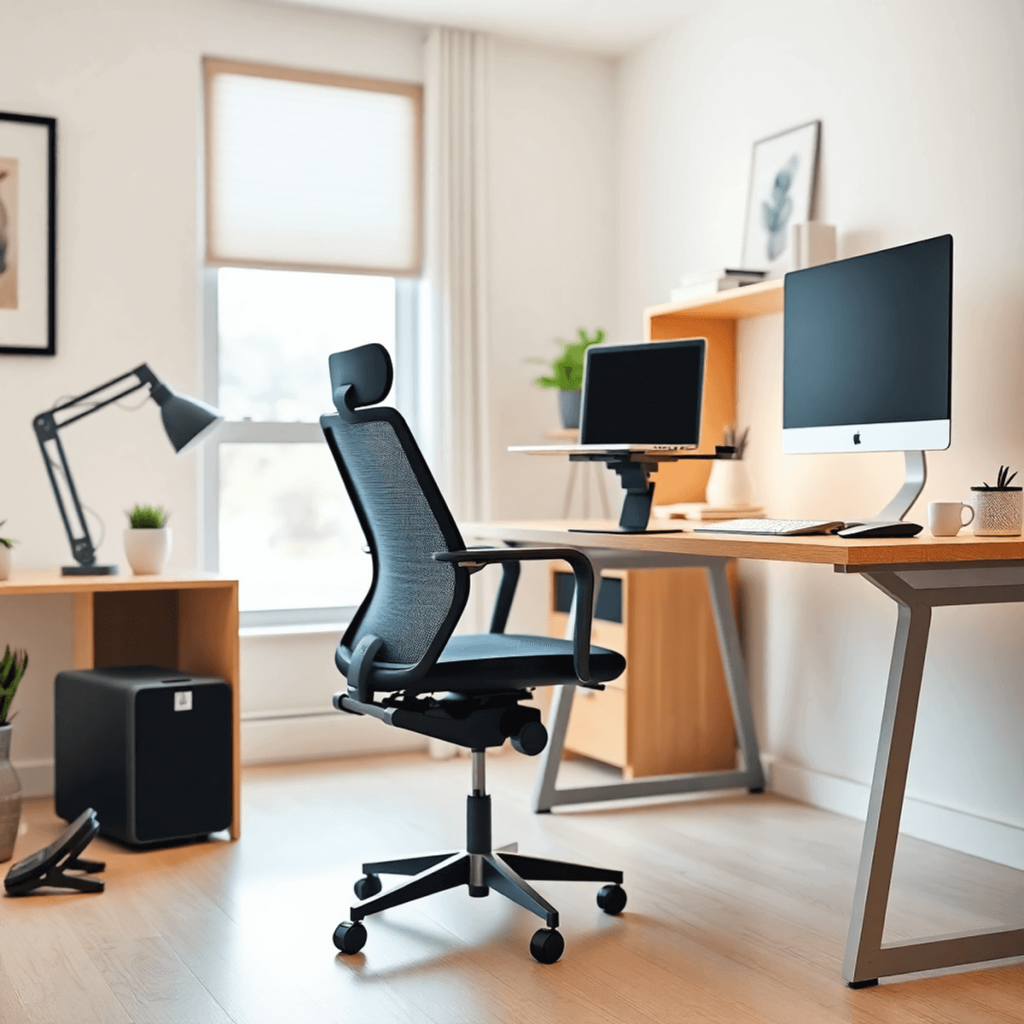
As organizations across the United States adapt to flexible working environments, the need to prioritize both lighting and ergonomics in workplace organization has never been more critical. While illuminating spaces effectively is essential for productivity, crafting ergonomic workstations ensures long-lasting comfort and health for employees. Interestingly, the alignment of these two factors not only enhances individual well-being but also catalyzes the overall success of a company.
The interplay between lighting and ergonomics is profound. Proper lighting serves not only as a means to illuminate work areas but also plays a pivotal role in reducing fatigue and enhancing focus. Addressing the ergonomic design of workstations, meanwhile, can significantly alleviate physical strain on employees. Together, they create an environment that fosters both mental and physical wellness, leading to improved morale and productivity. Key benefits of integrating lighting and ergonomic solutions in workplace design include:
- Enhanced clarity and creativity: Good lighting conditions make a workplace conducive to creativity. A bright, well-lit office environment can reduce cognitive fatigue, enabling employees to generate ideas and solutions more effectively.
- Alignment of body and task: When lighting works in harmony with the ergonomic design, it allows employees to maintain better posture and alignment as they engage in various tasks. This synergy can result in fewer distractions and greater engagement with one’s work.
- Financial savings: Addressing lighting and ergonomic issues early can lead to significant cost savings over time. Companies can reduce compensation claims related to workplace injuries and illness, along with decreasing absenteeism rates, when employees feel comfortable and well-equipped to perform their duties.
Moreover, investments in lighting technology have been shown to yield sustainable returns. For instance, studies reveal that workplaces that incorporate smart lighting systems, which adjust automatically to ambient light and activity levels, not only reduce energy consumption but also enhance employee satisfaction. When tasks can be carried out effectively without harsh glaring lights, employees derive a sense of comfort that encourages longer, more productive work hours.
Similarly, the adoption of ergonomic principles can no longer be viewed as a luxury; rather, it’s essential for fostering a supportive work environment. A report from the U.S. Bureau of Labor Statistics revealed that over 31% of workplace injuries are attributed to poor ergonomics. Thus, workplaces that emphasize specialized ergonomic furniture and equipment showcase a commitment to their employees’ health and safety, making it a strategic advantage in attracting and retaining talent in an ever-competitive job market.
In light of these compelling insights, it is clear that the time has come for employers to embrace an integrated approach that harmonizes lighting and ergonomics within their workplace organization. Both elements can profoundly shape the employee experience and ultimately determine a company’s longevity and success.
The Importance of Lighting and Ergonomics in Workplace Organization
When considering the factors that contribute to a productive workplace, lighting and ergonomics emerge as critical elements. Proper lighting not only enhances visibility but also influences mood and energy levels among employees. Businesses that invest in high-quality lighting solutions report improved focus and reduced fatigue, ultimately leading to enhanced productivity. For instance, natural light has been shown to boost employee satisfaction, decrease stress levels, and even lower absenteeism rates.
In parallel, ergonomics plays a vital role in creating a workspace that promotes comfort and reduces the risk of injury. Ergonomic design involves adjusting office layouts, furniture, and tools to fit the employee’s needs, which is essential for preventing repetitive stress injuries. Companies that embrace ergonomic principles often see a decrease in workers’ compensation claims and an increase in overall employee well-being. Moreover, by enabling employees to work in a comfortable posture with accessible tools, ergonomically optimized workplaces can lead to greater efficiency and lower turnover rates.
| Lighting | Ergonomics |
|---|---|
| Natural Light | Adjustable Desks |
| Reduces Eye Strain | Promotes Comfort |
The integration of effective lighting and ergonomic designs does not just foster a pleasant atmosphere; it also serves as a catalyst for innovation and progress within organizations. As companies become more aware of the substantial impacts these elements have on workforce dynamics, they are likely to adopt more sophisticated strategies that prioritize both health and productivity. Understanding the science behind these factors can ultimately lead to more informed decisions that benefit both employees and employers alike.
DISCOVER MORE: Click here to enhance your productivity
Creating a Holistic Work Environment: The Symbiotic Relationship of Lighting and Ergonomics
To fully appreciate the importance of lighting and ergonomics in workplace organization, it is essential to understand how these elements complement one another to create a holistic work environment. An effective workspace design is more than just a physical layout; it embodies a culture that prioritizes the health, happiness, and productivity of employees. By embracing innovative technologies and data-driven insights, organizations can craft spaces that contribute to their employees’ overall well-being.
One must first consider the role of natural light in workplace design. Studies have shown that employees exposed to adequate natural light report higher levels of job satisfaction and less fatigue. Natural light influences the body’s circadian rhythm, which regulates sleep patterns and overall mood. Workplaces that incorporate large windows or skylights not only utilize daylight in their lighting design but also promote a better connection between employees and the outside world. Furthermore, research from the Harvard Business Review indicates that workplaces with sufficient natural light can increase productivity by as much as 15%. This statistic serves as a compelling motivation for companies to invest in smart architectural designs that maximize daylight exposure.
Complementing natural light is the strategic use of artificial lighting. Factors such as color temperature, brightness levels, and light distribution can significantly impact employees’ performance. For instance, warmer light (around 2700K) provides a cozy ambiance suitable for collaboration and discussions, while cooler temperatures (around 5000K) enhance focus and alertness, ideal for tasks requiring concentration. Implementing a lighting design that transitions between these conditions based on time and task can create an adaptable atmosphere that addresses various employee needs throughout the day.
Furthermore, ergonomic considerations extend beyond merely selecting the right chair and desk height. Investing in multifaceted ergonomic tools, such as adjustable sit-stand desks, keyboard trays, and monitor arms, can empower employees to tailor their workspace to their comfort. A study published in the Journal of Human Factors and Ergonomics revealed that employees who use adjustable workstations reported a 30% reduction in discomfort levels. This enhancement goes beyond physical health; it translates into increased morale, creativity, and productivity.
Training and awareness also play pivotal roles in integrating lighting and ergonomics effectively. Employees should be educated about the importance of proper lighting and ergonomic practices in their daily routines. Organizations can host workshops or provide online resources to teach employees how to adjust their workstations, optimize their lighting conditions, and adopt healthy work habits. Engaging employees in proactive discussions regarding their workspace allows for a culture of continuous improvement surrounding comfort and productivity.
In addition to influencing employee well-being, effective lighting and ergonomic solutions can contribute to a company’s corporate identity. Innovative workspace designs that emphasize employee comfort and environmental sustainability resonate with prospective clients and recruits alike, giving organizations a competitive edge in a fast-paced market. Studies indicate that companies investing in employee well-being see improved customer satisfaction and loyalty, creating a ripple effect that extends beyond workplace walls. Thus, tackling lighting and ergonomics becomes not just a matter of occupational well-being, but also a strategic approach to establishing a strong organizational brand.
DISCOVER MORE: Click here to learn how to classify your tasks effectively
Conclusion: A Strategic Path to Workplace Excellence
The integration of lighting and ergonomics in workplace organization represents a multifaceted approach that can significantly enhance employee well-being, productivity, and overall satisfaction. As demonstrated, the positive effects of natural light extend beyond aesthetics, influencing not only mood and energy levels but also performance metrics, while properly configured artificial lighting further refines work conditions to match cognitive demands throughout the day.
Moreover, prioritizing ergonomic solutions, such as adjustable workstations and personalized support tools, fosters an environment where employees can thrive comfortably and sustainably. Research indicating a 30% reduction in discomfort levels reinforces the notion that strategic investments in such areas can yield remarkable returns in employee morale and efficiency. Training initiatives that underscore the significance of these enhancements help create a culture of awareness, encouraging individuals to take ownership of their own health and productivity in the workplace.
Ultimately, organizations that embrace these essential design principles not only improve their internal atmosphere but also bolster their corporate image and appeal to prospective talent. As the competition for skilled employees intensifies, companies that invest in employee well-being through effective lighting and ergonomic interventions can distinguish themselves in the market. In this evolving commercial landscape, addressing the pivotal aspects of lighting and ergonomics is not merely a choice but a necessary strategy for sustainable growth and innovation.

Linda Carter is a writer and productivity and personal organization specialist focused on helping readers build better routines, manage their time, and stay on top of daily priorities. With experience covering practical planning methods, habit-building strategies, and tools for organization, Linda shares actionable guidance on our platform. Her goal is to empower readers with clear, realistic tips to work smarter, reduce overwhelm, and stay consistent over time.