
The Impact of Color Psychology
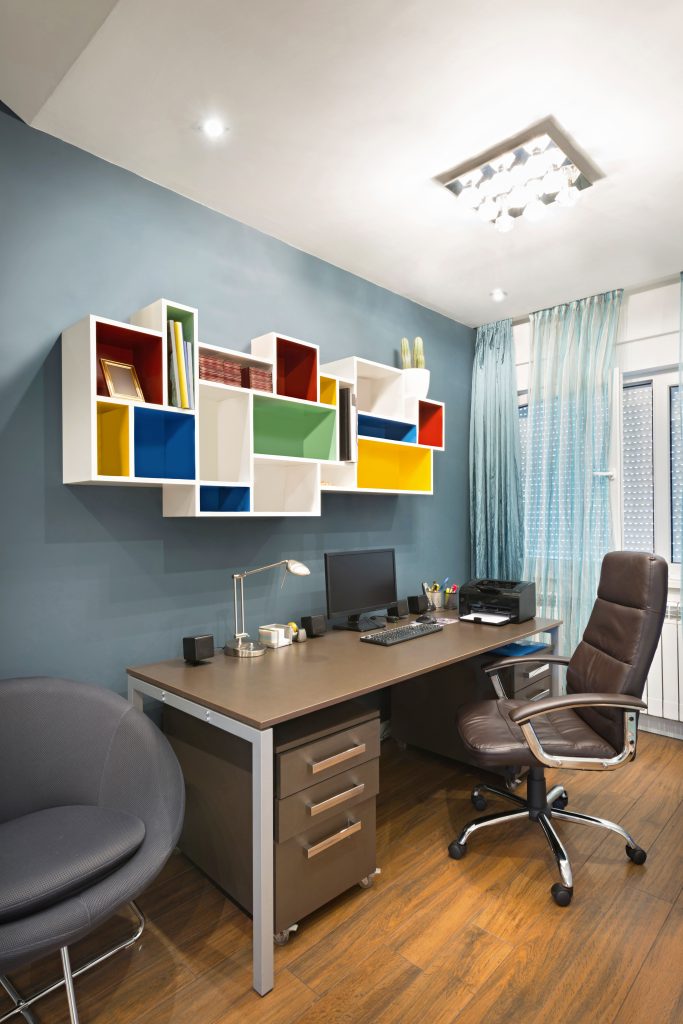
Color plays a substantial role in shaping our emotional landscape, especially in the workplace. The field of color psychology highlights how different hues can evoke distinct emotions and behaviors. For instance, the color blue is often associated with tranquility and can help foster a sense of focus and concentration, making it a popular choice for offices where critical thinking is required. Companies like Facebook and IBM utilize blue in their branding to resonate with these calming effects.
On the other hand, yellow, the color of sunshine, is known to invigorate and energize. It can encourage creativity and innovation, which is why it’s frequently used in creative industries such as advertising and design. In addition, warmer shades like orange can promote enthusiasm and stimulate interaction, making it an excellent choice for collaborative spaces.
Decoration Styles and Their Influence
The decoration style of a workplace significantly influences its atmosphere. A modern, minimalist approach can create a sense of spaciousness and clarity, reducing potential distractions and allowing employees to focus better on their tasks. Tech companies like Apple adopt sleek and simple designs to foster an environment of innovation without excess noise and clutter.
Conversely, a cozy or eclectic style, characterized by soft textiles, diverse artwork, and communal spaces, can encourage team bonding and open communication. Companies like Google have employed such designs to cultivate a sense of belonging and collaboration among employees, enhancing their collective creativity.
The Importance of Personalization
Personalization is another crucial factor in enhancing workplace morale. By incorporating personal touches, such as family photographs, favorite artwork, or indoor plants, employees are likely to feel a stronger connection to their workspace. A study from the University of Exeter found that workplaces with plants not only enhance aesthetics but also increase productivity by 15%. Greenery not only improves air quality but also provides a refreshing contrast to the often sterile office environment.
The Bottom Line
To sum up, harnessing the power of color and decoration can revolutionize a workplace, transforming it into a space that promotes productivity and employee satisfaction. With the right combination of colors and styles, organizations can create environments that inspire creativity and foster collaboration. As we explore these concepts further, you may find innovative ways to enhance your own workspace or that of your team, ultimately contributing to greater success in your professional endeavors.
DIVE DEEPER: Click here to unlock the secrets of effective task management!
Understanding Color Associations in the Workplace
The influence of colors is not merely subjective; it is deeply rooted in psychological principles that can dictate workplace productivity and employee motivation. Each color carries its own unique set of associations and psychological effects that can significantly impact how individuals interact with each other and their tasks. For example, research has shown that the color green evokes feelings of harmony and renewal, serving as a natural stress reliever. This makes it an ideal color choice for environments that may be high-pressure, such as healthcare settings or finance offices. Companies looking to enhance well-being and creativity should consider integrating shades of green in their office design.
Moreover, the use of red can create a sense of urgency, which might be beneficial in certain contexts, such as sales environments where quick decision-making is essential. However, excessive use of red may lead to heightened stress, indicating the importance of balancing color choices thoughtfully. A well-designed office space might leverage these associations by using red sparingly, perhaps in accents or specific zones designated for high-energy tasks.
The Role of Space and Layout in Decoration Styles
A workspace does not exist in a vacuum; its layout and decoration style play a vital role in how the chosen colors affect employee focus and motivation. Consider the following styles:
- Open Plan Offices: Designed to promote collaboration, they often feature bright colors and dynamic designs to foster interactions among employees. However, the noise and distractions of these environments can sometimes impede focus.
- Private Offices: These often employ calming colors like blue or green and are designed to minimize distractions, ideal for deep thinking and concentration.
- Activity-Based Workspaces: This modern approach creates various spaces within the office to cater to different work styles, blending elements of both collaborative and private working areas. A well-thought-out color scheme can guide employees naturally between tasks.
Decorating with intention—choosing colors and styles that resonate with the nature of the work being done—can create spaces that feel both personal and professional. Companies such as Zappos, known for their vibrant artistic flair, often find that their unique office designs contribute to an invigorating workplace culture. Each corner of the office invites creativity and promotes focus, demonstrating how thoughtful decoration can redefine an employee’s engagement with their environment.
Bridging Aesthetic Appeal with Functionality
Ultimately, achieving the right balance between aesthetics and functionality is key. Colors and decor must support the intended purpose of each workspace, empowering employees to thrive in their roles. Engaging with the principles of color psychology and effective decoration styles not only cultivates an appealing environment but can also lead to elevated levels of motivation and focus. As we delve deeper into the relationship between these elements and workplace efficacy, organizations stand to gain invaluable insights into how simple changes can yield profound results.
The Psychology of Color in the Workplace
Color has a powerful influence on our emotions and behavior, making it a pivotal aspect of workplace design. Studies show that certain colors can enhance motivation and focus. For example, blue tones are known to promote calm and boost productivity, while red can evoke energy and excitement, making it suitable for dynamic environments. Yellow often enhances creativity and optimism, which can be beneficial for brainstorming sessions. The careful choice of colors in office spaces can significantly impact employee performance and satisfaction.
Decoration Styles and Their Impact
The style of decoration also plays a critical role. Modern minimalist designs can help reduce distractions, allowing employees to concentrate better on their tasks. On the other hand, incorporating elements of biophilic design—such as plants and natural light—can foster a connection with nature, which studies suggest enhances focus and reduces stress. The balance between aesthetics and functionality within a workspace can ultimately dictate the level of motivation among employees.Moreover, personalization of workspaces is emerging as a trend that can lead to greater engagement. Encouraging employees to customize their surroundings with colors and decorations that resonate with them not only boosts their morale but also promotes a sense of belonging and productivity.
The Significance of Lighting
While colors and decoration styles are crucial, the importance of lighting cannot be overlooked in enhancing focus. Natural lighting, for instance, has been found to improve mood and energy levels, which in turn elevates motivation. Additionally, using adjustable artificial lighting can cater to individual preferences and adapt to different tasks, making it an essential component of a well-designed office.In summary, the amalgamation of color psychology, thoughtful decoration, and optimal lighting strategies creates an environment conducive to enhanced motivation and focus at work. By understanding these factors, employers can leverage them to create inspired workplaces that promote well-being and productivity.
DISCOVER MORE: Click here to enhance your time management skills
Exploring Nature-Inspired Design for Enhanced Well-being
As the modern workplace evolves, many organizations are looking towards biophilic design to enhance employee motivation and focus. This approach incorporates elements of nature—such as plants, natural light, and organic materials—into the office environment. Research suggests that integrating these elements can improve not only air quality but also psychological well-being. A study from the Human Spaces report found that employees working in environments with natural elements reported a 15% higher level of well-being, translating to greater focus and productivity.
Colors often associated with nature, such as various shades of earthy browns, sky blues, and the aforementioned greens, can serve to create a harmonious atmosphere. By strategically introducing these tones through wall decorations or furniture, companies can create a tranquil environment that promotes mental clarity. For instance, a tech startup in Silicon Valley incorporated moss walls and views of green spaces, reporting a significant decline in employee stress levels and an increase in creative problem-solving.
The Psychological Effects of Color Temperature
Beyond the basic color hues, color temperature plays a vital role in setting the mood of a workspace. Warm colors, such as reds and yellows, are often energetic and invigorating, while cool colors like blues and greens have a calming effect. Studies suggest that workplaces that balance warm and cool colors can cater to a variety of tasks and improve overall employee satisfaction. For instance, incorporating warm lighting in collaboration spaces can energize discussions, whereas cooler lighting in individual workstations can promote concentration and focus.
- Task-oriented Zones: Designating areas with specific color temperatures can direct employees toward the appropriate energy levels required for their tasks. For example, using cooler lighting in focus areas can enhance attention, while warmer tones in breakout areas can encourage teamwork and brainstorming.
- Adaptive Spaces: Flexible workspaces that allow for color temperature adjustments can empower employees to personalize their surroundings based on the tasks at hand, tailoring their work environment to suit their productivity needs.
Integrating Cultural Influences and Personal Preferences
In today’s diverse workforce, acknowledging cultural differences and personal preferences in color and design choices can significantly enhance motivation and focus. While some cultures may thrive in vibrant, bold environments, others might prefer soothing, monochromatic schemes. By involving employees in the design process, organizations can foster a sense of ownership and belonging, leading to heightened morale and engagement.
For example, a collaborative effort at an international firm allowed employees to vote on the colors and styles they wished to see in common areas. This not only resulted in an office that reflected a global perspective but also established stronger interpersonal connections among team members. The end result was an environment that resonated with cultural significance and comfort, effectively boosting motivation and collective focus.
The intricate relationship between color, decoration styles, and workplace efficiency opens up numerous avenues for exploration. Organizations willing to embrace these changes stand to improve not just the aesthetic appeal of their spaces, but also the overall productivity and job satisfaction of their employees.
DISCOVER MORE: Click here to enhance your productivity
Conclusion: The Transformative Power of Colors and Design in the Workplace
In conclusion, the impact of colors and decoration styles on workplace motivation and focus cannot be overstated. As we’ve explored, strategic color choices can create environments that enhance employee well-being, foster creativity, and improve productivity. From the calming effects of nature-inspired hues and biophilic elements to the invigorating properties of warm color temperatures in collaborative spaces, it’s clear that the visual aspects of the workplace play a significant role in shaping employee performance.
Furthermore, embracing cultural influences and personal preferences in design fosters a greater sense of ownership among employees, leading to increased morale and engagement. Organizations that prioritize a thoughtfully designed workspace are not just investing in aesthetics; they are creating a foundation for a more motivated and focused workforce. For instance, flexible workspaces that adapt to varying tasks and allow for employee customization empower individuals to optimize their environments for maximum efficiency.
As companies strive for competitive advantage in today’s fast-paced market, the thoughtful integration of colors and decoration styles presents an innovative opportunity to boost productivity. Moving forward, businesses should continue to explore and experiment with design elements that resonate with their workforce. By doing so, they will not only enhance the aesthetic appeal of their offices but also promote a culture of positivity and heightened performance.

Linda Carter is a writer and productivity and personal organization specialist focused on helping readers build better routines, manage their time, and stay on top of daily priorities. With experience covering practical planning methods, habit-building strategies, and tools for organization, Linda shares actionable guidance on our platform. Her goal is to empower readers with clear, realistic tips to work smarter, reduce overwhelm, and stay consistent over time.