The Influence of Digital Social Networks on Real-Life Connections and Healthy Living
The Impact of Digital Networks on Human Interaction and Well-being
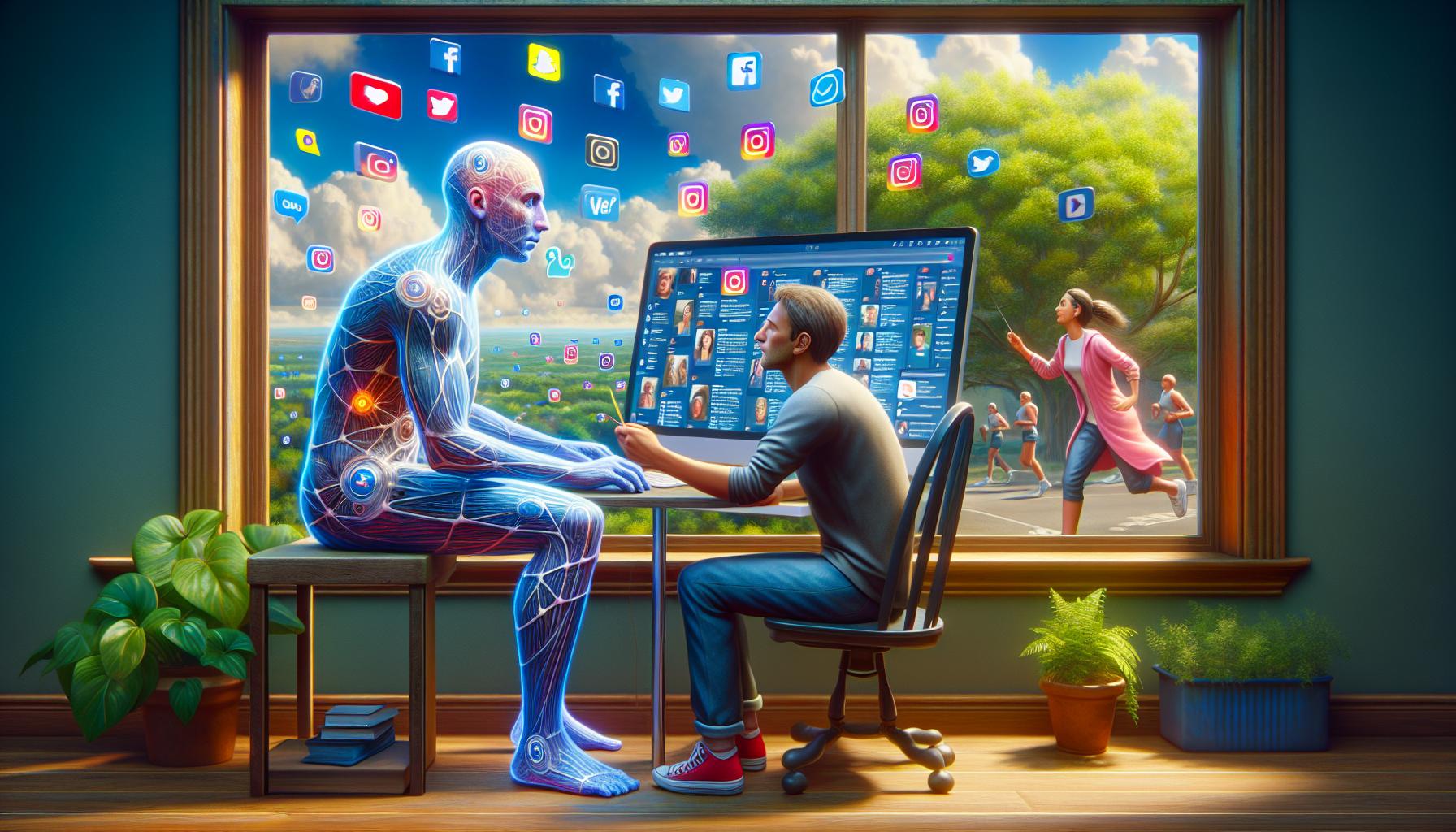
In an age where digital social networks form the backbone of our social lives, there is a compelling need to scrutinize their influence on our real-world relationships and overall health. With platforms like Facebook, Instagram, and Twitter becoming essential communication tools, they not only shape our dialogues but also redefine the very essence of social interaction. Understanding their multifaceted impact will give us insights into navigating this new terrain effectively.
The mode and style of our communication have transformed dramatically, largely due to the facilitation of instant connectivity that digital networks provide. For instance, a simple tweet can instantly reach thousands, transcending geographical boundaries and time zones. As a result, family members and friends separated by miles can share experiences, celebrate achievements, or offer condolences with a few taps on their devices. This smooth fusion of virtual and tangible experiences enhances emotional connectivity, as seen in families utilizing video calls to maintain closeness despite physical distances.
Another profound aspect is the phenomenon of community building, which thrives in online spaces. Social media platforms allow individuals with niche interests, whether it’s gardening, gaming, or mental health advocacy, to find each other and form supportive networks. For example, Facebook groups dedicated to specific hobbies can bring together thousands who share a passion, enabling socialization that might not occur in their immediate surroundings. Such virtual communities can lead to real-life gatherings, workshops, or events, strengthening bonds beyond screens.
Moreover, the accessible nature of online networks often provides vital emotional support, particularly for individuals who may struggle to establish connections locally. For instance, a person facing challenges like anxiety can find solace in online support groups, connecting with others who understand their struggles. These platforms have become crucial lifelines, especially during times of social isolation, such as the COVID-19 pandemic, where physical interactions were limited.
However, while these benefits are noteworthy, challenges loom large that warrant equal attention. Striking a balance between engaging online and nurturing face-to-face interactions is pivotal in preserving healthy relationships. Overreliance on digital communication can lead to a sense of isolation, as meaningful interactions often require physical presence and nonverbal cues.

The Influence of Social Media on Healthy Living
When examining the implications of social media on healthy living, the positive and negative facets become apparent. On one hand, exposure to a plethora of fitness and wellness content can serve as a powerful motivator for adopting a healthier lifestyle. For instance, platforms like Instagram are replete with influencers who showcase workout routines or healthy meal prep ideas, compelling their followers to embark on similar journeys.
Additionally, social media offers avenues for promoting mindful awareness, especially regarding mental health. Communities dedicated to mental wellness can amplify awareness about vital issues, leading to a supportive environment where individuals feel empowered to share their experiences and seek help. Campaigns like #MentalHealthAwareness on various platforms exemplify how digital spaces can facilitate conversations that were once stigmatized.
Yet, it is crucial to remain vigilant about the potential for misinformation. Social networks can just as easily spread unhealthy trends or misleading health advice, which can detrimentally affect individuals’ wellness routines. For instance, fads like extreme dieting or unverified fitness regimes can gain traction and mislead individuals seeking genuine health improvements.
Ultimately, as we delve deeper into the implications of digital social networks, it becomes increasingly essential to evaluate both the benefits and the challenges they bring into our daily lives. Our understanding will enable us to harness these platforms in ways that augment our real-life experiences while promoting healthier communication and lifestyles.
DIVE DEEPER: Click here to discover the powerful effects of exercise on mental health
Reshaping the Landscape of Interpersonal Relationships
The emergence of digital social networks has undeniably transformed how we connect and interact with one another. In the United States, where more than 70% of adults actively use social media, platforms such as Facebook, Instagram, and TikTok have become essential tools for communication. They facilitate not only personal connections but also enable the formation of broader social networks that span across various demographics and interests.
One of the most notable changes has been the increasing reliance on digital means for maintaining relationships. Many people now communicate predominantly through messages and posts, often prioritizing screen time over face-to-face interactions. This can lead to a phenomenon known as technological socialization, where individuals, particularly younger generations, may struggle to develop essential interpersonal skills as they become accustomed to interactions that lack the nuances of in-person discussions. Despite these concerns, digital networks offer an emblematic solution for busy individuals caught in the whirlwind of modern life.
Furthermore, the digital landscape has democratized the creation of connections. Social networks allow individuals to find communities that reflect their unique interests and identities. Some key aspects of this transformation include:
- Support Groups and Activism: Individuals facing obstacles such as addiction, chronic illness, or mental health challenges can find valuable support and camaraderie in online communities.
- Interest-Based Networking: From arts to activism, social media platforms foster connections between people with shared passions, creating opportunities for collaboration and engagement that may not otherwise exist.
- Global Perspectives: The ability to interact with people from diverse backgrounds allows for the exchange of ideas and experiences, broadening our understanding of issues affecting different communities.
However, the question arises: does this increased connectivity equate to stronger real-life relationships? Studies suggest a mixed picture. On one hand, online interactions can supplement and enhance relationships by providing various channels to communicate and share experiences. On the other hand, a heavy reliance on digital communication may contribute to feelings of loneliness. For many, the absence of physical presence can diminish the emotional depth of interactions, leaving individuals feeling disconnected even amidst a sea of online connections.
The Role of Digital Networks in Promoting Healthy Living
As we navigate through our digital lives, social media also plays a prominent role in shaping perceptions and behaviors related to health and wellness. The increasing popularity of fitness influencers, wellness challenges, and health-related content provides ample inspiration for individuals looking to adopt healthier lifestyles. For instance:
- Awareness Campaigns: Social networks serve as platforms for health awareness initiatives, from breast cancer fundraising drives to mental health discussions. Campaigns like #Fitspiration encourage individuals to strive for healthier, more active lives.
- Accessibility of Information: Users can easily access a plethora of wellness resources, including workout plans, nutrition advice, and mental health support.
- Community Support: Online fitness groups or health journals provide accountability and motivation, enabling users to share their journeys and progress with followers and friends.
In summary, while the influence of digital social networks on real-life connections and healthy living presents several opportunities, caution must be exercised. Understanding and navigating the balance between online interactions and real-life engagements is crucial to ensuring that these platforms contribute positively to our social lives and well-being.
| Category | Key Features |
|---|---|
| Social Connectivity | Enhances relationships by maintaining communication across distances, allowing users to reconnect with old friends and facilitate new friendships. |
| Health Awareness | Promotes healthy lifestyles through fitness challenges, sharing nutritional information, and inspiring motivational content to encourage well-being. |
The relationship between digital social networks and our real-life connections is multifaceted and complex. With social platforms evolving continuously, they serve as vital tools for connecting individuals who may not otherwise cross paths. For instance, users can participate in online communities focused on specific interests or health issues, fostering a sense of belonging and shared understanding.Moreover, as these networks encourage the sharing of personal stories and experiences, they enhance awareness about various health topics. Users often post about their health journeys, thereby influencing their peers to reflect upon their own lifestyle choices. This dynamic interaction promotes a collective effort toward healthier living. By utilizing these platforms effectively, individuals can harness the positive aspects of social networks to uplift their social interactions and make informed health decisions. As we explore further, the impact of digital social networks also raises questions about the balance between virtual and physical connections in our lives.
DISCOVER MORE: Click here for tips on mindful eating for kids
The Paradox of Connection: Loneliness in a Hyper-Connected World
Despite the rapid proliferation of digital social networks, the paradox of connection is emerging as one of the most concerning outcomes of our hyper-connected society. Recent studies, including a report by the American Psychological Association, highlight that individuals who spend excessive time on social media tend to report higher levels of loneliness and isolation. The irony lies in the fact that while these platforms aim to promote connectivity, they often leave users feeling more disconnected than ever.
The reasons for this phenomenon are multi-faceted. Firstly, social media creates an environment ripe for comparison and competition. Users often present curated versions of their lives, showcasing accomplishments, travels, and milestones that can lead to feelings of inadequacy among their peers. This contributes to a sense of ‘missing out,’ or FOMO, which is particularly prevalent among younger populations. A study conducted by the Pew Research Center found that 60% of teens feel pressured to present a certain image online, hinting at the emotional toll such expectations can impose.
Secondly, the quality of online interactions varies significantly compared to in-person engagement. While a digital ‘like’ or comment can provide momentary satisfaction, it often lacks the emotional depth and connection found in face-to-face encounters. The nuances of body language, vocal tone, and eye contact are integral to meaningful exchanges, yet these are wholly absent in virtual communication. A survey from the University of California indicates that 40% of respondents feel that online interactions fail to effectively reduce feelings of loneliness.
The Impact on Mental Health and Wellness
The dynamics of social media and real-life connections also bear significant implications for mental health. The World Health Organization has identified social isolation as a critical risk factor for various mental health disorders, including anxiety and depression. As individuals increasingly replace meaningful interactions with passive scrolling, they become more susceptible to these challenges.
On the positive side, however, there are growing initiatives within digital social networks aimed at fostering genuine connections and promoting mental well-being. For example, the hashtag #MentalHealthMatters has gained traction across platforms like Instagram and Twitter, creating a vital space for users to share experiences, seek help, and engage openly in discussions about mental health. Furthermore, platforms such as Reddit host support communities where individuals can find solace and advice from those facing similar challenges.
- Teletherapy and Mental Health Apps: The rise of therapy apps has coincided with our increasing dependence on digital networks, offering users convenient access to mental health support and resources.
- In-Person Meetup Apps: Applications designed to promote real-life interactions, such as Meetup, help break through the barriers of online-only friendships by allowing users to connect based on mutual interests in physical settings.
- Digital Detox Movements: The growing trend of digital detoxes encourages individuals to disengage from social media to reconnect with themselves and foster healthier real-life relationships.
Ultimately, the discussions surrounding the influence of digital social networks on real-life connections and healthy living illuminate a complex interplay between technology and human emotion. As we continue to grapple with the impact of these platforms, it becomes increasingly essential to cultivate a balanced approach that prioritizes authentic connections and mental well-being.
DIVE DEEPER: Click here to discover how social networks impact our health
Conclusion: Navigating the Digital Frontier for Healthier Relationships
In examining the influence of digital social networks on real-life connections and healthy living, it is clear that we stand at a crossroads. While these platforms provide unprecedented opportunities for interaction and support, they also give rise to challenges that can compromise mental health and genuine relationships. As the data suggests, the more time spent engaged in online worlds, the more individuals risk encountering feelings of loneliness and inadequacy. This juxtaposition highlights the urgent need for a conscious and balanced approach to our digital consumption.
As we contemplate our digital habits, it becomes essential to seek out authentic connections. Initiatives such as teletherapy and in-person meetup apps demonstrate the potential of technology to foster real-life interactions and fortify mental well-being. The growing trend of digital detox movements offers a refreshing reminder that sometimes stepping away from screens is the key to enhancing our relationships and improving our overall health.
Ultimately, cultivating a mindful relationship with digital social networks can empower us to navigate the complexities of modern interaction. By prioritizing meaningful engagement both online and offline, we can harness the positive aspects of technology while mitigating its drawbacks. As we strive for a well-rounded quality of life, understanding the dual nature of our digital connections is vital in fostering a healthier, happier society.
Related posts:
Strategies to Expand Your Support Network and Improve Quality of Life
How cultivating healthy relationships can improve your lifestyle habits
How Group Activities Strengthen Social Bonds and Promote Healthy Habits
The Role of Community Engagement in Developing Healthy Habits
Building Communities: The Role of Social Interactions in Developing Healthy Habits
How Community Activities Strengthen Social Ties and Promote Healthy Habits

Beatriz Johnson is a seasoned wellness coach and writer with a passion for simplifying the principles of holistic health and balanced living. With over a decade of experience in the wellness industry, she specializes in topics like mindful nutrition, sustainable fitness routines, and mental well-being strategies. Through her work on our website, Beatriz empowers readers to make informed lifestyle choices and cultivate habits that promote lasting harmony in their daily lives.