The influence of natural light on sleep hygiene: how sun exposure can regulate your sleep cycle

Exploring the Impact of Natural Light on Sleep
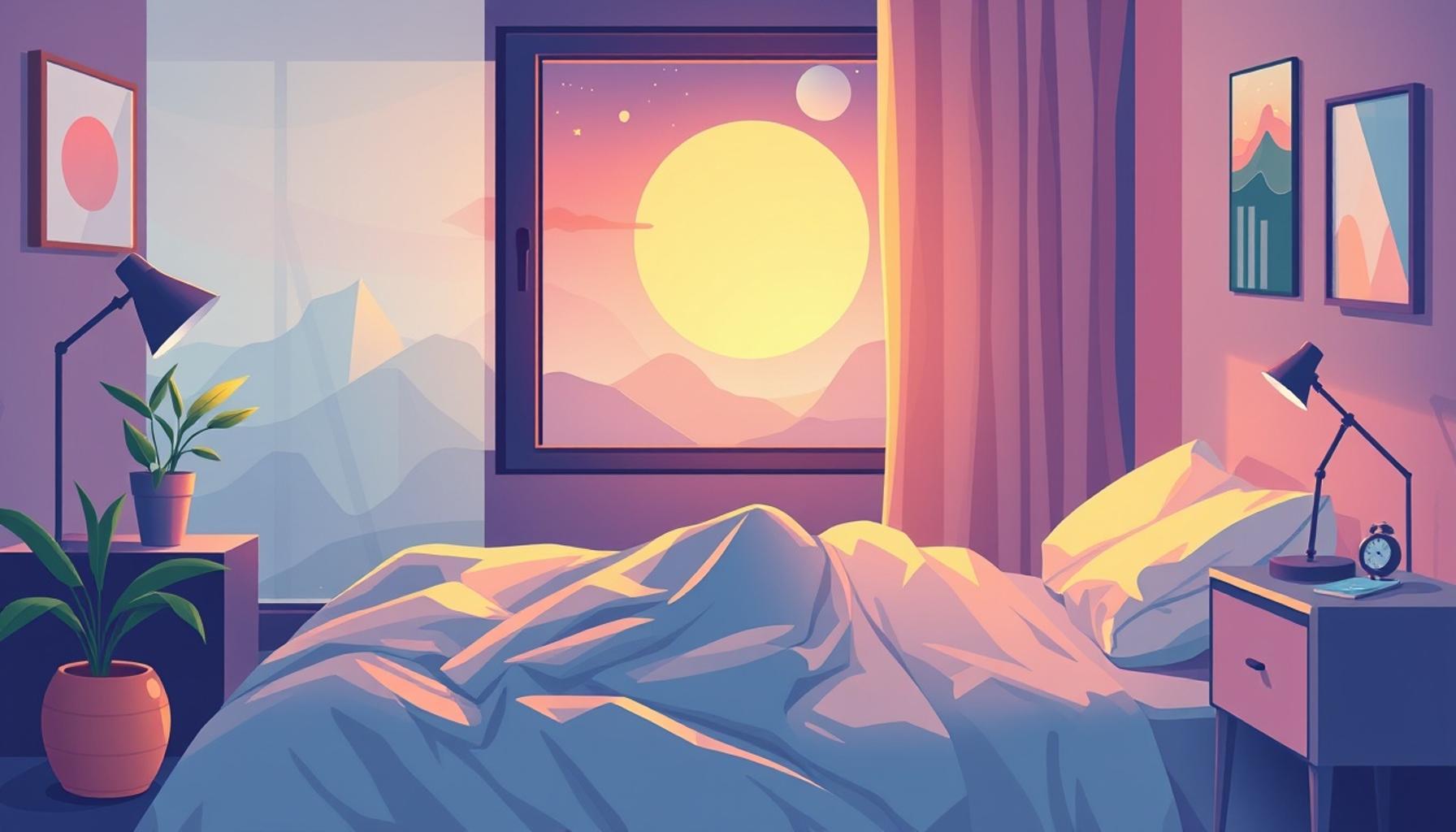
Natural light plays a pivotal role in regulating our sleep cycle. In today’s fast-paced world, many individuals are unaware of how crucial sun exposure is for maintaining healthy sleep hygiene. The relationship between light and our internal body clock, known as the circadian rhythm, is profound and worth exploring, especially when considering its implications for overall health and well-being.
Understanding Circadian Rhythm
The circadian rhythm is influenced by various factors, including:
- Natural Light: Sun exposure signals to the body when to be alert and when to rest. When the sun rises, it emits blue light, which is interpreted by our brains to indicate daytime, thus promoting alertness. Conversely, as the sun sets and the surroundings dim, our bodies receive cues that it’s time to wind down.
- Melatonin Production: The presence or absence of light plays a critical role in melatonin production. This hormone, often termed the “sleep hormone,” is released in response to darkness, helping to initiate sleep. Artificial lights late in the evening can confuse our systems, leading to delayed melatonin release and, ultimately, disrupted sleep.
- Seasonal Changes: Variations in daylight can impact sleep patterns throughout the year. Seasonal Affective Disorder (SAD) is a perfect example where reduced exposure to sunlight in winter months can result in mood swings and sleep issues. Studies have shown that increased exposure to natural light during winter can alleviate some symptoms of this condition.
Many individuals struggle with sleep disturbances, often without realizing that their sleep environment may lack sufficient sunlight. This lack of natural light can lead to a cascade of issues, including insomnia, fatigue, and a general feeling of malaise. Research suggests that integrating more sunlight into your daily routine might be a simple yet effective solution. For example, aiming to spend at least 30 minutes outdoors each day, especially in the morning, can help sync your internal clock and improve sleep quality.
Benefits of Sun Exposure
Consider these potential benefits of embracing natural light:
- Enhanced mood and mental clarity: Exposure to natural light increases the production of serotonin, a neurotransmitter associated with improved mood and focus. This is particularly beneficial in workplaces where employees may feel drowsy or less engaged without adequate sunlight.
- Improved sleep quality: A consistent intake of natural light during the day can lead to deeper, more restorative sleep cycles at night, which is essential for cognitive and physical recovery.
- Regulated emotional well-being: Natural light helps balance hormonal levels that influence emotions, making it a natural and effective way to manage feelings of anxiety and depression.
As you dive deeper into this fascinating topic, you will discover how simply stepping outside can serve as a powerful tool for better sleep hygiene. In a world filled with artificial lighting and chaotic schedules, the benefits of natural light may be the key to unlocking restful nights and brighter days.
DISCOVER MORE: Click here to learn about the social benefits of physical exercise
The Connection Between Natural Light and Sleep Hygiene
The significance of obtaining adequate sunlight is often underestimated, yet its effects on sleep hygiene are profound. A growing body of research connects the amount of sunlight one receives with improvements in sleep quality and regulation of the sleep cycle. As individuals spend more time indoors—bound to desks and screens—it becomes increasingly challenging to harness the benefits of natural light that are essential for a well-functioning circadian rhythm.
How Sunlight Influences Sleep Patterns
Natural light, particularly the blue light emitted by the sun, plays a pivotal role in the synchronization of our biology with the day-night cycle. The brain’s response to sunlight is multifaceted and can lead to several physiological changes. Here are some critical effects:
- Stimulation of Alertness: Exposure to morning sunlight activates the suprachiasmatic nucleus (SCN) in the brain, which serves as the primary regulator of our circadian rhythm. This stimulation helps to signal the body that it is time to be awake, enhancing alertness throughout the day.
- Melatonin Regulation: As mentioned earlier, melatonin plays a crucial role in sleep initiation. Regular exposure to sunlight during the day helps keep melatonin levels balanced. In contrast, limited sunlight can lead to insufficient melatonin production in the evening, making it difficult to fall asleep.
- Impact on Daytime Energy Levels: The quantity of natural light we absorb not only affects sleep at night but also influences how energized we feel during the day. Lack of sunlight can result in sluggishness and fatigue, leading to an unhealthy cycle of sleep disorders. In fact, studies have indicated that workplaces that maximize natural light see increased productivity and energy levels in employees.
Moreover, many people may not realize that sleep is not merely impacted by the duration of sunlight exposure but also its timing and intensity. In the summer, when the days are longer, the potential for exposure increases, which can contribute to better overall sleep patterns. As winter approaches, when sunlight is relatively scarce, it becomes even more critical to seize the moments of natural light available during those shorter days.
Integrating Natural Light into Daily Life
For individuals striving to improve their sleep hygiene, incorporating natural light into their daily routines may be the most straightforward solution. Here are several practical tips:
- Morning Sunlight: Aim for 30 minutes of direct sunlight exposure each morning. Open your curtains as soon as you wake up, or take a short walk outside. This routine assists in signaling to your body that it is time to be awake.
- Workplace Adjustments: If possible, adjust your workspace to maximize exposure to windows. Consider taking work breaks outside, even if just for a few minutes, to soak in the natural light.
- Limit Artificial Light: In the evening, minimize exposure to artificial light, especially blue light emitted from screens. This will help your body transition smoothly into a sleep-ready state.
As you explore the intricate relationship between natural light and sleep hygiene, consider the role of sun exposure as not only a means to improve sleep quality but also a vital component of overall physical and mental health. By embracing sunlight, you may unlock the potential for a more restorative sleep cycle and improved daytime vitality.
The Importance of Natural Light for Sleep Hygiene
Natural light plays a critical role in regulating our sleep cycles, primarily through its influence on our circadian rhythms. These internal biological clocks respond to light exposure, signaling our bodies when it is time to be awake and when it is time to rest. The presence of natural sunlight during the day is essential, as it helps to promote a healthy production of the hormone melatonin, which enables us to fall asleep more easily at night. Furthermore, studies have shown that individuals who receive adequate sunlight exposure tend to report better sleep quality and duration compared to those with limited light exposure. This connection is particularly important in today’s digital age, where artificial light sources can disrupt our natural sleep patterns. Incorporating more sunlight into your daily routine can be as simple as spending more time outdoors during the day. Activities such as walking, jogging, or simply enjoying time in a park can contribute to better sleep hygiene. For those who work indoors, consider optimizing your workspace to allow more natural light in—this could mean moving your desk closer to a window or using light-filtering blinds that still allow sunlight to pour in. By making the most of sun exposure, you can enhance not only your sleep hygiene but also your overall well-being. This simple yet effective method of utilizing natural light can play a vital role in establishing a more restorative sleep cycle, ensuring you wake up feeling refreshed and energized to face the day ahead.
| Category 1 | Category 2 |
|---|---|
| Natural Light Benefits | Enhances mood and alertness. |
| Circadian Rhythm Regulation | Improves melatonin production for better sleep. |
In addition to improving sleep quality, natural light exposure has also been linked to increased productivity, creativity, and even mental health. Embracing the sun’s rays provides us with essential vitamin D, which is known to support immune function and bone health. Hence, not only does sunlight influence when we sleep, but it significantly impacts our overall physical and mental health.
DIVE DEEPER: Click here for tips on staying active
Enhancing Sleep Hygiene Through Natural Light Exposure
The modern lifestyle, characterized by long hours in artificial environments, significantly impacts our connection to natural light. This disconnection can lead to an array of sleep-related issues, including insomnia and daytime fatigue. In contrast, understanding and utilizing natural light can be a powerful tool for improving sleep hygiene and promoting a healthier sleep cycle. Exploring the nuances of light exposure can help individuals make informed adjustments to their daily routines.
The Science Behind Light and Sleep
At the core of the relationship between sunlight and sleep lies the circadian rhythm, our body’s biological clock that operates on a roughly 24-hour cycle. This rhythm responds to various environmental cues, most notably light. When sunlight enters the eye, it triggers specific retinal cells, sending signals to the SCN, which then orchestrates the release of hormones that govern our sleep-wake cycle.
Research has shown that seasonal affective disorder (SAD) is a prime example of how the absence of sunlight can affect sleep and mood. Individuals with SAD often experience disruptions to their circadian rhythm during winter months when daylight hours are shorter. This underscores the importance of maximizing natural sunlight exposure during seasons when sunlight is less prevalent, offering a reminder to be proactive about managing light exposure.
Practical Approaches to Sunlight Integration
Embracing a lifestyle that values natural light can have far-reaching consequences for sleep hygiene. Here are additional strategies to enhance your exposure:
- Use Light Therapy: For those unable to access adequate sunlight during winter months, light therapy boxes that mimic natural sunlight can be beneficial. These devices can help alleviate symptoms of SAD and improve sleep quality by stimulating melatonin production when natural light is lacking.
- Outdoor Activities: Engage in outdoor activities, such as exercising or walking, preferably in the early parts of the day. Not only does physical activity promote better sleep, but exposure to natural light during these activities amplifies the health benefits.
- Align Your Routine: Consider adjusting your daily routine to align with natural light patterns. Creating a schedule where you wake up with the sun and wind down at sunset can harmonize your internal clock with the external environment.
Additionally, creating living and working environments that prioritize natural light can have significant impacts on well-being. >Studies have revealed that workplaces designed with ample windows and natural light can enhance employee well-being, leading to decreased stress levels and improved cognitive functions. Making similar adjustments at home, such as decluttering windows or choosing lighter curtains, can also allow more natural light to flood in, fostering a more restful atmosphere conducive to sleep.
The Interplay of Sunlight and Mental Well-being
It is also worth noting the psychological benefits of sunlight exposure. Being in natural light not only facilitates sleep hygiene but also helps alleviate symptoms of anxiety and depression. The influx of sunlight is known to increase levels of serotonin, a neurotransmitter that contributes to feelings of happiness and well-being, further underscoring why embracing natural light can be an effective tool for holistic health.
In summary, the dynamic influence of natural light on sleep hygiene underscores the need for individuals to cultivate habits that enhance sunlight exposure. By understanding the connection between light and sleep, and implementing tailored strategies, people can unlock the preventative potential for sleep disturbances and achieve more vibrant daily lives.
DISCOVER MORE: Click here to learn how to build a routine that works for you
Conclusion: Embracing Natural Light for Improved Sleep Hygiene
The relationship between natural light and sleep hygiene is a compelling testament to the power of our environment in shaping our well-being. By acknowledging the significant role sunlight plays in regulating our circadian rhythms, we can take proactive steps to enhance our sleep quality. From the integration of light therapy during darker months to the simple act of stepping outdoors for a morning walk, these strategies are easily accessible tools for most individuals seeking to improve their sleep health.
The impact of sun exposure extends beyond just the physical aspects of sleep; it also fosters mental wellness by boosting levels of vital neurotransmitters like serotonin. As we further explore these intricate connections, it becomes evident that embracing natural light can lead not only to better sleep but also to improved mood and overall vitality. In an era where access to sunlight may be limited by our indoor-centric lifestyles, cultivating habits that prioritize natural light can prove transformative.
Furthermore, as we reimagine our work and living spaces, designing them to allow for abundant sunlight can significantly uplift our daily experiences and health outcomes. Ultimately, understanding the intricate dance between natural light and sleep hygiene inspires us to rethink our routines, environment, and health practices. As you continue this journey toward enhanced well-being, consider how integrating sunlight into your life can be the key to unlocking a more restful and rejuvenated existence.
Related posts:
Strategies for Creating a Sleep-Friendly Environment: Sleep Hygiene Tips
The influence of ambient temperature on sleep hygiene: how the ideal climate can improve your nights...
The importance of sleep routine: how consistency improves your health
The relationship between physical exercise and sleep quality: how daily activity can influence your ...
Foods and drinks that affect sleep quality: how to make healthy choices
The impact of technology on sleep: how to minimize digital distractions before bedtime