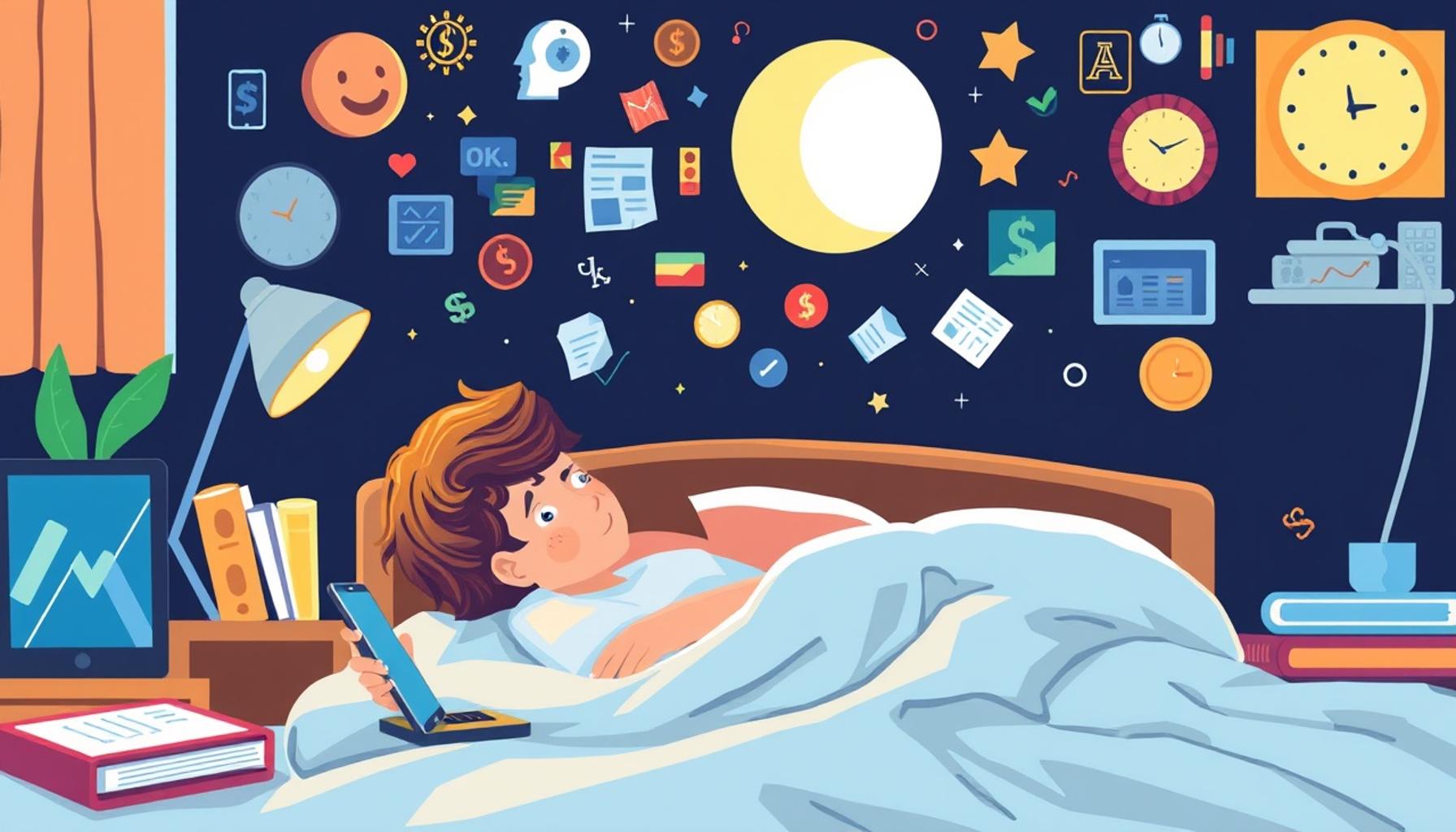
The influence of technology on sleep: how to reduce the use of electronic devices before bedtime
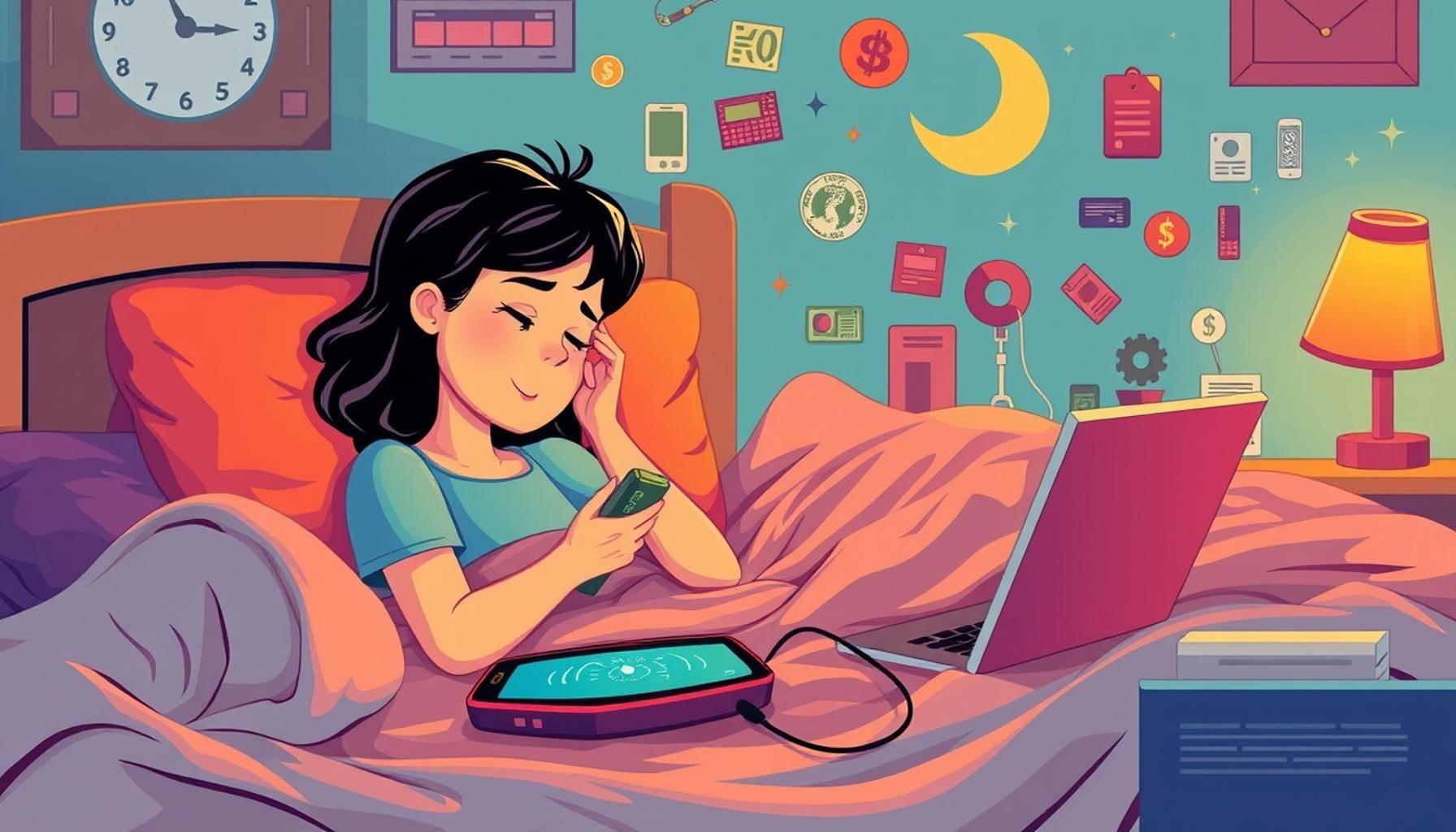
The Impact of Technology on Sleep Quality
As the sun sets and darkness envelops the day, many individuals find themselves drawn into the soft glow of screens. From smartphones to laptops, these electronic devices have become integral to our nightly routines, often at the expense of our sleep quality. With the average American spending over 11 hours a day on digital media, the influence of technology on our rest cannot be overlooked.
Several factors illustrate how technology can disrupt our natural sleep cycle:
- Blue light exposure: Screens emit a significant amount of blue light, which can inhibit the production of melatonin, the hormone responsible for facilitating sleep. Studies have shown that exposure to blue light before bed can delay sleep onset, leading to reduced overall sleep time. For instance, a study published in the Journal of Clinical Endocrinology & Metabolism found that participants exposed to blue light took longer to feel sleepy and produced less melatonin compared to those who were not.
- Cognitive stimulation: Engaging with content on social media or binge-watching a series can keep your mind active and alert, making it challenging to wind down. This cognitive arousal can lead to racing thoughts, which often prevent individuals from transitioning smoothly into a restful state. Research from the American Psychological Association indicates that the mental stimulation from such activities can remain long after the device is turned off, adding to the difficulty of falling asleep.
- Constant notifications: The barrage of alerts and messages can foster an environment of stress and anxiety, making relaxation elusive. Notifications have a way of intruding into personal time, provoking thoughts related to work or social interaction when all we might desire is peace. According to a study by the National Sleep Foundation, over 50% of respondents reported that notifications from their devices disrupted their sleep.
Understanding the effects of technology on sleep is crucial for maintaining overall health. Insufficient sleep is linked to various issues, including impaired cognitive function, increased anxiety, and even chronic health conditions such as obesity and cardiovascular disease. Thus, addressing technology’s impact on slumber is essential for long-term well-being.
Effective Strategies to Reduce Digital Distractions
So, how can one effectively reduce the use of electronic devices before bedtime? Below are some practical strategies to consider:
- Set a digital curfew: Aim to unplug at least one hour before bed. By creating this boundary, you allow your mind to relax and transition into a sleep-ready state. Many experts suggest designating a specific area in your home as a “tech-free zone” to enhance this practice.
- Create a bedtime ritual: Replace screen time with soothing activities such as reading a book, practicing yoga, or engaging in meditation. These activities promote relaxation and signal to your brain that it is time to prepare for sleep. The incorporation of calming scents like lavender can further enhance this ritual.
- Use blue light filters: If screens must be used, consider incorporating apps or settings designed to diminish blue light exposure. Options such as “Night Shift” on Apple devices or “Night Mode” on Android can help soften screen brightness, reducing its impact on melatonin production.
Delving deeper into these strategies can pave the way for healthier sleep habits and improved well-being. As we continue to navigate a world dominated by technology, making conscious choices about our digital consumption in the hours leading up to sleep is more important than ever. By prioritizing rest, we not only enhance our sleep quality but also promote a healthier, more balanced lifestyle.
LEARN MORE: Click here to discover how nutrition can balance your stress
Understanding the Impact of Technology on Sleep
To grasp the full extent of technology’s impact on sleep, it’s essential to consider how our modern lifestyles interact with our biological sleep needs. The rapid proliferation of digital devices has created a world where we are constantly connected, often at the expense of our nightly rest. Specifically, the influence of technology can be divided into three key areas: light exposure, cognitive engagement, and disrupted routines, each of which plays a significant role in sleep quality.
- Light exposure: The phenomenon of blue light emitted by screens alters our natural circadian rhythms. This type of light mimics daylight, tricking our brains into thinking it is still daytime. Research from the Harvard Health Publishing indicates that prolonged exposure to blue light in the evening can suppress melatonin for about three hours after screen time, pushing back our sleep schedule and resulting in less restorative sleep.
- Cognitive engagement: Engaging with content on social media or consuming stimulating material can keep the brain overly active. This can lead to an increase in stress and anxiety levels, which, as noted by the American Academy of Sleep Medicine, may cause insomnia or poor sleep quality. A study revealed that individuals who engaged in stimulating activities before bed had significantly more sleep disturbances.
- Disrupted routines: The convenience of digital devices often leads to irregular sleep patterns. Rather than maintaining a consistent bedtime, many people find themselves scrolling or watching videos well into the night. The National Sleep Foundation noted that irregular sleep schedules can lead to reduced total sleep time and detrimental effects on mood and cognitive function the following day.
Given these factors, it is clear that understanding the dynamics between technology and sleep is crucial. Technology’s effects are not merely about screen time; they intertwine with our biological processes and can lead to significant health repercussions. Chronic sleep deprivation can result in a host of issues ranging from impaired cognitive function to increased susceptibility to chronic health problems such as heart disease, diabetes, and obesity.
Recognizing the negative ramifications of technology use before bedtime is the first step toward establishing healthier sleep habits. However, knowing how to combat these potentially harmful practices is equally vital. With awareness comes the opportunity for positive change, leading to improved sleep quality and overall well-being.
Strategies for Reducing Digital Distractions
Transitioning to healthier sleep habits can begin with a few manageable strategies:
- Implement a digital sunset: Commit to shutting off all electronic devices at least an hour before bed. This not only helps reduce blue light exposure but also provides a break from the mental stimulation typically associated with screen time.
- Create a relaxing nighttime routine: Engage in calming activities like reading, journaling, or gentle stretching exercises. Creating a soothing environment can signal to your body that it’s time to unwind.
- Limit notifications: Turn off unnecessary notifications or enable Do Not Disturb mode in the evenings to avoid interruptions from incoming messages or alerts.
By being proactive about reducing technology use before bedtime, individuals can reclaim their nights and prioritize their health. Small, intentional changes can yield significant improvements in sleep quality, making it essential to embrace healthier habits in an increasingly digital world.
The Influence of Technology on Sleep: Adopting Healthier Habits
In today’s digital world, the pervasive influence of technology extends to every facet of our lives, including our sleep patterns. The blue light emitted from screens of smartphones, tablets, and laptops interferes with the production of *melatonin*, the hormone responsible for regulating sleep. As we delve deeper into this connection, it becomes imperative to cultivate healthier habits around technology, especially before bedtime.
Understanding Blue Light Effects
Studies reveal that exposure to blue light during the evening can signal our brains to remain alert, delaying sleep onset. Eliminating screen time at least one hour before bedtime can significantly improve sleep quality. Research suggests that engaging in relaxing activities such as reading a book, practicing meditation, or taking a warm bath can serve as effective alternatives.
Incorporating Mindful Technology Usage
Moreover, using tools like *night mode* settings on devices reduces blue light exposure. Many smartphones and tablets now come equipped with features that adjust screen warmth during nighttime hours, providing a more sleep-friendly environment. Furthermore, apps that remind users to take *digital detoxes* can help prioritize sleep over screen time.
The Role of Sleep Hygiene
Aside from managing device usage, implementing a bedtime routine can enhance sleep quality remarkably. Establishing a consistent sleep schedule by going to bed and waking up at the same time daily trains the body’s internal clock. To complement this routine, creating a comfortable sleep environment by dimming lights and keeping the bedroom cool and quiet can further increase the likelihood of quality rest.
Structured Table of Advantages
| Category | Key Features |
|---|---|
| Blue Light Exposure | Inhibits melatonin production, affecting sleep onset. |
| Digital Detox | Promotes better sleep hygiene and relaxation. |
These insights serve to stress the importance of mindful technology use, especially as we consider how to reduce electronic device usage before bedtime for enhanced sleep quality. Transformative changes are possible with just a few thoughtful adjustments to our routines. Exploring these alternatives could open up a new path to restful nights.
DISCOVER MORE: Click here to learn about the impact of social connections on your well-being
Establishing Boundaries with Technology
As we navigate an increasingly digital landscape, establishing clear boundaries around technology use is essential for promoting better sleep health. Numerous studies indicate that people who consciously limit their screen time in the hours leading up to sleep experience marked improvements in both the quality and duration of their rest. Here are further strategies that can make a tangible difference.
- Create a device-free zone: Designate your bedroom as a no-technology zone. This means keeping phones, tablets, and laptops outside the room while you sleep. A study published in the journal Sleep found that participants who removed electronic devices from their bedrooms experienced an average of more than an hour of extra sleep per night. This not only curtails the temptation to scroll and engage with devices but also fosters an environment conducive to relaxation.
- Utilize blue light filters: If you must use devices close to bedtime, consider employing blue light filters or screen dimmers. Most smartphones now come with built-in features to reduce blue light emission, presenting a practical solution. By adjusting screens to warmer tones in the evening, users can help mitigate the adverse effects of light exposure. Research from the National Institutes of Health shows that using these filters can assist in preserving melatonin levels that align with natural sleep cycles.
- Monitor media consumption: The type of media consumed can significantly impact sleep. Engaging with distressing news or intense dramas right before bed can leave your mind racing and anxious. A longitudinal study found that individuals watching violent or emotionally charged content before sleep reported poorer sleep quality. Instead, opt for calming podcasts, soothing music, or gentle guided meditations that are specifically designed to promote relaxation and aid in sleep.
Incorporating tech-free time into your evening routine can also cultivate healthier sleep habits. According to the Sleep Foundation, establishing a consistent wind-down period signals to your body that it’s almost time for rest. During this time, consider avoiding screens altogether and engaging in soothing offline activities like taking a warm bath or practicing mindfulness. These practices can effectively shift your focus from the digital world to the present moment, laying the groundwork for better sleep.
The Role of Sleep Hygiene
Sleep hygiene—the practice of promoting good sleep habits—plays a crucial role in mitigating the negative impacts of technology on sleep. Improving sleep hygiene can create an optimal environment for restful sleep, counteracting the effects of technology. Here are effective methods to enhance sleep hygiene:
- Maintain a consistent sleep schedule: Going to bed and waking up at consistent times, even on weekends, can greatly improve sleep quality. The American Sleep Association suggests that a regular sleep routine supports your body’s internal clock, making it easier to fall asleep and stay asleep.
- Optimize your sleep environment: Creating a comfortable sleep setting is vital. This involves ensuring a dark, quiet, and cool room, using blackout curtains, eye masks, or white noise machines to minimize disruptions that could interfere with sleep.
- Be mindful of what you consume: The foods and beverages consumed in the evening can also influence sleep. Avoiding caffeine and heavy meals in the hours leading up to bedtime can minimize sleep disturbances and improve overall sleep quality.
By consciously shifting focus away from devices and fostering healthier bedtime practices, individuals can take proactive steps towards improving their sleep quality. The direct correlation between technology use and sleep disturbances highlights the necessity of a balanced approach in our connected lives. With a better understanding of how to create an environment conducive to rest, anyone can enhance their sleep habits and improve their overall well-being.
DISCOVER MORE: Click here to learn how technology can elevate your workouts
Conclusion: Embracing Restful Sleep in a Digital World
In a world where technology has pervaded every aspect of our lives, understanding its profound influence on sleep is more critical than ever. The evidence is compelling: excessive screen time, especially before bedtime, is linked to poorer sleep quality and reduced duration. By effectively reducing the use of electronic devices and being mindful of our overall sleep hygiene, we can significantly enhance our nightly rest.
Implementing practical strategies, such as designating a device-free zone or adopting blue light filters, fosters an environment ripe for relaxation. The benefits of minimizing media consumption before bed—opting for serene sounds or calming activities—cannot be overstated. Furthermore, maintaining a consistent sleep schedule and optimizing our sleep environment creates the ideal conditions for restorative sleep, allowing us to awaken refreshed and ready to tackle the day ahead.
As individuals, we hold the power to reclaim our nights and prioritize our health. The intersection of technology and sleep demands a nuanced approach, where balance is key. As American society continues to embrace technological advancements, recognizing their impact on our sleep is imperative. Therefore, taking actionable steps to limit distractions and enhance our rest not only boosts our overall well-being but also paves the way for a healthier relationship with technology.
Exploring these practical solutions and committing to better sleep habits is essential. The journey towards restful sleep begins with awareness and conscious choices—an investment that pays dividends in our daily lives.
Related posts:
The influence of natural light on sleep hygiene: how sun exposure can regulate your sleep cycle
Foods and drinks that affect sleep quality: how to make healthy choices
The impact of technology on sleep: how to minimize digital distractions before bedtime
The effects of stress on sleep hygiene: strategies for restorative rest
The importance of sleep routine: how consistency improves your health
Relaxation Techniques to Improve Sleep Quality: Practices You Can Adopt

Beatriz Johnson is a seasoned puzzle enthusiast and writer with a passion for unraveling the complexities of mind games and brain teasers. With over a decade of experience in the world of puzzles, she specializes in topics like logic games, riddles, and strategic challenges. Through her work, Beatriz empowers readers to sharpen their problem-solving skills, think creatively, and stay engaged in the ever-evolving landscape of mind games and puzzles.