
The Role of Mind Games in Enhancing Problem-Solving Skills in Children
The Importance of Problem-Solving Skills
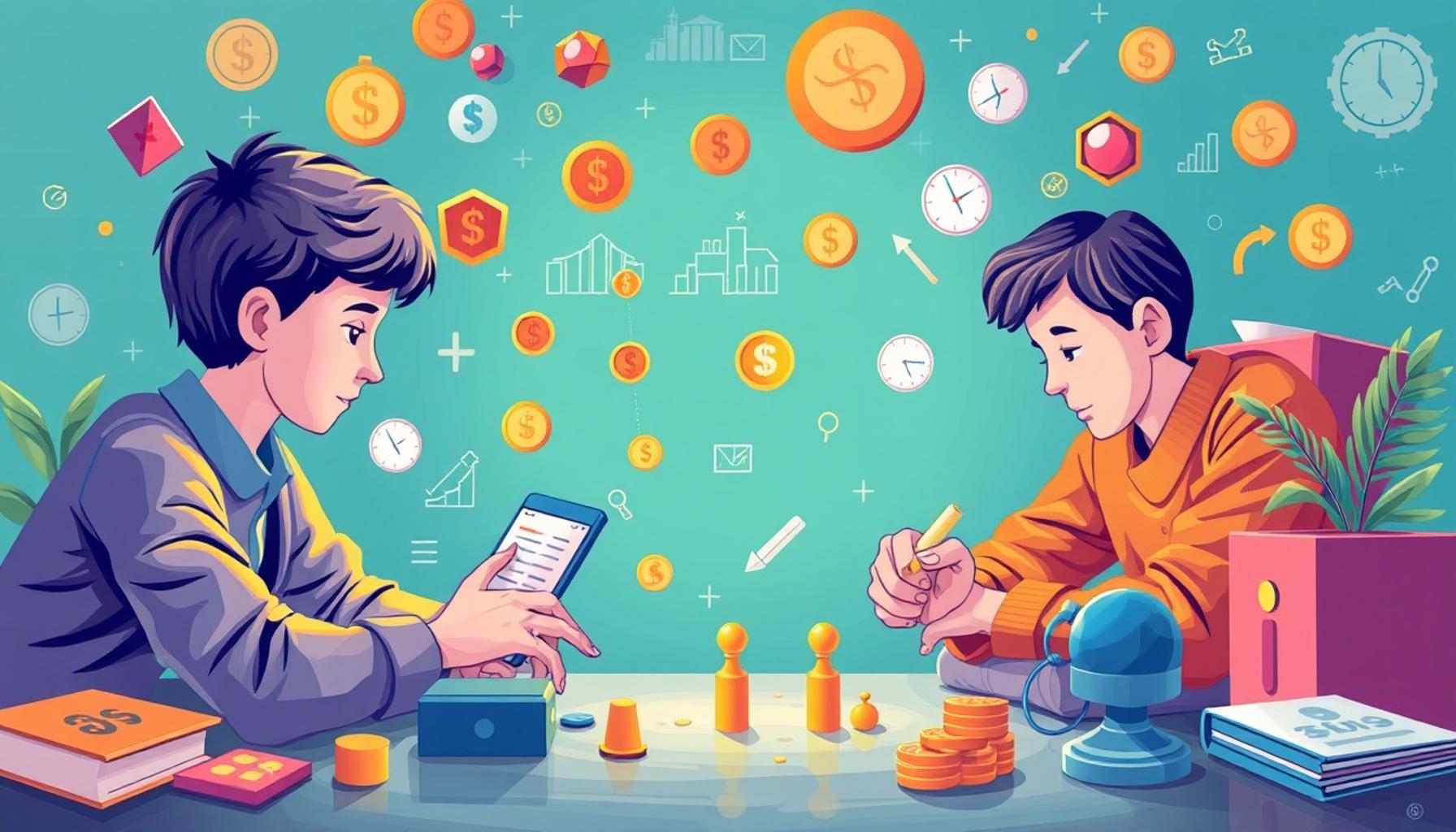
In today’s fast-paced and complex world, the ability to effectively solve problems is a skill that children must acquire early on. Fostering problem-solving skills in children has become essential, with implications not just in academic settings but also in real-world situations. Engaging children in mind games represents a potent avenue for enhancing these capabilities, providing a blend of fun and intellectual challenge that can significantly boost cognitive development.
Puzzles: Engaging the Analytical Mind
Puzzles, whether they are jigsaw puzzles, crossword puzzles, or logic puzzles, serve as classic tools that stimulate logical reasoning and analytical thinking. For instance, completing a jigsaw puzzle requires children to analyze shapes, colors, and spatial relationships to see how pieces fit together, enhancing their visual-spatial intelligence. As they progress from simpler puzzles to more complex designs, they develop resilience in problem-solving, learning to approach challenges incrementally.
Strategy Games: Learning Through Play
Board games, particularly strategy games like chess or Risk, play a vital role in teaching children about planning and foresight. For example, a game of chess requires players to think several moves ahead, consider potential outcomes, and adapt strategies based on their opponent’s actions. Research indicates that children who frequently engage in such games may exhibit improved decision-making skills and higher academic performance, especially in subjects like mathematics. These games often foster a competitive spirit while simultaneously emphasizing the importance of ethics and sportsmanship.
Memory Games: Sharpening Retention Skills
Memory games, such as matching cards or Simon Says, engage children’s attention and help improve their retention and attention to detail. By consistently practicing these games, children learn to focus and remember information effectively. This enhanced memory can lead to better performance in school, particularly when learning new concepts or preparing for tests. Not only do these games enhance cognitive functions, but they also create opportunities for social interaction, allowing children to build relationships while competing or collaborating.
Extensive research suggests that children involved in mind games tend to outperform their peers in several academic areas, particularly in critical thinking and problem-solving proficiency. Engaging in these activities cultivates essential social abilities such as teamwork and communication, vital in collaborative learning environments.

Understanding the role of mind games in child development encourages parents and educators to prioritize the integration of such activities into daily routines. This can transform ordinary family game nights or classroom activities into enriching experiences that nurture exploration and creativity. As society continues to evolve, the skills acquired from these playful yet challenging endeavors will undoubtedly become increasingly relevant in navigating the complexities of the modern world.
In conclusion, by recognizing and championing the value of mind games, we can pave the way for a generation better equipped to tackle challenges, think critically, and innovate new solutions. The future of education may just depend on our ability to make learning as engaging as it is enlightening.
DISCOVER MORE: Click here to learn about the impact of logic games
Unleashing Cognitive Potential Through Mind Games
The modern educational landscape emphasizes the need for children to develop strong problem-solving skills that can carry them through life’s challenges. Mind games serve as an innovative approach to achieving this objective. By engaging children in a range of activities that challenge their thinking, these games help cultivate skills necessary for navigating complex situations, both academically and personally. The following sections will delve into specific categories of mind games and their unique contributions to enhancing problem-solving abilities in children.
Cognitive Development via Word Games
Word games such as Scrabble, Boggle, or even online crossword puzzles provide an engaging platform for children to develop critical thinking and language skills. By competing to form words or solve linguistic challenges, children boost their vocabulary while enhancing their verbal reasoning abilities. For instance, in Scrabble, players must consider the placement of letters, evaluate possible words, and strategize to maximize their points—all of which engage various facets of cognitive development. Studies show that children who frequently participate in word games demonstrate improved reading comprehension and a greater appreciation for literature.
Math Games: Building Numerical Acumen
Mathematical mind games, including Sudoku, Math Bingo, and logic puzzles, pave the way for children to sharpen their numerical reasoning and problem-solving strategies. These games encourage kids to think outside the box, as they often require creative solutions to seemingly simple problems. For example, Sudoku challenges players to utilize deductive reasoning to place numbers in such a way that each row, column, and region is unique. The skills acquired through these mathematical challenges translate into greater confidence and competence in real-life financial situations, such as budgeting and organizational skills.
Outdoor Games: Enhancing Teamwork and Strategy
Mind games need not be confined to board games or electronic devices. Outdoor games such as scavenger hunts, capture the flag, or strategy-based sports can also hone children’s problem-solving abilities in a physical context. These activities foster teamwork and communication, urging children to collaborate and navigate challenges together. For example, during a scavenger hunt, participants must design a plan to locate items efficiently, often employing their problem-solving skills to adapt to new information or obstacles. This blend of physical activity and mental engagement not only promotes fitness but also cements critical social skills.
- Puzzles: Enhance logical reasoning and spatial awareness.
- Strategy Games: Foster foresight and adaptable thinking.
- Memory Games: Sharpen retention and attention to detail.
- Word Games: Expand vocabulary and verbal reasoning.
- Math Games: Build numerical skills and creative problem-solving.
- Outdoor Games: Encourage teamwork and strategic planning.
In summary, integrating a diverse array of mind games into children’s lives can lead to significant improvements in their problem-solving skills. These activities not only engage young minds but also provide a robust platform for essential cognitive and social development. Through play, children learn to think critically, work collaboratively, and adapt to evolving challenges—skills that are crucial for their future success. With ongoing support from parents and educators, fostering a culture rich in mind games can have lasting positive impacts on children’s growth and development.
The Educational Value of Mind Games
Mind games serve not only as a form of entertainment but also as a powerful tool for educational enhancement in children. Engaging in various mind games, such as puzzles, strategy-based board games, and logic challenges, promotes cognitive development and sharpens critical thinking skills. The complex nature of these games encourages children to analyze situations, recognize patterns, and devise effective strategies. This is crucial for their overall growth and helps lay a strong foundation for future learning and problem-solving.Moreover, mind games offer a safe environment for children to make mistakes and learn from them. With each game, they encounter different challenges that require innovative thinking to overcome. Such repeated exposure teaches resilience and adaptability—key traits necessary for navigating real-life problems. Research indicates that children who regularly engage in mind games can develop a more creative approach to problem-solving, as they learn to think outside the box and generate multiple solutions to the same issue.
Enhancing Social Skills Through Cooperative Gameplay
In addition to fostering cognitive skills, mind games can significantly enhance children’s social capabilities. Collaborative games, where children work together to achieve a common goal, promote teamwork and communication. As they navigate challenges together, children discuss strategies, negotiate roles, and support one another, laying the groundwork for vital interpersonal skills. These interactions help develop empathy, as children learn to understand different perspectives within the context of the game.Engaging in mind games also bolsters emotional intelligence. By experiencing victories and defeats, children learn to manage their emotions, celebrate collective achievements, and offer support during setbacks. This understanding of emotional dynamics prepares them for future social interactions and challenges within educational settings and beyond.In summary, mind games are not only beneficial for enhancing problem-solving skills but also cultivate essential cognitive and social abilities. Encouraging children to participate in these activities can generate a stimulating and supportive environment that fosters holistic development.
DIVE DEEPER: Click here to discover how puzzles can enhance your productivity
Exploring the Multifaceted Benefits of Mind Games
As children navigate their formative years, engaging with mind games can yield a plethora of benefits that extend beyond mere entertainment. These games present unique opportunities for children to develop not only problem-solving skills but also emotional intelligence, resilience, and creativity. Each category of games contributes distinct advantages, molding young minds to face both academic challenges and social interactions with confidence.
Creative Freedom through Art and Craft Games
Games that involve art, such as treasure map creation or LEGO building challenges, allow children to tap into their creativity while also developing their problem-solving skills. These hands-on activities require children to visualize and design solutions to open-ended problems, boosting their ability to think critically. Research suggests that engaging in arts and crafts can also improve fine motor skills and enhance brain connectivity. Such games encourage children to express their thoughts and feelings, developing a deeper understanding of their own emotions and stimulating innovative thinking. Moreover, the trial-and-error nature of these activities fosters a sense of resilience, as children learn to navigate failures and persist until they find a solution.
Simulation and Role-Playing Games for Real-Life Scenarios
Role-playing games (RPGs) and simulation games like SimCity or Dungeons & Dragons provide children with immersive experiences where they can practice decision-making in complex scenarios. By stepping into different characters and situations, children learn to evaluate consequences, anticipate outcomes, and strategize accordingly. These interactions not only enhance their problem-solving skills but also promote empathy and social awareness. For instance, RPGs require players to collaborate with others, fostering an understanding of different perspectives and approaches to problem-solving. This skill set becomes essential as they transition from childhood into adulthood, where teamwork and collaboration are often critical to success.
Mindfulness Games for Improved Focus and Clarity
Incorporating mindfulness-based mind games into children’s routines can significantly enhance their cognitive abilities. Games that emphasize concentration, like “Simon Says” or memory matching cards, sharpen focus and attention to detail—two essential elements of effective problem-solving. With rising concerns about attention disorders in children, these games provide a constructive outlet to cultivate mindfulness, ultimately guiding children toward better emotional regulation and stress management. Studies indicate that practicing mindfulness not only supports cognitive functioning but also enables children to approach challenges calmly and methodically, reducing impulsivity in their decision-making processes.
Technology-Enhanced Mind Games: Bridging Gaps in Learning
As technology continues to evolve, digital mind games and educational apps have become a staple in many households. These platforms offer interactive environments that adapt to the individual learning pace of each child. Games such as Minecraft or math-focused apps like Prodigy provide immediate feedback, encouraging users to recalibrate their problem-solving strategies in real time. Recent data indicates that children who engage in tech-driven mind games often demonstrate an increased aptitude for computational thinking—skills that are becoming increasingly valuable in a digitally dependent world.
- Art and Craft Games: Foster creativity, resilience, and motor skills.
- Role-Playing Games: Enhance empathy, collaborative problem-solving, and perspective-taking.
- Mindfulness Games: Improve focus, emotional regulation, and decision-making skills.
- Technology-Enhanced Games: Support individualized learning and computational thinking development.
The incorporation of diverse mind games into a child’s daily routine serves as a vital encouragement for their cognitive, emotional, and social development. As children immerse themselves in various forms of play, they equip themselves with critical tools for navigating the complexities of life, enabling them to emerge as thoughtful problem-solvers, ready to tackle future challenges. The journey toward mastering these skills begins with the fun and engaging world of mind games.
DIVE DEEPER: Click here to discover the impact of escape rooms on teamwork
Conclusion: Empowering Future Innovators through Play
In summary, the significance of mind games in enhancing a child’s problem-solving skills cannot be overstated. As outlined, various categories of games—from creative arts and crafts to immersive role-playing and mindful practices—offer versatile pathways for children to develop critical skills that will serve them throughout their lives. These games not only fortify cognitive abilities but also build emotional intelligence, resilience, and social awareness, essential traits in today’s interconnected world.
With the rapid technological advancements seen in educational platforms, the opportunity for children to engage with technology-enhanced mind games further enriches their learning experiences, fostering a generation that is adept in computational thinking and innovative problem-solving strategies. As parents and educators, embracing these diverse forms of play can lead to enhanced learning outcomes, transforming ordinary moments into powerful developmental opportunities.
The role of these games in children’s lives transcends simple entertainment, establishing a vital foundation for their future as creative, collaborative, and empathetic individuals. By introducing mind games into daily routines, we equip children with the necessary tools to navigate life’s challenges, emerging not only as effective problem solvers but also as engaged and mindful participants in a complex world. As we continue to explore the endless possibilities of play, we unlock a treasure trove of potential in our young innovators, ultimately shaping a brighter future for generations to come.
Related posts:
Cognitive Benefits of Puzzle Solving Across Different Age Groups
How Mind Games Foster Creative Thinking and Cognitive Flexibility
Exploring the Connection Between Sudoku and Mathematical Reasoning in Teenagers
The Impact of Logic Puzzles on Problem-Solving Skills in Children
The Role of Video Games in Enhancing Attention and Focus in Middle School Students
Evaluating the Benefits of Memory Games on Cognitive Aging in Seniors

Linda Carter is a writer and puzzle expert specializing in mind games, brain teasers, and cognitive challenges. With extensive experience helping individuals enhance their problem-solving skills and think critically, Linda shares her knowledge on our platform. Her goal is to empower readers with practical advice, engaging puzzles, and strategies to sharpen their minds and achieve success in the captivating world of mind games and puzzles.