
Mindfulness Techniques for Stress Reduction in Daily Life

Finding Calm Amidst the Turmoil
In the relentless whirlwind of modern life, stress has infiltrated daily routines for many. The pressures of balancing demanding jobs, family responsibilities, and social commitments can leave people feeling mentally exhausted and overwhelmed. However, there is a silver lining: by integrating mindfulness techniques into your daily activities, you can discover pathways to tranquility and emotional stability.
At its core, mindfulness is the practice of anchoring your attention in the present moment. It encourages individuals to step away from distracting thoughts and worries about the future or past, leading to numerous psychological and physical benefits. Here are some practical techniques that can serve as your guide on this journey:
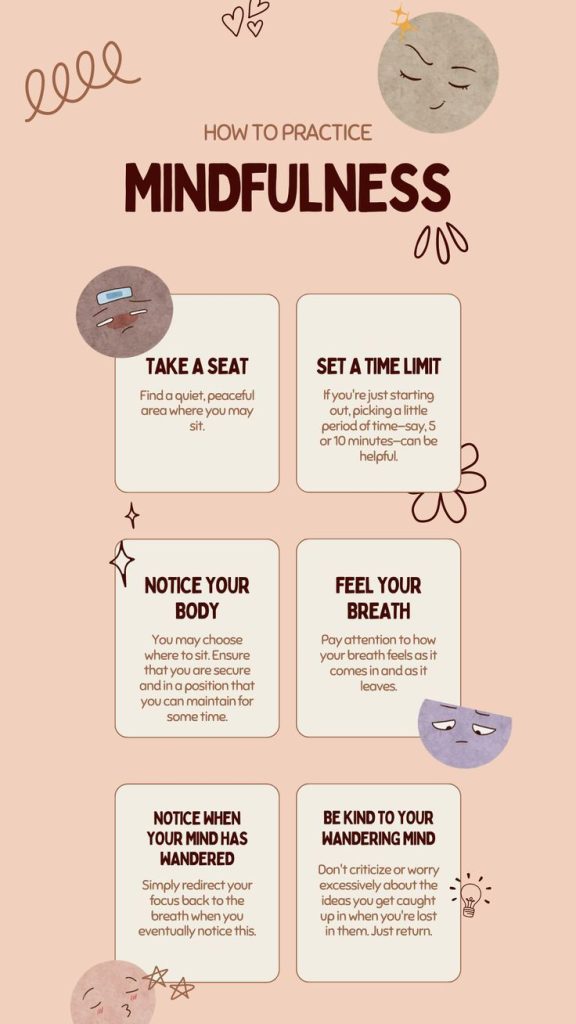
- Breathing exercises: Take a moment to focus solely on your breath. Deep, intentional breaths can not only center your thoughts but also help to diminish feelings of anxiety. Techniques like the 4-7-8 method, where you inhale for four seconds, hold your breath for seven seconds, and exhale for eight seconds, can be particularly effective.
- Body scan meditation: This practice involves mentally scanning your body from head to toe, paying attention to areas of tension. By observing bodily sensations without judgment, you can cultivate a greater awareness and ultimately release pent-up stress, allowing for a more profound sense of relaxation.
- Mindful walking: Connect with your immediate environment by paying attention to each step you take. Whether it’s a stroll through a local park or a walk around your neighborhood, being fully present during these moments can enhance your appreciation of the world around you, reducing stress in the process.
Engaging in these practices does more than just promote relaxation; they significantly transform how you manage daily stressors. By nurturing a mindful approach, individuals can develop resilience and improve their overall well-being. Research indicates that regular mindfulness practices can lead to a reduction in cortisol levels—the hormone associated with stress—while simultaneously enhancing emotional regulation.
The journey of incorporating mindfulness techniques into your life may seem challenging at first, but the long-term benefits are profound. Even simple changes—such as setting aside five minutes each day for a mindfulness exercise—can lead to improved focus and emotional balance. As you explore the multitude of mindfulness strategies available, you may discover the art of being present has the power to enrich your life beyond measure, liberating you from the clutches of chronic stress.
In a world that often feels chaotic, finding those moments of peace becomes essential. By embracing mindfulness, you can cultivate a deeper connection with yourself and the environment around you. As you delve deeper into this transformative practice, the potential for a more serene and fulfilling life awaits at your fingertips.
DISCOVER MORE: Click here to learn how to improve your sleep
Incorporating Mindfulness into Your Routine
As you embark on your mindfulness journey, it’s essential to understand that these techniques can seamlessly fit into your existing daily routines. The beauty of mindfulness lies in its accessibility; anyone can practice it, regardless of their level of experience. Here, we explore several practical applications of mindfulness techniques that you can integrate throughout your day to reduce stress effectively.
- Mornings with Intention: The way you start your day can set the tone for subsequent hours. Consider beginning each morning with a few moments of silence. As you wake, take a moment to observe your breath and express gratitude for the new day ahead. This practice can create a sense of calm and purpose as you transition into your daily activities.
- Mindful Eating: Transform your meals into opportunities for mindfulness. Rather than eating in front of the television or while scrolling through your phone, choose to savor each bite. Focus on the flavors, textures, and aromas of your food. By appreciating your meals without distractions, you develop a greater awareness of your eating habits and promote healthier choices, ultimately alleviating stress related to food and body image.
- Mindfulness during Commutes: For many individuals, commuting is a significant source of stress. Instead of letting frustrations dominate your travel time, utilize this period for mindfulness. If you’re driving, concentrate on the sensation of the steering wheel or the sounds of the engine. If you’re on public transportation, practice deep breathing or listen to guided mindfulness meditations through headphones. This shift in focus can transform your commute into a calming experience.
Beyond these specific instances, engaging in mindfulness practices can improve not just your mental health but also physical well-being. Research has shown that mindfulness can enhance immune function, lower blood pressure, and improve sleep quality—each crucial factors in managing stress. According to a study published in the journal Psychological Science, individuals who practice mindfulness regularly report reduced anxiety levels and pleasure from everyday activities.
Furthermore, the versatility of mindfulness means it can be adapted to nearly any aspect of life—from work settings to personal interactions. For example, during work meetings, try to practice active listening without immediately formulating your response. By focusing fully on the speaker, you’ll foster deeper connections and help reduce workplace stress and miscommunication.
By implementing these mindfulness techniques into your daily life, you may find that stress becomes easier to manage. The key is consistency and the willingness to embrace the present moment. As you begin to prioritize these practices, the cumulative effects can lead to a more centered, balanced life. The next stage of your mindfulness adventure involves delving deeper into even more specific techniques. Let’s explore how to cultivate this powerful practice further.
Mindfulness Techniques for Stress Reduction in Daily Life
In our fast-paced world, embracing mindfulness techniques can profoundly influence our daily lives. These approaches not only alleviate stress but also foster a healthier mental state, creating a ripple effect that enhances overall well-being. Here are some effective techniques that can be seamlessly integrated into daily routines:
| Mindfulness Technique | Benefits |
|---|---|
| Meditation | Improves concentration and relaxation, lowering stress levels significantly. |
| Breathing Exercises | Increases oxygen flow to the brain, allowing for clearer thinking and emotional regulation. |
| Mindful Walking | Connects body and mind, promoting a sense of peace and grounding during stressful moments. |
| Journaling | Facilitates self-reflection, helping to resolve emotional disturbances linked to stress. |
By incorporating these mindfulness techniques into daily life, individuals can actively combat stress and cultivate a more serene existence. Engaging consistently with these practices allows for greater emotional resilience, enabling a clearer perspective on challenges. These methods not only enhance well-being but also equip individuals with tools to manage stress more effectively, potentially leading to improved relationships and productivity. As you explore these mindfulness practices, remember to observe your progress and adapt them to fit your lifestyle. You may be surprised at the positive shifts that occur.
DIVE DEEPER: Click here to discover more
Deepening Your Mindfulness Practice
As you continue to weave mindfulness into your everyday life, consider exploring deeper techniques that can profoundly impact your stress levels and overall well-being. The following practices refine your mindfulness approach, helping you strengthen your mental resilience and providing you with tools to navigate life’s challenges.
- Body Scan Meditation: This technique is a powerful way to release tension and reconnect with your physical self. To practice a body scan, find a quiet space and either sit or lie down comfortably. Begin by turning your attention to your toes, noticing any sensations without judgment. Gradually work your way up through your body, focusing on each area and releasing any tightness or discomfort. This practice not only increases body awareness but also promotes relaxation, making it an excellent antidote to stress.
- Mindful Walking: Walking can transcend mere physical activity; when approached with mindfulness, it transforms into a meditative practice. Choose a serene location—perhaps a park or quiet pathway—and as you walk, pay attention to each step, the rhythm of your breath, and the sensations in your feet. Observe your surroundings—the rustling leaves, the colors, and the sounds around you. Mindful walking offers a unique blend of movement and meditation, refreshing your mind and reducing anxiety.
- Journaling with Mindfulness: Writing can serve as a therapeutic outlet for processing emotions. Set aside a few minutes each day to engage in mindfulness journaling. Reflect on your feelings, thoughts, and experiences, while practicing non-judgment and self-compassion. You may choose to write about your gratitude or even document your encounters with fear or stress. This technique helps in clarifying thoughts and fostering emotional release, enabling you to handle life’s pressures better.
Incorporating these advanced techniques not only elevates your practice but can also drastically improve your overall mental landscape. A study published in the journal Health Psychology revealed that participants who engaged in regular mindfulness practices demonstrated lower cortisol levels, the stress hormone, indicating a physiological response to mindfulness that supports its mental health benefits.
Another aspect of mindfulness is the cultivation of compassion—both for yourself and others. Practicing compassion meditation involves focusing on sending goodwill to yourself and then extending it outward to loved ones, acquaintances, and even those you may find challenging. This practice enhances emotional awareness and fosters connections, alleviating feelings of isolation often associated with stress.
Utilizing technology can also enhance your mindfulness journey. Many apps and online resources offer guided meditations, mindfulness exercises, and reminders to practice throughout your day. Apps like Headspace or Calm allow you to personalize your experience by selecting sessions tailored to specific goals, such as reducing anxiety or improving focus. This accessibility enables individuals to engage in mindfulness at their pace, making it easier to find moments of calm amidst life’s busyness.
Lastly, don’t overlook the power of community in your mindfulness journey. Joining a local meditation group or participating in workshops can provide a supportive environment to share experiences and learn from others. Engaging with like-minded individuals fosters a sense of belonging, which is essential for emotional well-being and stress reduction.
As you delve into these extended techniques, remember that mindfulness is a practice, not a destination. Embracing the journey is where the true transformations lie, helping you cultivate a more resilient and grounded life.
LEARN MORE: Click here for tips on reducing screen time before bed
Conclusion: Embracing Mindfulness for a Stress-Free Life
In today’s fast-paced world, the importance of mindfulness techniques for stress reduction cannot be overstated. By integrating practices like body scan meditation, mindful walking, and mindfulness journaling into your daily routine, you can establish a profound connection with your thoughts and feelings. These techniques serve not merely as stress relief tools but as gateways to enhancing self-awareness and emotional intelligence.
As highlighted in research, engaging in regular mindfulness practices can lead to significant physiological changes, such as lower cortisol levels, that positively influence mental health. However, the journey towards mindfulness is also about cultivating compassion—first for yourself, and then extending that compassion outward. This element of mindfulness fosters connections that are essential for emotional well-being, combating the isolation that stress often brings.
Additionally, technology offers accessible resources that make mindfulness practices more convenient than ever. Meditation apps can help tailor your mindfulness efforts to specific needs, allowing you to practice at your own pace and integrate mindfulness seamlessly into your lifestyle.
Ultimately, the journey to mastering mindfulness techniques is ongoing. It requires dedication and a genuine commitment to self-care. By fostering a sense of community through local meditation groups or workshops, you can enrich this voyage. Embracing mindfulness can transform your mental landscape, leading to a more resilient and centered approach to life’s challenges. So take the first step today—your mind and body will thank you.
Related posts:
The role of physical activity in stress reduction and the promotion of well-being
How Quality Sleep Can Help Reduce Stress
The Impact of Nutrition on Stress Management: Eating for a Calmer Mind
The importance of meditation in daily stress management
The Role of Mindfulness Meditation in Stress Reduction
Building a Support System: Social Connections as a Stress Reliever

Beatriz Johnson is a seasoned wellness coach and writer with a passion for simplifying the principles of holistic health and balanced living. With over a decade of experience in the wellness industry, she specializes in topics like mindful nutrition, sustainable fitness routines, and mental well-being strategies. Through her work on our website, Beatriz empowers readers to make informed lifestyle choices and cultivate habits that promote lasting harmony in their daily lives.